

Dis . 17, 2025 11:27 Kembali kepada senarai
Rutile titanium dioxide scatters light effectively
In the vast landscape of industrial materials, few substances match the versatility and indispensability of titanium dioxide (TiO₂). As a cornerstone white pigment, its performance is critically determined by its crystalline form. Among these, rutile titanium dioxide stands as the premium benchmark, prized for its superior optical properties, exceptional durability, and wide-ranging applications. This advanced polymorph of TiO₂, characterized by a denser, more stable crystal lattice, is the material of choice for demanding environments where brilliance, opacity, and longevity are non-negotiable. For manufacturers seeking reliable performance, the choice between anatase and rutile TiO₂ is fundamental, impacting everything from product formulation to final quality. This article delves into the world of tio2 rutile, exploring its unique advantages, applications, and the enterprise expertise required to produce this essential material.
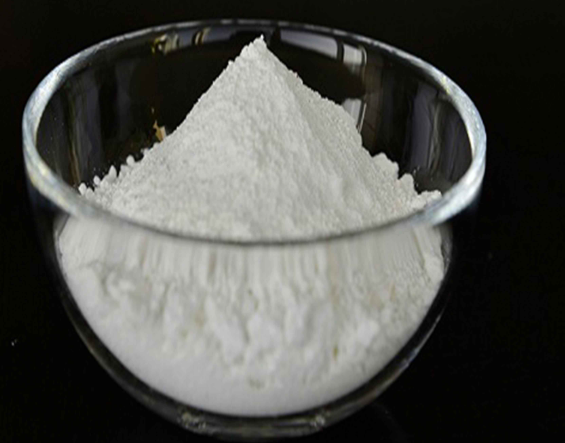
Understanding the Fundamental Advantages of Rutile Titanium Dioxide
Rutile titanium dioxide is not merely a pigment; it is an engineered performance material. Its superiority stems from its intrinsic physical and chemical properties. Structurally, it possesses a higher refractive index than its anatase counterpart, which translates directly to greater hiding power and tinting strength—meaning less product is required to achieve a brilliant, opaque white. Furthermore, tio2 rutile exhibits significantly better weather resistance and stability. Its crystal structure is less photocatalytically active, making it far more resistant to degradation under ultraviolet (UV) light, a critical factor for outdoor applications in coatings and plastics. This combination of exceptional optical performance and formidable durability solidifies its status as the high-grade option across numerous industries, from automotive finishes to architectural coatings.
Decoding the Performance Difference Between Anatase and Rutile TiO₂
The selection of anatase and rutile TiO₂ is a strategic decision based on application-specific needs. While both are forms of titanium dioxide, their differing crystal structures lead to distinct performance profiles. Anatase-type TiO₂ is generally softer and has higher photocatalytic activity. This makes it suitable for certain indoor applications but limits its use in exteriors where UV resistance is crucial. In contrast, rutile titanium dioxide is harder, more chemically inert, and provides superior chalk resistance and gloss retention in weathered conditions. For instance, in the rubber industry, while anatase may be used generally, a blend incorporating tio2 rutile is essential for products like automotive tires to enhance their anti-ozone and anti-UV capabilities. Understanding this distinction is key to formulating products that are not only effective upon manufacture but also enduring in real-world use.
The Expansive Industrial Applications of Premium Tio2 Rutile
The utility of premium tio2 rutile extends across the entire spectrum of modern manufacturing. Its role as a premier white pigment and functional additive is irreplaceable in several core sectors:
- Coatings and Paints:This is the largest consuming sector. Rutile titanium dioxide provides unmatched opacity, brightness, and durability for architectural paints, industrial finishes, and automotive coatings, ensuring long-lasting color and protection.
- Plastics and Polymers:Incorporated into plastics, it enhances opacity, prevents UV degradation, and improves the mechanical strength and heat stability of products ranging from packaging to automotive components.
- Inks and Papers:In printing inks, it offers excellent whiteness and consistency. In paper manufacturing, it acts as a high-quality filler and coating pigment, producing brighter, smoother, and more opaque paper products.
- Specialty Applications:Its non-toxic nature and high purity make it suitable for cosmetics, food contact materials, and pharmaceuticals, where it acts as a safe and effective pigment and UV blocker.
Innovation in Process: The Making of Advanced Rutile Titanium Dioxide
Producing high-grade rutile titanium dioxide is a complex technological endeavor that goes beyond basic chemistry. Leading manufacturers employ sophisticated processes to enhance the innate properties of the tio2 rutile crystal. A pivotal step is surface treatment, where the pigment particles are coated with inorganic layers (such as silica, alumina, or zirconia) and organic compounds. This treatment is crucial for optimizing performance characteristics like:
- Dispersibility:Ensuring the pigment spreads evenly within a medium.
- Weather Resistance:Enhancing durability against environmental factors.
- Gloss Development:Achieving the desired surface finish.
FAQS about rutile titanium dioxide
What are the key physical properties that distinguish rutile titanium dioxide
Rutile titanium dioxide is distinguished by its high specific gravity, exceptional hardness (6-6.5 on the Mohs scale), and remarkable thermal stability, with a melting point exceeding 1800°C. Its most critical property is a higher refractive index compared to anatase, which gives it superior light-scattering power and opacity.
In which applications is tio2 rutile definitively preferred over the anatase form
Tio2 rutile is definitively preferred in all applications requiring long-term exposure to sunlight or weather. This includes exterior architectural paints, automotive coatings, industrial finishes, and PVC window profiles. Its superior UV resistance prevents chalking and gloss loss, ensuring product longevity.
How does the surface treatment of anatase and rutile TiO₂ improve performance
The surface treatment of anatase and rutile TiO₂ with inorganic oxides (e.g., silica, alumina) and organic compounds is essential for enhancing key application properties. This treatment improves the pigment's dispersion in various media, boosts its durability and weather resistance, and optimizes its optical characteristics for specific end-use requirements.
What are the primary manufacturing processes for rutile titanium dioxide
The two primary industrial processes for manufacturing rutile titanium dioxide are the sulfate process and the chloride process. The sulfate process can produce both anatase and rutile forms and uses titanium-rich feedstock like ilmenite, while the chloride process, which typically produces a purer rutile titanium dioxide, uses high-grade feedstock like natural or synthetic rutile.
Can tio2 rutile be used in products that require high safety standards, like cosmetics
Yes, highly refined and purified grades of tio2 rutile are extensively used in cosmetics and personal care products such as sunscreens, powders, and lipsticks. Its effectiveness as a UV filter and bright white pigment, combined with its non-toxic and inert nature, makes it a safe and valuable ingredient in these applications.
We invite you to move beyond a standard supply relationship. Visit our company to see firsthand how our dedicated focus on advanced tio2 rutile can become a cornerstone of your product's success. Contact our technical team today to discuss your specific needs and discover a partnership built on quality, reliability, and shared ambition. Let us provide the foundation for your brilliance.
-
Why Rutile Titanium Dioxide is the Preferred Choice for Automotive Finishes
BeritaApr.17,2026
-
Utilizing Anatase Titanium Dioxide for Inks and Specialized Printing Media
BeritaApr.17,2026
-
The Science of Reflection: How Titanium Dioxide White Pigment Defines Modern Paints
BeritaApr.17,2026
-
The Role of Coated Titanium Dioxide in High-Performance Exterior Coatings
BeritaApr.17,2026
-
Enhancing Structural Longevity: Titanium Dioxide for Concrete and Masonry
BeritaApr.17,2026
-
Comparing the Optical Efficiency of Rutile and Anatase Titanium Dioxide
BeritaApr.17,2026