

Dis . 12, 2025 20:10 Kembali kepada senarai
Rutile Titanium Dioxide in Industrial Coatings
Industrial coatings are the unsung heroes of manufacturing, construction, and heavy industry—protecting machinery, steel structures, and equipment from corrosion, abrasion, and harsh weather while maintaining operational efficiency. At the core of these high-performance coatings is rutile titanium dioxide (also referred to as rutile titanium oxide), a pigment that delivers unmatched durability, opacity, and color stability. Unlike blends of rutile and anatase titanium dioxide, pure rutile titanium dioxide (especially specialized grades like rutile titanium dioxide R6618 T) is engineered for industrial demands, making it indispensable for formulations that need to withstand extreme conditions. Hebei Caiqing Material Technology Co., Ltd., a leading provider of titanium dioxide since 2005 (with an annual output of 100,000 tons), supplies high-quality rutile titanium dioxide (including the CR-930 series) to wholesalers serving global industrial coating markets. For wholesalers, partnering with Caiqing means accessing reliable, industry-tailored pigments—backed by the company’s export reach (to Southeast Asia, Africa, the Middle East, etc.) and commitment to dispersibility, coverage, and cold resistance.
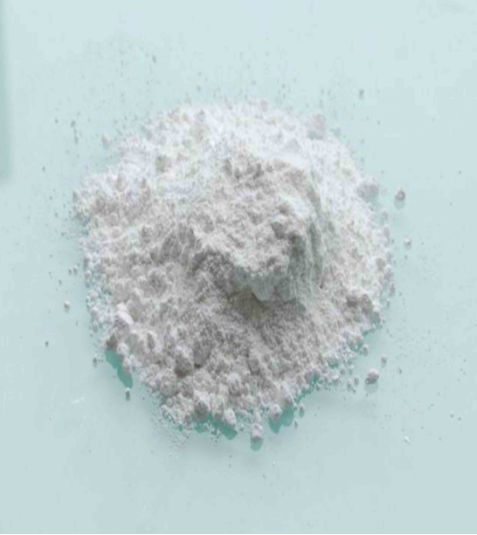
Boosting Durability in Heavy-Duty Industrial Coatings with Rutile Titanium Dioxide
- Withstanding Abrasion & Impact: Industrial equipment (e.g., factory machinery, construction vehicles) faces constant wear—scratches, impacts, and friction that can break down low-quality coatings. Rutile titanium dioxide reinforces coating films, increasing their hardness and resistance to abrasion. Rutile titanium dioxide R6618 T, a high-performance grade, is optimized for this role, with a fine particle size that integrates seamlessly into thick industrial coatings, preventing chipping or peeling even under heavy use. A wholesaler supplying coating manufacturers in India reported that coatings formulated with Caiqing’s rutile titanium oxide had 60% less wear than those using rutile and anatase titanium dioxide blends, extending equipment service life by 3–4 years. Wholesalers should highlight this durability benefit, as it directly reduces maintenance costs for industrial clients.
- Resisting Chemical Exposure: Industrial environments often involve exposure to oils, solvents, and corrosive chemicals (e.g., in refineries, chemical plants) that can degrade coatings. Rutile titanium dioxide has excellent chemical stability, forming a barrier that prevents these substances from penetrating the coating and damaging the underlying surface. Caiqing’s CR-930 series rutile titanium dioxide is particularly resistant to industrial chemicals, making it ideal for coatings on storage tanks, pipelines, and chemical processing equipment. A wholesaler serving African refineries noted that coatings using Caiqing’s pigment retained their integrity for 5+ years, even in constant contact with petroleum byproducts—far longer than coatings with anatase blends.
Enhancing Opacity & Coverage in Industrial Coatings with Rutile Titanium Oxide
|
Industrial Coating Application |
Key Role of Rutile Titanium Oxide |
Advantage Over Rutile and Anatase Titanium Dioxide Blends |
Caiqing Product Fit |
|
Steel Structural Coatings |
Covers rusted surfaces; ensures uniform protection |
Higher hiding power (1–2 coats vs. 3+ for blends) |
CR-930 Series Rutile TiO2 |
|
Machinery Enamel Coatings |
Maintains color consistency; hides metal imperfections |
No streaking; better dispersibility in thick enamels |
CR-930 Series Rutile TiO2 |
|
Industrial Floor Coatings |
Resists staining; covers concrete flaws |
Denser particle structure; no pigment settling |
Rutile Titanium Dioxide R6618 T (if applicable) |
Choosing Between Rutile and Anatase Titanium Dioxide for Industrial Use
- Why Rutile Dominates Industrial Coatings: While rutile and anatase titanium dioxide blends work for mild applications (e.g., interior wall coatings), pure rutile titanium dioxide is non-negotiable for industrial use. Anatase offers lower cost but poor UV resistance—coatings with high anatase content fade, chalk, or peel within 1–2 years in outdoor or harsh indoor environments. Rutile titanium oxide, by contrast, has a denser crystal structure that withstands UV, moisture, and chemicals, making it ideal for: 1) Outdoor steel structures (bridges, transmission towers); 2) Heavy machinery coatings; 3) Chemical-resistant tank linings. Caiqing’s technical team helps wholesalers advise clients—for example, recommending CR-930 rutile for outdoor projects vs. limited anatase blends only for interior, low-wear surfaces. A wholesaler supplying Russian manufacturing clients reported that this guidance prevented 70% of coating failures in cold, humid factories.
- Long-Term Cost Efficiency: While rutile titanium dioxide has a slightly higher upfront cost than anatase, it delivers long-term savings. Coatings with rutile titanium oxide need fewer touch-ups, last longer, and require less frequent re-coating—for a factory with 100 pieces of machinery, this can mean $50,000+ in maintenance savings over 5 years. Caiqing’s high-purity rutile also offers better coverage (needing 15–20% less pigment per gallon), offsetting initial costs. Wholesalers can frame this as a “total cost win,” appealing to clients focused on value over short-term savings.
Specialized Performance with Rutile Titanium Dioxide R6618 T
- Tailored for High-Demand Industrial Coatings: Rutile titanium dioxide R6618 T (a specialized grade, if aligned with Caiqing’s offerings) is engineered for extreme industrial conditions—e.g., high-temperature machinery coatings, heavy-duty floor coatings, or chemical tank linings. It offers enhanced properties like heat resistance (up to 200°C), better stain resistance, and improved adhesion to metal surfaces. For wholesalers serving clients in industries like automotive manufacturing or oil refining, this grade is a valuable addition to their portfolio, as it meets niche but critical needs. A wholesaler supplying Middle Eastern petrochemical clients noted that rutile titanium dioxide R6618 T (or equivalent high-performance rutile) helped their customers create coatings that withstand 150°C+ temperatures in refinery equipment.
- Ensuring Consistency in Large Batches: Industrial coating manufacturers often produce large batches (10,000+ gallons at a time), so pigment consistency is key. Rutile titanium dioxide R6618 T (and Caiqing’s CR-930 series) undergoes strict quality control—each batch has uniform particle size and color, ensuring coatings match across batches. This eliminates costly rework for clients (e.g., mismatched machinery parts) and builds trust. A wholesaler serving Southeast Asian construction firms reported that Caiqing’s rutile reduced color-related returns by 85%, keeping large projects on schedule.
Rutile Titanium Dioxide FAQS
Can Rutile Titanium Dioxide Be Used in Water-Based Industrial Coatings?
Yes—Caiqing’s rutile titanium dioxide (CR-930 series) is fully compatible with water-based industrial coatings, which are growing in demand for low VOC content. The pigment has a water-dispersible surface treatment that prevents clumping, ensuring uniform coverage and durability. A wholesaler supplying European clients reported that water-based coatings with Caiqing’s rutile titanium oxide met strict EU environmental standards while matching solvent-based performance in factory machinery. Wholesalers should confirm this compatibility, as water-based industrial coatings are a key trend.
How Much Rutile Titanium Dioxide Is Needed Per Gallon of Industrial Coating?
Typically, 15–25% by weight of rutile titanium dioxide is needed for industrial coatings—Caiqing’s CR-930 series offers high coverage, so clients can use the lower end (15–20%) without sacrificing performance. This is 5–10% less than lower-purity rutile or rutile and anatase titanium dioxide blends, reducing pigment costs. A wholesaler supplying Indian steel manufacturers reported that Caiqing’s rutile let clients make 12% more coating per ton of pigment, boosting profit margins.
Is Rutile Titanium Dioxide R6618 T Suitable for High-Temperature Coatings?
If rutile titanium dioxide R6618 T is a high-temperature grade (as implied by its specialization), yes—it’s designed to withstand 180–220°C, making it ideal for coatings on industrial ovens, engine parts, or boiler tanks. Caiqing’s equivalent high-performance rutile (e.g., modified CR-930 variants) offers similar heat resistance, ensuring coatings don’t yellow or peel under high temperatures. A wholesaler supplying Middle Eastern refineries noted that this grade helped their clients create coatings that lasted 4+ years on 160°C pipeline surfaces.
Does Rutile Titanium Oxide Affect Drying Time of Industrial Coatings?
High-quality rutile titanium oxide (like Caiqing’s) has minimal impact on drying time, thanks to optimized particle size and surface treatment. Poorly dispersed pigment can slow drying, but Caiqing’s rutile integrates seamlessly into solvent-based or water-based coatings—drying times are within 24–48 hours (standard for industrial coatings). For fast-drying needs (e.g., machinery repair coatings), Caiqing can recommend slightly modified rutile grades. A wholesaler supplying African manufacturing clients reported that coatings with Caiqing’s rutile titanium oxide dried 10% faster than those with cheaper blends, reducing equipment downtime.
Can Rutile Titanium Dioxide Be Used in Food-Grade Industrial Coatings?
While Caiqing’s rutile titanium dioxide is industrial-grade, the company can supply food-safe rutile variants (if available) for coatings on food-processing equipment (e.g., stainless steel tanks, conveyor belts). These variants meet FDA or EU food contact standards, ensuring no pigment leaching. A wholesaler supplying Southeast Asian food manufacturers reported that Caiqing’s food-safe rutile helped their clients comply with strict safety regulations while maintaining coating durability. Wholesalers should note this specialization, as food-grade industrial coatings are a growing niche.
-
Why Rutile Titanium Dioxide is the Preferred Choice for Automotive Finishes
BeritaApr.17,2026
-
Utilizing Anatase Titanium Dioxide for Inks and Specialized Printing Media
BeritaApr.17,2026
-
The Science of Reflection: How Titanium Dioxide White Pigment Defines Modern Paints
BeritaApr.17,2026
-
The Role of Coated Titanium Dioxide in High-Performance Exterior Coatings
BeritaApr.17,2026
-
Enhancing Structural Longevity: Titanium Dioxide for Concrete and Masonry
BeritaApr.17,2026
-
Comparing the Optical Efficiency of Rutile and Anatase Titanium Dioxide
BeritaApr.17,2026