

ກ.ພ. . 25, 2026 11:08 ກັບໄປທີ່ລາຍຊື່
Titanium Dioxide in the Paper Industry
The production of high-quality paper is an intricate balance of chemistry and engineering. While cellulose fibers provide the structural foundation, the visual and functional excellence of modern paper relies heavily on specialized additives. In this industrial landscape, titanium dioxide in the paper industry is regarded as the premier pigment and filler. Its ability to transform a translucent slurry of wood pulp into a brilliant, opaque, and durable sheet of paper has made it indispensable for premium printing, packaging, and decorative applications.
In 2026, as the demand for sustainable but high-performance materials grows, the strategic use of a titanium dioxide product has become a hallmark of quality for paper mills worldwide. From Bible paper to luxury packaging, the presence of TiO₂ defines the standard of excellence.
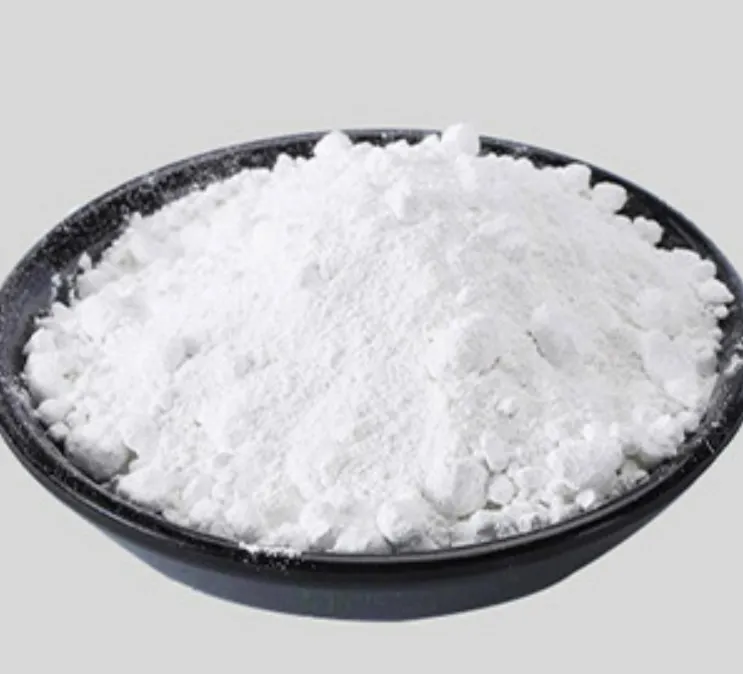
Titanium Dioxide Powder: Maximizing Opacity and Brightness for Premium Printing
The most significant contribution of titanium dioxide for paper making is its unmatched refractive index. In optics, the refractive index determines how effectively a material can scatter light. With a refractive index of approximately 2.55 to 2.73, titanium dioxide far exceeds common fillers like calcium carbonate or kaolin clay.
When light hits a sheet of paper containing titanium dioxide powder, the particles act as microscopic mirrors, scattering the light waves before they can pass through the sheet. This results in exceptional "hiding power," which is critical for thin papers. For instance, in dictionary or Bible paper, TiO₂ allows the sheets to be incredibly thin while remaining completely opaque, preventing "show-through" from the printed text on the reverse side. This high scattering efficiency also enhances the ISO brightness of the paper, ensuring that colors and text appear more vivid and sharp.
Precision in Color: The Neutral Whiteness of Titanium Dioxide Powder
In the paper industry, the perceived "whiteness" of a product is a complex aesthetic requirement. The colour of titanium dioxide is naturally a pure, neutral white, which serves as the ideal base for high-fidelity printing. Unlike other fillers that may have a yellowish or grayish cast, high-purity TiO₂ provides a clean canvas that does not distort the hues of printing inks.
For paper manufacturers, achieving the right colour of titanium dioxide involves selecting between the anatase and rutile crystal forms. Anatase is often preferred for general papermaking because it offers a "bluer" white undertone that is visually perceived as brighter. It is also less abrasive, which protects the high-speed wires and blades of the paper machine from premature wear. On the other hand, rutile is chosen for decorative laminates and heavy-duty industrial papers where maximum light stability and UV protection are required to prevent yellowing over time.
Titanium Dioxide Powder: Enhancing Printability and Surface Smoothness
A high-quality titanium dioxide product does more than just sit within the paper fibers; it fundamentally alters the surface characteristics of the sheet. When used as a coating pigment, TiO₂ fills the microscopic voids and valleys on the paper's surface, creating a "smooth-as-glass" finish.
This smoothness is vital for modern high-speed printing processes like offset and digital inkjet. A smoother surface ensures that ink is absorbed uniformly rather than "feathering" or bleeding into the fibers. This results in sharper lines, finer details, and more vibrant color reproduction. Furthermore, the presence of titanium dioxide for paper making improves the ink-holdout of the sheet, meaning the ink sits on the surface rather than sinking in, which significantly reduces ink consumption and improves the overall cost-efficiency of the printing job.
Titanium Dioxide Powder: Durability and UV Stability for Long-Term Preservation
Paper is an organic material that is naturally prone to aging and degradation, especially when exposed to light. Titanium dioxide in the paper industry serves as a vital protective agent by absorbing harmful ultraviolet (UV) radiation.
In specialty applications like outdoor signage, posters, and decorative laminates (used for furniture and flooring), the UV-blocking capabilities of a titanium dioxide product are essential. The pigment acts as a shield for the cellulose fibers and the chemical binders, preventing the paper from becoming brittle or yellowing under the sun. This photochemical stability ensures that documents and decorative surfaces maintain their structural integrity and visual appeal for decades, making it the preferred choice for archival-quality papers and long-lasting industrial products.
Titanium Dioxide Powder: Economic and Environmental Efficiency in Modern Production
While titanium dioxide powder is a premium-priced additive, its "value-in-use" provides significant economic benefits to paper mills. Because it is roughly ten times more effective at providing opacity than cheaper minerals like talc or calcium carbonate, manufacturers can use significantly less of it to achieve the same result.
This efficiency allows for the production of "lightweight" papers. By reducing the total weight of the sheet without compromising its opacity, paper mills can lower their raw material costs and reduce shipping weights, which in turn lowers the carbon footprint of the final product. Additionally, the high retention rates of modern TiO₂ grades—especially those provided by leading suppliers like Hebei Caiqing New Material Technology Co., LTD—ensure that minimal pigment is lost in the process water, contributing to more sustainable and cleaner manufacturing cycles.
-
Why Rutile Titanium Dioxide is the Preferred Choice for Automotive Finishes
ຂ່າວApr.17,2026
-
Utilizing Anatase Titanium Dioxide for Inks and Specialized Printing Media
ຂ່າວApr.17,2026
-
The Science of Reflection: How Titanium Dioxide White Pigment Defines Modern Paints
ຂ່າວApr.17,2026
-
The Role of Coated Titanium Dioxide in High-Performance Exterior Coatings
ຂ່າວApr.17,2026
-
Enhancing Structural Longevity: Titanium Dioxide for Concrete and Masonry
ຂ່າວApr.17,2026
-
Comparing the Optical Efficiency of Rutile and Anatase Titanium Dioxide
ຂ່າວApr.17,2026
ກ.ຍ. . 08, 2024 12:29 ກັບໄປທີ່ລາຍຊື່
titanium dioxide in the paper industry
Titanium Dioxide in the Paper Industry An Essential Ingredient for Brightness and Opacity
Titanium dioxide (TiO2) is a white, inorganic pigment that has become a crucial component in various industries, particularly the paper industry
. Known for its exceptional brightness and opacity, titanium dioxide plays a significant role in enhancing the quality of paper products, making it an indispensable additive.The primary function of titanium dioxide in paper production is to improve the whiteness and brightness of paper. A higher brightness level signifies a more visually appealing product, making it more desirable for consumers. This is particularly important in the production of high-quality printing papers, packaging materials, and specialty papers. The pigment's ability to reflect light ensures that printed images and colors appear vibrant and true to life, meeting the expectations of customers in a competitive market.
Moreover, titanium dioxide imparts opacity to paper, which is essential for preventing print-through from the reverse side. This characteristic allows for clearer text and images, ensuring that both sides of the paper can be utilized effectively without compromising readability. The opacity enabled by TiO2 contributes not only to the functionality of the paper but also to its overall aesthetic quality.
titanium dioxide in the paper industry
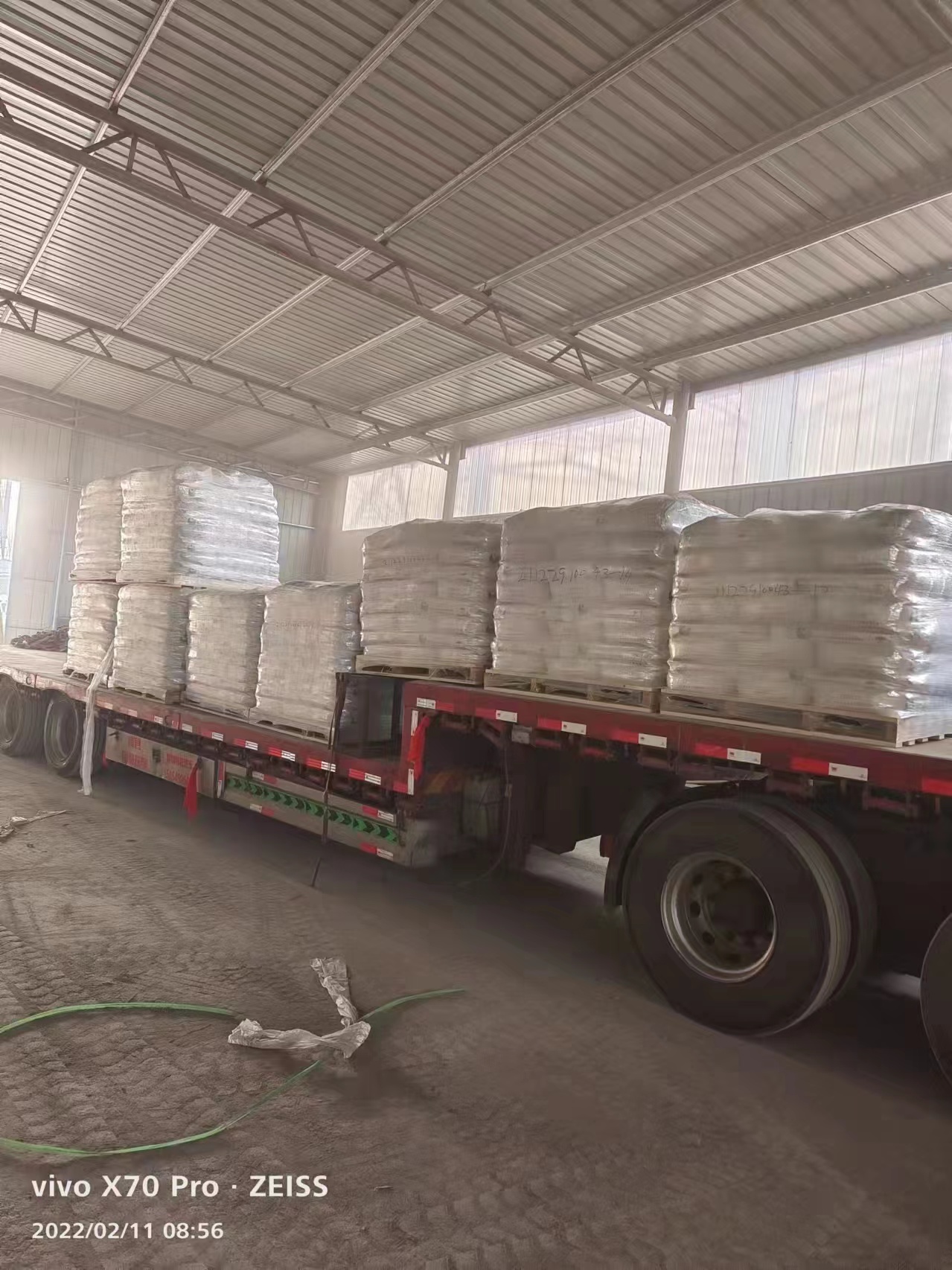
In addition to enhancing brightness and opacity, titanium dioxide also improves the paper's durability and resistance to environmental factors. Papers that incorporate this pigment exhibit enhanced strength and longevity, making them suitable for various applications, including books, magazines, and packaging materials. The durability offered by titanium dioxide ensures that these products remain intact over time, even when exposed to light, moisture, and other potentially damaging elements.
The production process of paper that includes titanium dioxide involves the careful integration of this pigment into the pulp slurry. The amount of TiO2 used is typically optimized to achieve the desired characteristics without significantly increasing production costs. This balancing act is crucial for manufacturers aiming to provide high-quality paper products while maintaining competitive pricing.
Furthermore, sustainability has become a vital consideration in the paper industry. Many manufacturers are exploring innovative solutions that utilize titanium dioxide in environmentally friendly ways. This includes sourcing TiO2 from responsible suppliers and implementing recycling processes that minimize waste. By prioritizing sustainability, the paper industry can align with global efforts to reduce environmental impact while continuing to produce high-quality materials.
In conclusion, titanium dioxide serves as a fundamental ingredient in the paper industry, providing unparalleled brightness, opacity, and durability. Its role in enhancing the quality of paper products underlines the importance of this pigment in delivering value to consumers and ensuring market competitiveness. As the industry evolves, sustainability and innovation will likely shape the future use of titanium dioxide, reinforcing its position as an essential component in paper production.
-
Key Advantages of Buff Titanium Dioxide in Industry
ຂ່າວFeb.04,2026
-
Comprehensive Guide to Selecting a Reliable Colloidal Silicon Dioxide Manufacturer
ຂ່າວJan.30,2026
-
Find the Best Quality Titanium Dioxide Supplier for Your Industry Needs
ຂ່າວJan.28,2026
-
Discover the Best Quality Titanium Dioxide Factory for Superior Performance
ຂ່າວJan.28,2026
-
Discover Top Tier best quality titanium dioxide factories For Superior Products
ຂ່າວJan.27,2026
-
Premier Colloidal Silicon Dioxide Manufacturers for Diverse Industrial Applications
ຂ່າວJan.27,2026