

Lithopone White Pigment and Titanium Dioxide in Products Guide
For procurement managers in the industrial coatings and plastics sectors, finding a white pigment that balances opacity with cost-efficiency is a recurring challenge. While many search for titanium dioxide in products to achieve maximum brightness, Lithopone (ZnS+BaSO4) serves as a critical technical alternative and complementary agent. By combining zinc sulfide and barium sulfate, this inorganic pigment provides substantial covering power and excellent dispersion characteristics without the volatility often associated with high-grade TiO2.
Hebei Caiqing New Material Technology specializes in the production of high-performance Lithopone, designed specifically for applications where achromatic power and stability are paramount. Whether integrated into rubber compounds, enamel, or architectural paints, our grade ensures a consistent white finish and strong cold resistance. Understanding the synergy between different white pigments allows manufacturers to optimize their material costs while maintaining the rigorous structural standards required for international export.

Technical Composition and the Chemistry of Lithopone Pigments
Lithopone is a complex inorganic compound consisting of a mixture of zinc sulfide (ZnS) and barium sulfate (BaSO4). Unlike single-component pigments, this combination creates a synergistic effect that enhances the pigment's physical properties. The barium sulfate provides a chemically inert base with a high refractive index, while the zinc sulfide contributes to the brilliant white hue and opacity.
From a technical perspective, the chemical formula ZnS+BaSO4 ensures that the product remains almost insoluble in water, making it an ideal choice for moisture-sensitive environments. With a pH value ranging from 4.136 to 4.39, it maintains a stable acidic-to-neutral profile that prevents adverse reactions when mixed with various resin binders in paint and ink formulations. This stability is crucial for preventing the "chalking" effect often seen in lower-quality white pigments exposed to UV radiation.
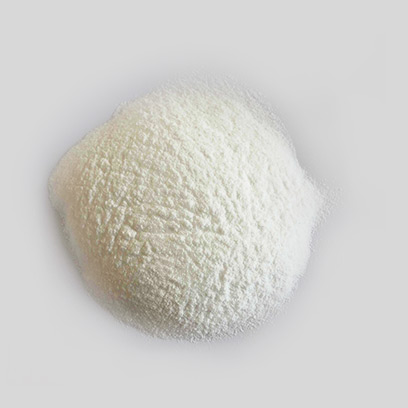
The molecular weight of 330.8 and the solid white powder physical state allow for rapid integration into high-viscosity mediums. Because it is odourless and lacks explosion properties, it simplifies the safety protocols within a manufacturing plant, reducing the need for specialized atmospheric monitoring compared to more volatile chemical additives.

Industrial Application Scenarios and Performance Logic
The versatility of Lithopone is most evident in its application across diverse manufacturing sectors. In the paint and coating industry, it is used to increase the volume of the paint while maintaining high coverage, effectively reducing the overall cost per square meter of application. Its superior dispersion ensures that the pigment does not clump, resulting in a smooth, professional finish on enamel and architectural surfaces.
In the rubber and tire industry, the pigment's strong cold resistance and chemical stability are vital. It prevents the rubber from yellowing over time and ensures that the white coloring remains consistent even under extreme temperature fluctuations. Similarly, in the plastics and paper industries, Lithopone is favored for its achromatic power, which allows for the creation of pure white surfaces that are essential for high-quality printing and packaging.
For manufacturers of ceramics and inks, the pigment's ability to integrate without altering the flow characteristics of the medium is a significant advantage. By adhering to the GB/T1707-1995 implementation standard, our product ensures a predictable reaction during the curing and drying processes, minimizing waste and maximizing yield in large-scale production lines.
Strategic Procurement: Evaluating White Pigment Suppliers
When sourcing white pigments for global supply chains, buyers must look beyond the price per ton and evaluate the manufacturer's total production capability and consistency. Hebei Caiqing New Material Technology operates with an annual output capacity of 100,000 tons, ensuring that large-scale industrial needs can be met without lead-time delays. This scale is complemented by a specialized focus on rutile and anatase grades, allowing for personalized customization based on the client's specific viscosity or opacity requirements.
A critical consideration for international buyers is the logistics and export reliability. Shipping chemical powders requires strict adherence to moisture-proof packaging. We utilize plastic woven lining with polythene inner bags or heavy-duty paper packing (25 kg per pack) to prevent contamination and clumping during transit to regions such as Southeast Asia, Africa, and the Middle East.
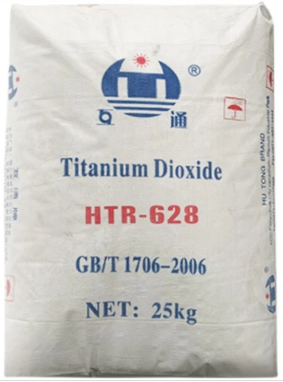
Furthermore, the ability of a supplier to provide technical guidance on the interaction between Lithopone and titanium dioxide in products is a mark of expertise. A professional supplier will help you determine the optimal ratio of pigments to achieve the desired brightness while optimizing the cost-to-performance ratio, rather than simply selling a generic grade of powder.
Technical Specification and Application Suitability Matrix
| Property/Metric | Technical Value | Industrial Impact | Application Suitability |
|---|---|---|---|
| Chemical Formula | ZnS + BaSO4 | High stability & opacity | Paint & Enamel |
| pH Value | 4.136 ~ 4.39 | Acid-neutral compatibility | Plastic & Rubber |
| Water Solubility | Almost Insoluble | Moisture resistance | Outdoor Coatings |
| Physical State | White Powder | High dispersibility | Inks & Paper |
| Standard | GB/T1707-1995 | Consistent Quality | Global Export |
Quality Assurance and Safe Handling Protocols
Maintaining the purity of inorganic salts requires rigorous quality control from the raw material stage to the final packaging. To ensure the high covering power and achromatic properties of our Lithopone, we implement strict filtration and milling processes. This prevents the inclusion of impurities that could lead to off-white tints or grit in the final finished product, which is particularly important for high-end enamel and precision plastics.
Safety and environmental stewardship are integrated into our operational guidelines. While Lithopone is non-explosive, handling fine chemical powders requires specific PPE to protect operators. We mandate the use of safety glasses with side shields, gloves, and safety shoes. In the event of accidental eye or skin contact, immediate flushing and cleaning are required to maintain workplace safety standards.
Storage is another pillar of quality preservation. Because the pigment can be sensitive to extreme humidity over long durations, we advise storing the product in a cool, dry environment, away from direct contact with moisture. Proper storage ensures that the dispersion properties remain intact, preventing the formation of hard cakes that would otherwise require energy-intensive re-processing before use.
Future Trends in Inorganic Pigment Integration
The global chemical industry is shifting toward "hybrid pigmentation," where manufacturers blend different inorganic salts to achieve specific light-scattering properties. We are seeing an increase in demand for customized blends that combine the brilliance of rutile TiO2 with the cost-effectiveness and stability of Lithopone. This trend allows companies to meet stringent environmental regulations while reducing the overall carbon footprint associated with the energy-intensive production of pure titanium dioxide.
Technological research at Hebei Caiqing is currently focused on enhancing the cold resistance and dispersibility of our series. By refining the particle size distribution, we aim to provide pigments that integrate faster into automated mixing systems, reducing the time and energy required for the dispersion phase of production. This is particularly beneficial for the tire and rubber industries, where processing speed directly impacts throughput.
As the market expands in Russia, India, and the Middle East, the focus is moving toward "application-specific" grades. Instead of a one-size-fits-all powder, the future lies in pigments tailored for specific resins—whether they be acrylic, epoxy, or polyurethane. By aligning our R&D with these industry shifts, we ensure that our clients remain competitive in a market that increasingly values precision over volume.
Frequently Asked Questions Regarding White Pigments
What is the primary difference between Lithopone and pure Titanium Dioxide?
Lithopone is a blend of zinc sulfide and barium sulfate, whereas Titanium Dioxide is a single compound. While TiO2 generally offers higher brilliance and opacity, Lithopone provides excellent covering power and dispersion at a more economical price point, making it an ideal filler or primary pigment for many industrial applications.
Can Lithopone be used in outdoor architectural paints?
Yes, due to its chemical stability and the presence of barium sulfate, it is highly resistant to environmental degradation. However, for maximum UV protection and brightness in extreme weather, it is often used in combination with rutile titanium dioxide.
How should I store Lithopone to prevent clumping?
The product should be kept in its original moisture-proof packaging (plastic woven lining with polythene inner bag) and stored in a dry, well-ventilated warehouse. Avoid direct contact with moisture and keep the bags sealed until the moment of use.
Is Lithopone compatible with rubber and tire manufacturing?
Absolutely. It is widely used in the rubber industry because of its strong cold resistance and ability to maintain a consistent white color without reacting with the vulcanization agents used in tire production.
What are the safety precautions for handling these chemical powders?
Operators should wear safety glasses with side shields, gloves, and safety shoes. Since it is a fine powder, avoiding inhalation and skin contact is recommended. In case of contact, flush the affected area with water immediately.
Does Hebei Caiqing provide customized pigment specifications?
Yes, we offer personalized customized services to customers worldwide. Depending on your application—whether it be ink, plastic, or ceramics—we can adjust our supply to meet your specific technical requirements for coverage and dispersion.
Technical References and Industry Standards
- ISO Standards for Inorganic Pigments
- Chemical Properties of Zinc Sulfide and Barium Sulfate
- Research on White Pigment Dispersion in Polymer Matrices
- Global Market Trends for Industrial White Pigments
Selecting the right white pigment is a balance of technical requirement and cost management. Whether you require the extreme opacity of rutile grades or the stability and value of Lithopone, Hebei Caiqing New Material Technology provides the manufacturing scale and export expertise to support your production goals.
Related Industrial Insights