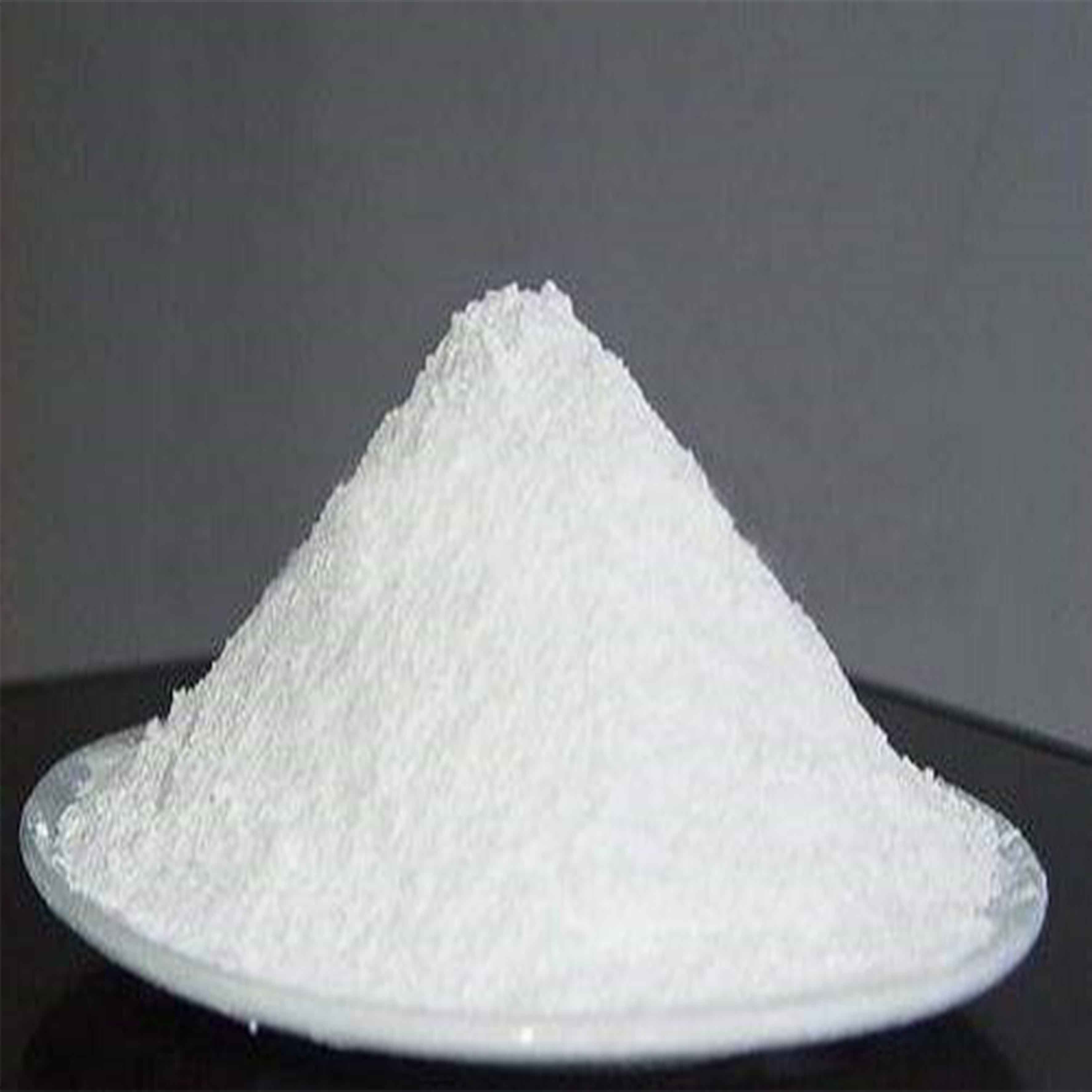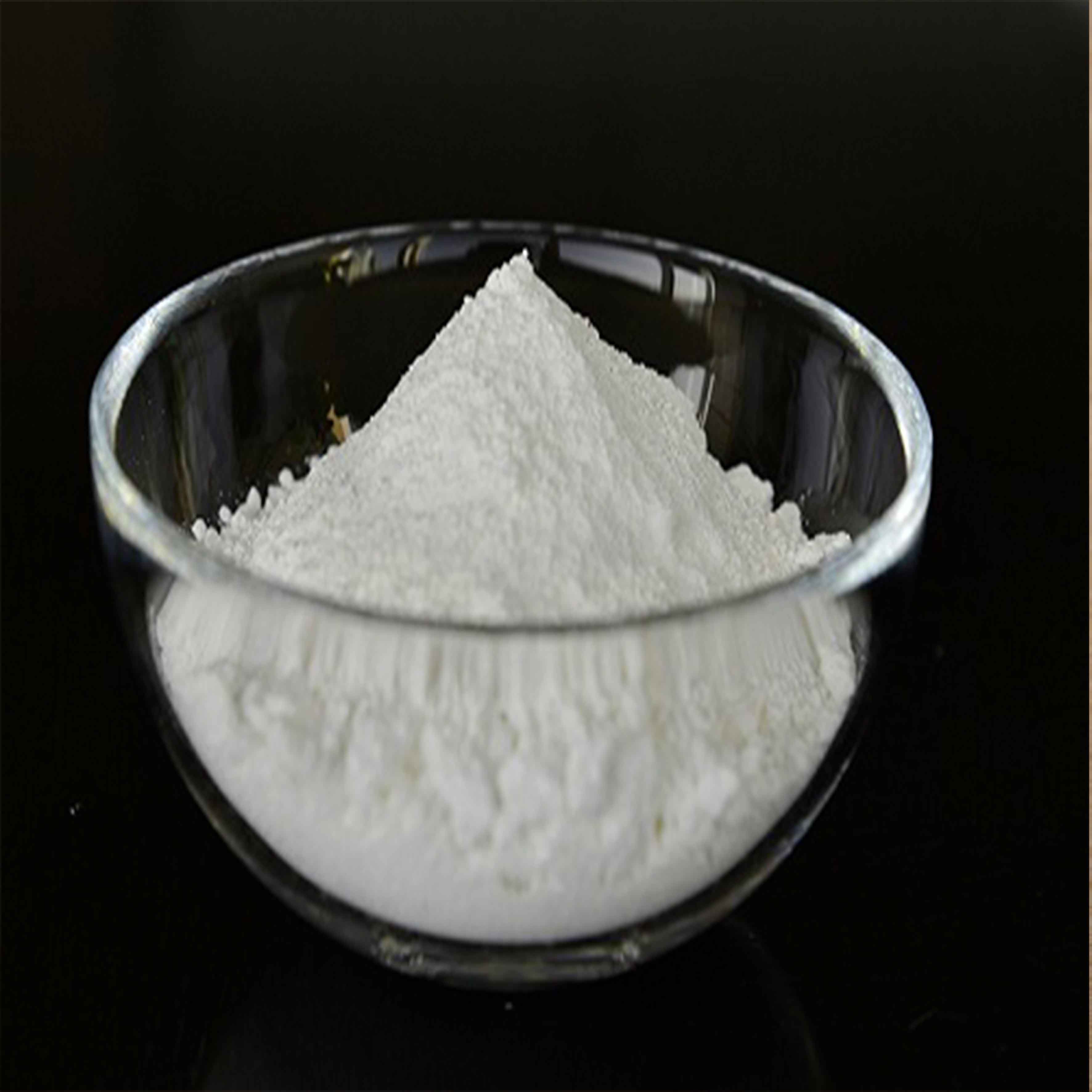


Top Titanium Dioxide Companies for Rutile and Anatase Grades
Selecting a high-performance whitening agent requires a deep understanding of crystalline structures and surface treatments. Whether you are formulating industrial coatings or high-grade printing inks, the choice between rutile and anatase grades determines the final product's durability, opacity, and lightfastness. For manufacturers, the challenge lies in finding a stable supply that balances high tinting strength with optimal dispersibility to reduce production costs and improve finish quality.
Hebei Caiqing New Material Technology specializes in providing these critical chemical components, offering specialized series like the CR-930 and BA01-01. By focusing on precise specifications—such as aluminum and silicon surface treatments—their products ensure strong cold resistance and high coverage. This technical approach allows buyers in the rubber, ceramics, and paper industries to achieve consistent whiteness and weather resistance across various environmental conditions.

Understanding the Technical Distinction Between Rutile and Anatase Grades
The chemical industry categorizes this white pigment primarily into two crystalline forms: rutile and anatase. Rutile is the most common form used in outdoor applications due to its superior refractive index and stability. It is highly resistant to ultraviolet radiation, making it indispensable for automotive paints and exterior architectural coatings. In contrast, anatase is prized for its high whiteness and scattering strength, although it is more sensitive to heat and light, typically transforming into rutile when temperatures exceed 700°C.
For specific industrial needs, the surface treatment plays a pivotal role. The use of Aluminum and Silicon treatments enhances the pigment's dispersibility and prevents agglomeration during the mixing process. This is particularly critical in the production of tires and rubber components, where the pigment serves not only as a colorant but also as a reinforcing agent and anti-aging additive, ensuring the material maintains its structural integrity over time.
When evaluating these materials, procurement managers must consider the PH of the aqueous suspension and the oil absorption rates. A PH range of 6.5 to 8.0 ensures compatibility with a wide array of resin systems, while controlled oil absorption prevents the final coating from becoming too viscous, allowing for a smoother application and more uniform coverage across the substrate.

Strategic Applications Across Modern Manufacturing Sectors
The versatility of titanium dioxide allows it to function across diverse manufacturing ecosystems. In the paper industry, the anatase grade is essential for achieving the desired fluorescence and whitening effects, which are critical for high-end stationery and printing papers. For the ink industry, the pigment provides the high-grade opacity required for vivid color reproduction and sharp contrast in commercial printing.
Beyond paper and ink, the pigment's role in the plastics and ceramics sectors is centered on its "hiding power." By effectively blocking underlying colors or imperfections in the raw material, it allows manufacturers to use thinner layers of coating while maintaining a premium aesthetic. In the textile and fiber industry, these pigments are utilized as delustering agents, reducing the natural glare of synthetic fibers to create a more matte, sophisticated finish.
Industrial coatings represent one of the largest consumption areas. The requirement for "strong cold resistance" mentioned in the CR-930 series is vital for products exported to colder regions like Russia or Northern Europe. This ensures that the paint does not crack or peel during extreme temperature fluctuations, providing long-term protection and aesthetic stability for steel structures and machinery.
Evaluation Criteria for Selecting a Reliable Chemical Supplier
When sourcing from various titanium dioxide companies, buyers should look beyond the price per ton and focus on consistency and technical support. A supplier's ability to maintain a stable annual output—such as the 100,000-ton capacity of Hebei Caiqing—indicates a mature production chain that can handle large-scale industrial demands without fluctuating quality.
Key evaluation metrics include:
- Purity Levels: Ensuring the TiO2 content is at a minimum of 93% to guarantee maximum tinting strength.
- Residue Control: A low residue on a 325 mesh sieve (max 0.10%) is essential to avoid grit or clumps in fine coatings.
- Water Solubility: Minimizing water-soluble matter (max 0.5%) prevents premature degradation and improves the shelf life of the final product.
- Customization Capability: The ability to provide personalized customized services allows manufacturers to tweak the pigment specifications to match their specific resin or solvent systems.
Furthermore, the geographic reach of a supplier often reflects their adherence to international quality standards. Companies with established export relations in Southeast Asia, Africa, and the Middle East are typically well-versed in the logistics of hazardous material transport and the regulatory requirements of diverse global markets.
Technical Specification and Application Mapping
| Property / Grade | Anatase (BA01-01) | Rutile (CR-930) | Industrial Requirement |
|---|---|---|---|
| Lightfastness | Medium | Very High | Essential for outdoor paints |
| Whiteness | Excellent | High | Critical for high-grade paper |
| Weathering | Limited | Superior | Required for automotive use |
| Dispersibility | High | High (Al/Si treated) | Prevents clumping in resins |
| Primary Use | Inks/Fibers | Coatings/Plastics | Application-specific selection |
Optimizing Production Efficiency with High-Coverage Pigments
The economic value of a pigment is measured by its "tint reducing power." When a product demonstrates a tint reducing power of 100% or more compared to standard samples, it means the manufacturer can achieve the desired opacity using less material. This directly reduces the cost per square meter of the finished product and minimizes the weight of the coating, which is a significant advantage in the automotive and aerospace industries.
Effective oil absorption (max 21.0%) also contributes to production efficiency. By optimizing the amount of binder required to wet the pigment particles, companies can avoid the waste of expensive resins. This balance is achieved through advanced production equipment and professional management, ensuring that each batch of the CA100 or Lide powder series meets the strict tolerances required by modern automated mixing systems.
Moreover, the integration of high-quality TiO2 as a reinforcing agent in rubber manufacturing helps in reducing the overall aging rate of the product. By acting as a barrier against environmental degradation, it extends the service life of tires and industrial seals, adding long-term value for the end consumer and enhancing the reputation of the manufacturer.
Future Trends in Inorganic Salt Manufacturing and Pigment Tech
The trajectory of the inorganic salt industry is moving toward higher purity and lower environmental impact. There is an increasing demand for pigments that can be processed with fewer volatile organic compounds (VOCs), pushing manufacturers to develop better water-dispersible grades. The emphasis on "personalized customized services" is becoming the industry standard, as buyers move away from generic products toward application-specific formulations.
We are seeing a shift where the focus is not just on the pigment itself, but on the synergy between the pigment and the additive package. For instance, in the building materials sector, the combination of titanium dioxide with specific plaster additives is creating more durable and colorful architectural finishes. This interdisciplinary approach requires suppliers to possess deep R&D capabilities and a market-oriented mindset.
As global supply chains evolve, the ability to provide efficient services and stable delivery to emerging markets in Africa and Southeast Asia will distinguish market leaders. The commitment to technological research ensures that the next generation of pigments will offer even higher coverage and better resistance to extreme climates, continuing to support the growth of the global coating and plastics industries.
Technical and Procurement FAQ
What is the primary difference between rutile and anatase titanium dioxide in practical use?
Rutile is primarily used for outdoor applications due to its high stability and UV resistance, whereas anatase is preferred for indoor uses, high-grade papers, and printing inks because of its superior whiteness and scattering strength.
How does the Aluminum and Silicon surface treatment benefit the final product?
These treatments improve the dispersibility of the powder, preventing it from clumping during the mixing process and enhancing the cold resistance and coverage of the resulting coating or plastic.
Which specifications should I prioritize for rubber and tire manufacturing?
Focus on the pigment's role as a reinforcing and anti-aging agent. You should check the residue on the 325 mesh sieve and the oil absorption rate to ensure it integrates well with the rubber compound without creating structural weaknesses.
Can anatase grade be used in industrial coatings?
Yes, but it is typically limited to indoor industrial coatings. Because it can turn yellow at temperatures above 400°C and has lower durability than rutile, it is not suitable for high-heat or outdoor environments.
How do I verify the quality of a bulk shipment of TiO2?
Verify the TiO2 percentage (should be 93% min), the tint reducing power (100% min), and the water content (max 0.05%) through lab testing to ensure the batch meets the agreed-upon technical specifications.
What are the common mistakes when choosing a supplier among various titanium dioxide companies?
A common mistake is focusing solely on price while ignoring the annual output capacity and the supplier's experience in export logistics, which can lead to inconsistent quality and delivery delays.
Technical References and Industry Standards
- ISO Standards for Chemical Pigments and Inorganic Salts
- PubChem Compound Summary for Titanium Dioxide
- Research on TiO2 Rutile and Anatase Phase Transitions
- Global Chemical Manufacturing and Export Guidelines
For professional procurement of rutile and anatase series pigments, choosing a partner with verified manufacturing scale and technical expertise is key to product stability. We invite global partners to discuss customized specifications to optimize their production outcomes.
Industry Insights and Product Applications