

Mag . 26, 2026 11:35 Torna alla lista
The Radiance of Modern Mobility: The Impact of Micro Powder TiO2 on Automotive Paint Gloss
The automotive industry has long been defined by the pursuit of aesthetic perfection. In a showroom, the first thing a consumer notices is the depth and brilliance of the vehicle’s finish. This "liquid" look, characterized by high gloss and mirror-like reflection, is not merely a result of the clear coat, but a complex interaction of light within the base layers. At the heart of this optical performance lies titanium dioxide micro powder, a specialized material that has redefined the standards of automotive aesthetics. As vehicle manufacturers push for thinner, more durable, and more vibrant coatings, the role of micro-sized particles has become the deciding factor in achieving professional-grade brilliance.
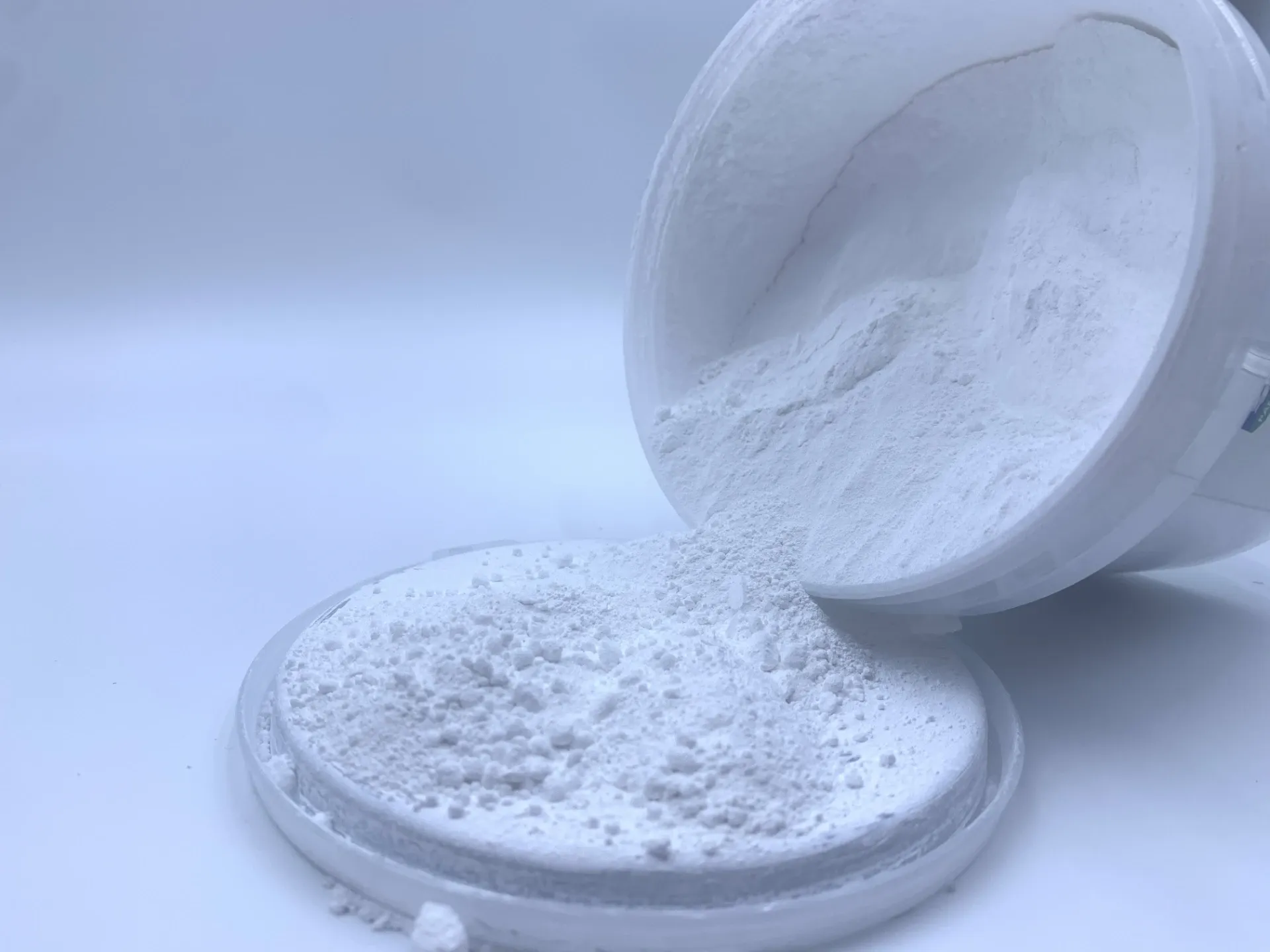
The Optical Physics of Titanium Dioxide Paint Pigment
To achieve the deep gloss required for premium vehicles, the paint must manage light with extreme precision. Titanium dioxide paint pigment is valued primarily for its exceptionally high refractive index, which exceeds even that of a diamond. When light hits the automotive surface, these pigments scatter the visible spectrum, creating the perception of brightness and opacity. However, the size of these particles is critical.
Traditional pigments can sometimes create a "haze" if the particles are too large or unevenly distributed. By utilizing micro powder technology, manufacturers ensure that the particles are small enough to create a smooth, continuous surface at the molecular level. This uniformity minimizes diffuse reflection—where light scatters in random directions—and maximizes specular reflection. The result is a surface that looks crisp and sharp, reflecting the environment with the clarity of a high-definition mirror.
Achieving Perfection with Titanium Dioxide High Whiteness
In the realm of automotive design, white remains the most popular color globally, yet not all whites are created equal. The "pearl" and "glacier" finishes seen on luxury sedans rely on titanium dioxide high whiteness to eliminate any yellow or gray undertones. Because titanium dioxide is naturally a bright white mineral, its purity directly dictates the "cleanliness" of the final color.
Micro-powdering the TiO2 allows for a higher packing density within the paint film. When the pigment particles are finely ground and treated, they provide a neutral, high-reflectance base that makes the subsequent clear coats appear deeper. This high whiteness serves as a canvas; without it, the metallic or pearlescent additives used in modern automotive finishes would appear dull or "muddy." By reflecting nearly all visible light, the micro powder ensures that the color stays true under varied lighting conditions, from the harsh midday sun to the amber glow of streetlights.
Functional Integration of Titanium Dioxide for Paint Systems
Beyond the visual appeal, the integration of titanium dioxide for paint in the automotive sector must address rigorous durability standards. Automotive coatings are subjected to constant environmental stress, including UV radiation, temperature swings, and chemical exposure from road salts. Micro powder TiO2 contributes to the structural integrity of the paint film by reinforcing the polymer matrix.
When TiO2 is reduced to a micro-scale, the surface area available for bonding with the resin increases significantly. This creates a more cohesive layer that is resistant to "micro-cracking." In high-gloss finishes, even microscopic cracks can scatter light and cause the paint to look "flat" over time. By maintaining the elasticity and strength of the coating, the micro powder ensures that the gloss does not degrade after a few years of driving. Furthermore, the UV-absorbing properties of titanium dioxide protect the underlying primer and the vehicle’s metal body, preventing the degradation of the binder that leads to delamination.
Advanced Dispersion in Titanium Dioxide for Coatings
The most significant challenge in automotive refinishing is "clumping" or flocculation. If pigment particles group together, they create "seeds" or textures in the paint that ruin the gloss. This is why titanium dioxide for coatings in the automotive grade is often surface-treated with organic and inorganic compounds. These treatments ensure that the micro powder remains suspended and evenly spaced throughout the application process.
In a high-solids or waterborne automotive system, the dispersion of micro powder determines the "flow" of the paint. A well-dispersed TiO2 micro powder allows the paint to level out perfectly as it dries, eliminating the "orange peel" effect that plagues lower-quality finishes. The smoother the dried film, the higher the gloss. By optimizing the particle size distribution, manufacturers can achieve a finish that requires less buffing and polishing, streamlining the assembly line while actually improving the final aesthetic quality.
Diossido di titanio’s Synergy of Micro Technology and Multi-Layer Systems
Modern automotive paint is a multi-layered symphony, typically consisting of an e-coat, a primer, a base coat (color), and a clear coat. The micro powder titanium dioxide is most active in the base coat, where it provides the "hide" or opacity. High-quality micro powders allow for "one-coat hiding," meaning the manufacturer can use less paint to achieve full coverage.
This reduction in thickness is actually beneficial for gloss. Thicker paint layers are more prone to sagging and surface irregularities. By using high-performance micro powder pigments, the automotive industry can achieve intense color and brightness with a thinner, more stable film. This synergy between the micro-scale pigment and the high-gloss clear coat creates a "3D effect" where the light seems to travel through the clear layer, hit the high-reflectance TiO2 base, and bounce back with intensified energy.
Diossido di titanio’s Sustainability and the Future of Automotive Gloss
As the automotive industry transitions toward more sustainable manufacturing, the demand for efficient titanium dioxide micro powder continues to rise. Modern formulations are moving away from solvent-based paints toward waterborne systems to reduce VOC emissions. Micro powder TiO2 is uniquely suited for these systems because its surface chemistry can be tailored for water-based stability.
Future innovations are focusing on "chameleon" pigments and self-cleaning gloss coats. Titanium dioxide is already being used in experimental coatings to create "cool roofs" for cars, reflecting infrared heat to reduce the need for air conditioning. This dual-purpose role—where the material provides both extreme gloss and thermal management—represents the next frontier in automotive coating science.
Questo è l'ultimo articolo
-
The Radiance of Modern Mobility: The Impact of Micro Powder TiO2 on Automotive Paint Gloss
NotiziaMay.26,2026
-
The Evolution of Industrial Protection: Anti-Corrosion Properties of Titanium Dioxide in Heavy-Duty Coatings
NotiziaMay.25,2026
-
Sourcing Sustainable Titanium Dioxide for Green Building Materials
NotiziaMay.25,2026
-
Rutile vs. Anatase: Choosing the Right Titanium Dioxide for Plastics
NotiziaMay.22,2026
-
Optimizing Masterbatch Production with High-Performance TiO2 Pigment
NotiziaMay.22,2026
-
The Role of High Purity Titanium Dioxide in Polymer Durability
NotiziaMay.14,2026