

Des . 16, 2025 12:50 Kembali ke daftar
Titanium Dioxide in Paper Products
Titanium dioxide (TiO₂) is a pivotal additive in paper manufacturing, elevating paper’s whiteness, opacity, and printability—qualities that define high-quality writing, printing, and packaging paper. For paper producers, balancing performance with titanium dioxide cost and tio2 cost is critical to maintaining profitability, especially in large-scale production. Hebei Caiqing Material Technology Co., Ltd.—established in 2005 as a leading chemical enterprise specializing in TiO₂ (annual output 100,000 tons) and lithopone, with exports to Southeast Asia, Africa, the Middle East, and beyond—supplies wholesalers with tailored rutile (e.g., CR-930 series) and anatase (e.g., BA01-01, CA100 series) titanium dioxide grades optimized for paper. Caiqing’s TiO₂ offers strong dispersibility and high coverage, addressing paper manufacturers’ needs for both performance and cost efficiency. This article explores titanium dioxide’s role in paper products, focusing on how Caiqing’s solutions help wholesalers and their clients manage titanium dioxide cost while delivering premium paper quality.
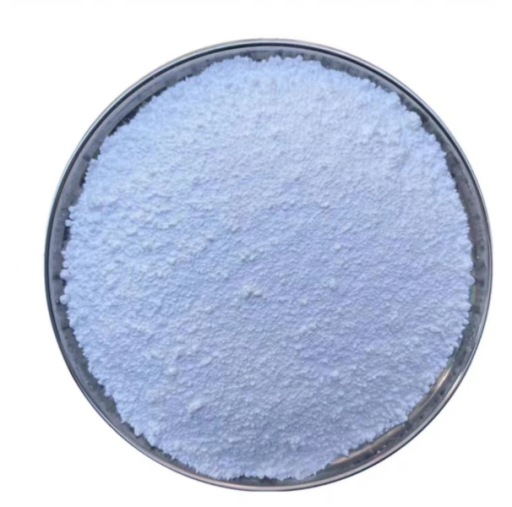
Balancing Performance and Titanium Dioxide Cost in Paper Manufacturing
- High Coverage TiO₂ Reduces Usage Volumes: Caiqing’s rutile and anatase titanium dioxide (e.g., CR-930, BA01-01) boasts exceptional hiding power—meaning paper producers need less pigment to achieve desired opacity. A standard printing paper typically requires 5-8% TiO₂ loading with conventional grades, but Caiqing’s high-coverage TiO₂ cuts this to 3-5%. This reduction directly lowers titanium dioxide cost per ton of paper, a major win for large-scale manufacturers. For example, a paper mill producing 10,000 tons of printing paper monthly saves ~200 tons of TiO₂ annually with Caiqing’s grades, translating to significant tio2 cost Wholesalers supplying paper mills note that this efficiency makes Caiqing’s TiO₂ a top choice for cost-conscious clients.
- Long-Term Supply Stability Lowers Cost Volatility: Tio2 cost is prone to market fluctuations from raw material shortages or logistics delays. As a large-scale producer (100,000 tons/year), Caiqing ensures stable, bulk supply to wholesalers, shielding paper manufacturers from sudden titanium dioxide cost Caiqing also offers long-term supply contracts with fixed pricing, allowing wholesalers and their clients to budget reliably. A wholesaler serving Indian paper mills reported that Caiqing’s stable supply helped clients avoid 15-20% tio2 cost surges during global TiO₂ shortages.
Titanium Dioxide Grades for Paper: Cost vs. Performance
|
Caiqing TiO₂ Grade |
Key Features for Paper Products |
Titanium Dioxide Cost Position |
Ideal Paper Applications |
|
Rutile CR-930 Series |
High whiteness (L* ≥ 96), excellent light fastness; resists yellowing in outdoor packaging paper. |
Mid-range cost; high value for performance. |
Premium printing paper, outdoor packaging paper |
|
Anatase BA01-01 |
Strong dispersibility; low oil absorption; ideal for internal paper coating (no light fastness need). |
Lower cost vs. rutile; budget-friendly. |
Writing paper, office paper, low-cost packaging paper |
|
Anatase CA100 Series |
Balanced whiteness (L* ≥ 94) and dispersibility; compatible with both pulp mixing and coating. |
Mid-low cost; versatile for multiple uses. |
General printing paper, tissue paper (premium grades) |
Optimizing Tio2 Cost Through Tailored TiO₂ Solutions
- Pulp Mixing vs. Coating: Matching TiO₂ grade to application cuts tio2 cost—Caiqing’s anatase BA01-01 works best for pulp mixing (internal paper whitening), where light fastness is irrelevant, and costs 20-30% less than rutile. For surface coating (needs higher whiteness), rutile CR-930 is optimal but can be blended with 10-15% anatase to reduce titanium dioxide cost without sacrificing quality. Wholesalers can guide paper clients on this blending strategy—for example, a mill making mid-grade printing paper saved 12% on tio2 cost by blending CR-930 with CA100.
- Bulk Order Discounts for Wholesalers: Caiqing offers tiered pricing for wholesalers—larger orders (50+ tons) unlock 5-8% discounts on titanium dioxide cost, which wholesalers can pass to clients or retain as margin. With annual output of 100,000 tons, Caiqing handles bulk orders easily, ensuring timely delivery to wholesalers worldwide. A wholesaler supplying Southeast Asian paper mills noted that bulk discounts reduced their tio2 cost per ton by 6%, making their offerings more competitive.
Why Caiqing’s TiO₂ Reduces Total Paper Production Costs
- Reduced Rework: Poor-quality TiO₂ (low dispersibility) causes paper defects (streaks, uneven whiteness), leading to rework and wasted materials. Caiqing’s TiO₂ has consistent particle size (d50: 0.2-0.3μm) and strong dispersibility, cutting rework rates by 8-12%. This saves paper mills from reprocessing 1000+ tons of paper annually, a hidden cost far exceeding titanium dioxide cost.
- Energy Savings: Dispersible TiO₂ mixes faster in pulp, reducing mixer runtime by 15-20%. For a mill with 24/7 operations, this translates to lower electricity costs—adding up to 5-7% savings on total production costs. Wholesalers highlight this “beyond pigment cost” benefit to clients, showing that Caiqing’s TiO₂ delivers value beyond just tio2 cost
Titanium Dioxide Cost FAQS
Does Higher Titanium Dioxide Cost Always Mean Better Paper Quality?
No—titanium dioxide cost correlates with performance but not always necessity. For paper with no light fastness needs (e.g., office paper), Caiqing’s lower-cost anatase BA01-01 delivers sufficient whiteness. Only premium applications (outdoor packaging) require higher-cost rutile CR-930. Wholesalers can help clients avoid overspending by matching grade to need—one European paper client cut titanium dioxide cost by 25% by switching from rutile to anatase for office paper.
How Does Caiqing’s TiO₂ Help Wholesalers Compete on Tio2 Cost?
Caiqing offers three advantages: 1) Stable bulk supply (100,000 tons/year) eliminates tio2 cost volatility; 2) Tiered bulk discounts (5-8% for 50+ tons) lower wholesalers’ input costs; 3) Custom blends (e.g., CR-930 + CA100) let wholesalers offer cost-effective solutions. A Middle Eastern wholesaler reported that these benefits helped them undercut competitors’ tio2 cost by 7% while maintaining profit.
What Is the Minimum Order Quantity for Caiqing’s TiO₂ to Get Competitive Titanium Dioxide Cost?
Caiqing’s minimum order quantity (MOQ) for paper-grade TiO₂ is 10 tons, with competitive titanium dioxide cost starting at this level. For orders ≥50 tons, wholesalers get 5-8% discounts, and ≥100 tons unlock 10% discounts. This flexibility suits wholesalers of all sizes—smaller wholesalers (serving local mills) can order 10-20 tons, while large wholesalers (regional supply) benefit from bulk savings.
Does Caiqing Offer Custom TiO₂ Grades to Further Optimize Tio2 Cost?
Yes—Caiqing provides custom TiO₂ grades (e.g., adjusted particle size, surface treatment) for paper manufacturers with unique needs. For example, a tissue paper mill requested a low-dispersion TiO₂ to reduce coating time; Caiqing’s custom grade cut their tio2 cost by 9% and improved production speed. MOQ for custom grades is 50 tons, feasible for wholesalers working with mid-to-large mills.
How Does Caiqing’s Global Shipping Affect Titanium Dioxide Cost for International Wholesalers?
Caiqing partners with major logistics firms (Maersk, COSCO) to offer competitive shipping rates, adding just 3-5% to total titanium dioxide cost for international wholesalers. The company also has warehousing in Southeast Asia and the Middle East, reducing shipping time and costs for regional clients. A Russian wholesaler noted that regional warehousing cut their tio2 cost by 4% vs. direct shipping from China. To explore Caiqing’s paper-grade TiO₂ and wholesale cost solutions, visit our company webpage today!
-
Why Rutile Titanium Dioxide is the Preferred Choice for Automotive Finishes
BeritaApr.17,2026
-
Utilizing Anatase Titanium Dioxide for Inks and Specialized Printing Media
BeritaApr.17,2026
-
The Science of Reflection: How Titanium Dioxide White Pigment Defines Modern Paints
BeritaApr.17,2026
-
The Role of Coated Titanium Dioxide in High-Performance Exterior Coatings
BeritaApr.17,2026
-
Enhancing Structural Longevity: Titanium Dioxide for Concrete and Masonry
BeritaApr.17,2026
-
Comparing the Optical Efficiency of Rutile and Anatase Titanium Dioxide
BeritaApr.17,2026