

Mar . 09, 2026 01:45 Back to list
Understanding the Chemical Formula of Lithopone and Finding a Reliable Supplier
Understanding the Chemical Formula of Lithopone & Finding a Reliable Supplier
Lithopone, a historical white pigment, continues to find applications across various industries. Understanding its chemical formula – ZnS·BaSO₄ (Zinc Sulfide Barium Sulfate) – is key to appreciating its properties and uses. This article will delve into the composition of lithopone, its production, applications, and, crucially, how to identify a dependable lithopone supplier. Choosing the right supplier is vital for consistent quality and competitive pricing.
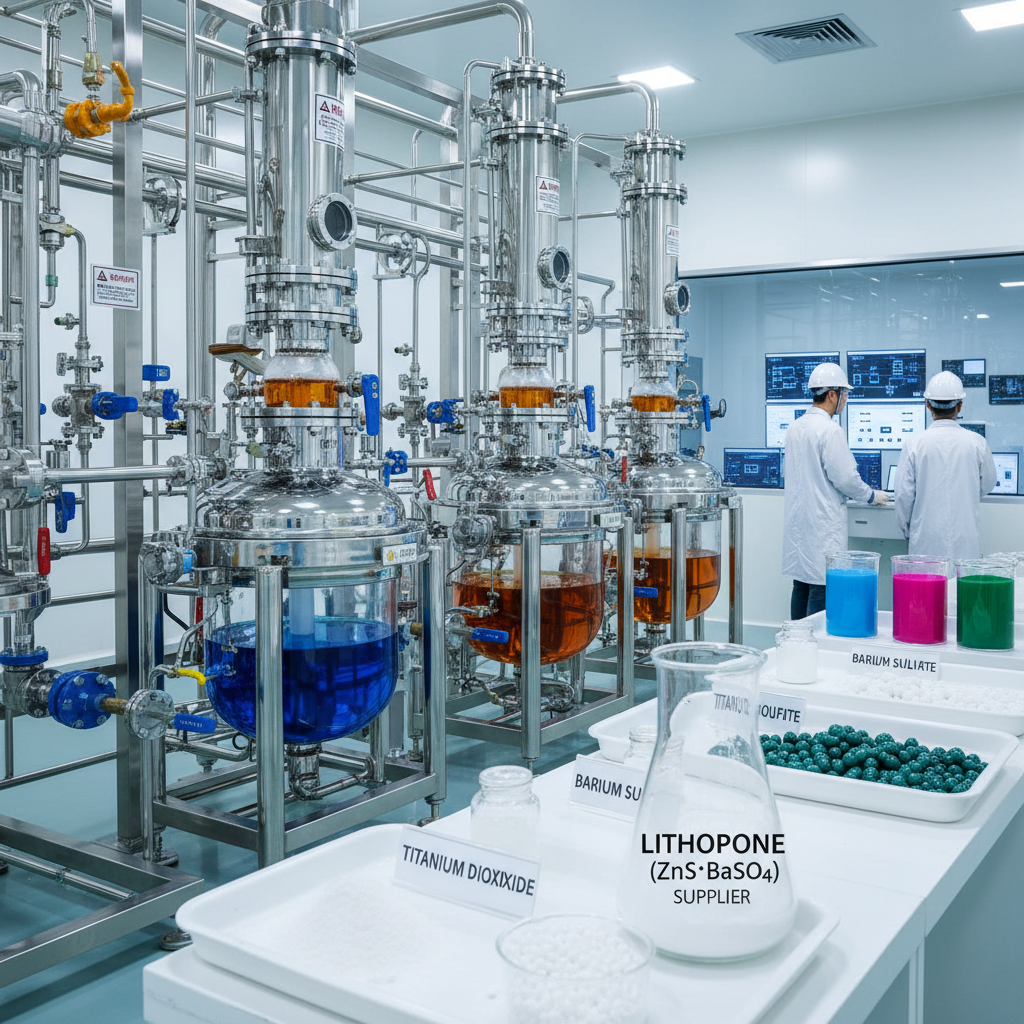
The Chemical Composition: Decoding ZnS·BaSO₄
Lithopone's chemical formula, ZnS·BaSO₄, reveals it's a composite material. It's formed by combining zinc sulfide (ZnS) and barium sulfate (BaSO₄). The ratio of these two compounds is crucial; a typical composition is around 30-50% zinc sulfide and 50-70% barium sulfate. Zinc sulfide contributes to the opacity and brightness, while barium sulfate enhances the pigment's durability and resistance to chemical attack. The manufacturing process involves the precipitation of these sulfides and sulfates, followed by calcination to achieve the desired particle size and whiteness. Understanding this lithopone chemical formula helps understand its properties.
Lithopone Production Methods: A Brief Overview
The production of lithopone generally follows a precipitation method. Zinc sulfate and barium sulfide are reacted in a controlled environment, leading to the formation of zinc sulfide and barium sulfate precipitates. These precipitates are then filtered, washed, and calcined at high temperatures to remove excess water and achieve the desired particle size distribution and whiteness. Modern production techniques often incorporate additives to improve dispersion, brightness, and other characteristics. Different manufacturers may employ variations in their processes, impacting the final product's quality and performance. Therefore, selecting a reputable lithopone supplier is essential.
Key Takeaway: Lithopone's unique combination of zinc sulfide and barium sulfate provides a balance of opacity, durability, and cost-effectiveness.
Key Applications of Lithopone: Where it Excels
Historically, lithopone served as a cost-effective alternative to titanium dioxide. While its usage has decreased with the widespread availability of titanium dioxide, it still finds application in several areas. These include: paints (particularly emulsion paints), plastics (especially PVC), paper coating, printing inks, and rubber manufacturing. Its opacity and whiteness make it suitable for these applications. However, it’s important to note that lithopone generally has lower hiding power and weather resistance than titanium dioxide. A reliable lithopone supplier can provide detailed specifications regarding its performance characteristics.
Choosing the Right Lithopone Supplier: Factors to Consider
Selecting a dependable lithopone supplier is crucial for ensuring consistent quality, timely delivery, and competitive pricing. Key factors to consider include: the supplier’s reputation and experience, their quality control procedures, their ability to provide technical support, and their logistics capabilities. Look for suppliers with certifications like ISO 9001, which demonstrates their commitment to quality management. Requesting samples for testing is highly recommended before placing a large order. CQ Titanium Dioxide offers high quality products and excellent customer support.
Conclusion: Sourcing Lithopone for Your Needs
Lithopone, despite being a historically significant pigment, still holds value in specific applications. Understanding its chemical formula and production process is key to utilizing it effectively. However, the success of any application hinges on sourcing high-quality lithopone from a reputable supplier. CQ Titanium Dioxide is dedicated to providing superior lithopone and titanium dioxide products, backed by exceptional customer service.
Frequently Asked Questions (FAQs)
What are the primary differences between lithopone and titanium dioxide?
Titanium dioxide (TiO₂) generally offers superior hiding power, brightness, and weather resistance compared to lithopone. TiO₂ is more chemically stable and less prone to discoloration. However, lithopone is typically less expensive than TiO₂, making it a viable option for applications where these premium properties are not essential. The chemical formula differences directly impact these performance characteristics. Ultimately, the choice depends on the specific requirements of the application and budgetary constraints.
Is lithopone environmentally friendly?
The environmental impact of lithopone is a complex issue. Barium compounds can be toxic, and proper handling and disposal are crucial. Compared to the production of titanium dioxide, the lithopone manufacturing process generally involves less energy consumption. However, the presence of barium sulfate requires careful consideration regarding waste management and potential environmental contamination. Responsible lithopone suppliers will adhere to strict environmental regulations.
What industries still commonly use lithopone today?
While its use has decreased, lithopone remains prevalent in certain industries. It's frequently used in the production of PVC plastics, particularly in applications where cost is a significant factor. It also continues to be utilized in some paints, particularly emulsion paints for interior applications, and in certain types of printing inks and paper coatings. Rubber manufacturing is another area where lithopone finds ongoing application.
How should lithopone be stored to maintain its quality?
Lithopone should be stored in a cool, dry, and well-ventilated area, away from direct sunlight and moisture. Exposure to these elements can degrade the pigment’s quality and performance. It’s best to store it in tightly sealed containers to prevent contamination. Avoid storing it near strong acids or alkalis, as these can react with the pigment. Following proper storage guidelines will ensure the lithopone retains its desired properties for a longer period.
-
Why Rutile Titanium Dioxide is the Preferred Choice for Automotive Finishes
NewsApr.17,2026
-
Utilizing Anatase Titanium Dioxide for Inks and Specialized Printing Media
NewsApr.17,2026
-
The Science of Reflection: How Titanium Dioxide White Pigment Defines Modern Paints
NewsApr.17,2026
-
The Role of Coated Titanium Dioxide in High-Performance Exterior Coatings
NewsApr.17,2026
-
Enhancing Structural Longevity: Titanium Dioxide for Concrete and Masonry
NewsApr.17,2026
-
Comparing the Optical Efficiency of Rutile and Anatase Titanium Dioxide
NewsApr.17,2026