

फरवरी . 13, 2026 09:53 सूची पर वापस जाएं
The Ultimate Guide to Titanium Dioxide for Paint Applications: Performance and Benefits
In the modern world of industrial chemistry, few materials have revolutionized the aesthetics and longevity of our built environment as profoundly as titanium dioxide. As the "king of white pigments," this inorganic compound has become the cornerstone of high-performance finishes. From the gleaming white facades of skyscrapers to the vibrant, fade-resistant hues of automotive finishes, the strategic use of a titanium dioxide product is what determines whether a coating will merely cover a surface or truly protect and enhance it.
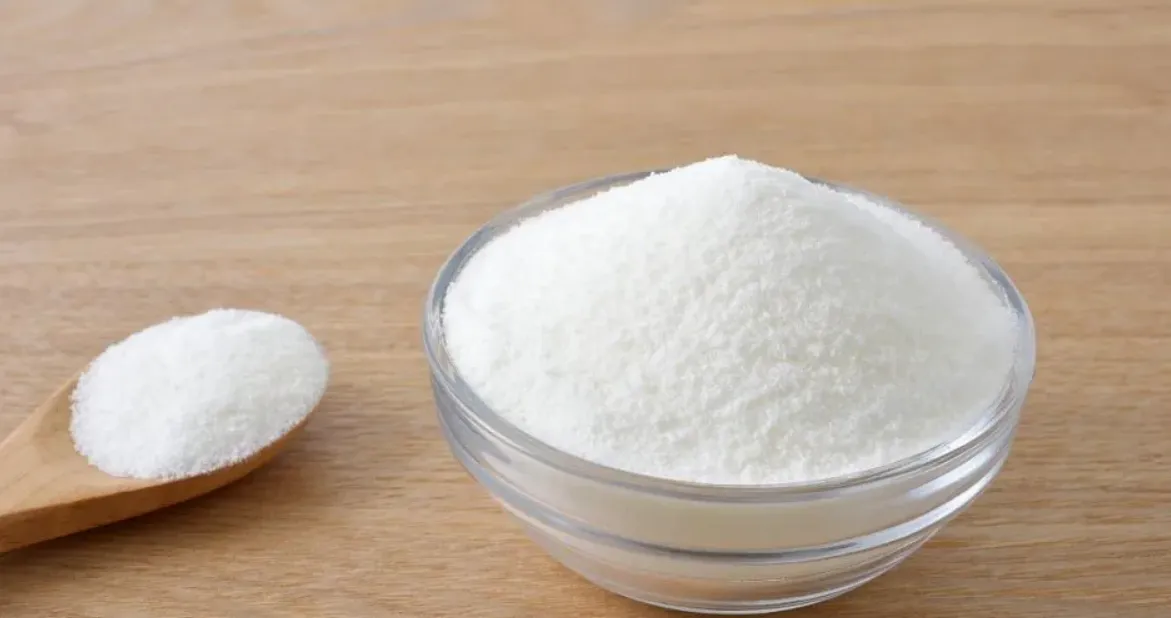
Unmatched Opacity and Hiding Power of Titanium Dioxide for Paint
The primary reason manufacturers prioritize titanium dioxide for paint over any other pigment is its extraordinary refractive index. In the world of optics, the ability of a material to bend and scatter light determines how "opaque" or "hiding" a paint film will be. Titanium dioxide possesses a refractive index of approximately 2.7, which is higher than that of a diamond.
When light hits a paint film containing finely dispersed TiO₂ particles, the light is scattered so effectively that the underlying substrate becomes invisible. This high "hiding power" allows for the creation of paints that require fewer coats to achieve full coverage. For professional painters and DIY enthusiasts alike, this translates to significant savings in both labor and material costs. Without the light-scattering efficiency of a high-grade titanium dioxide product, white paints would appear translucent or "watery," requiring multiple layers to hide a dark primer or a previous color.
Technical Superiority of Titanium Dioxide Rutile in Modern Coatings
While titanium dioxide exists in several crystalline forms, the industry recognizes titanium dioxide rutile as the gold standard for high-performance coatings. Compared to its counterpart, anatase, the rutile structure is more densely packed, leading to a higher refractive index and superior chemical stability.
The molecular structure of rutile makes it far more effective at absorbing and dissipating ultraviolet (UV) radiation. In exterior applications, this is a critical distinction. While anatase might be suitable for indoor papers or certain catalysts, it lacks the "weatherability" required for architectural or industrial paints. Titanium dioxide rutile acts as a sacrificial shield, protecting the polymer binder of the paint from photodegradation. By absorbing UV rays before they can break the chemical bonds of the resin, rutile prevents the common issues of "chalking"—the white, powdery residue found on old, degraded paint—and ensures that the coating remains structurally sound for years.
The Role of Coating Titanium Dioxide in Enhancing Surface Durability
Beyond the base crystal structure, the performance of a pigment is often defined by its surface treatment. The process of coating titanium dioxide particles with thin layers of inorganic oxides—such as silica, alumina, or zirconia—is what transforms a raw mineral into a sophisticated industrial additive.
These specialized coatings serve several vital functions. First, they improve the "dispersibility" of the pigment. In a liquid paint system, particles have a natural tendency to clump together or "agglomerate." Surface treatments ensure that the particles remain evenly spaced throughout the medium, maximizing light scattering and ensuring a smooth, glossy finish. Second, coating titanium dioxide provides a barrier that prevents the TiO₂ itself from reacting with the paint's resin. This chemical inertness is essential for maintaining the "tint retention" of the paint, ensuring that soft pastels and deep colors do not shift or fade over time due to internal chemical reactions.
Identifying the Best Quality Titanium Dioxide for Specialized Needs
For a formulation to be successful, choosing the best quality titanium dioxide involves more than just selecting the highest purity. It requires an understanding of particle size distribution and manufacturing processes. The chloride process, for instance, generally yields pigments with a tighter particle size range and higher brightness compared to the older sulfate process.
The ideal particle size for visible light scattering is approximately 280 nanometers—roughly half the wavelength of visible light. When a manufacturer achieves this "sweet spot" consistently, the result is a pigment with maximum "tinting strength." This means that even a small amount of the pigment can turn a large volume of clear resin into a brilliantly white, opaque coating. For high-end automotive topcoats or aerospace applications, the best quality titanium dioxide is one that balances this optical efficiency with extreme durability and ease of incorporation into complex chemical binders.
रंजातु डाइऑक्साइड: Sustainability and Economic Benefits of High-Performance Pigments
In the context of modern environmental standards, the efficiency of titanium dioxide for paint plays a subtle but powerful role in sustainability. Because high-performance TiO₂ allows for "one-coat" coverage, it reduces the total volume of paint needed for a project. This, in turn, lowers the carbon footprint associated with manufacturing, transporting, and applying coatings.
Furthermore, the longevity provided by titanium dioxide rutile means that structures do not need to be repainted as frequently. In industrial settings, where repainting involves significant downtime and logistical challenges (such as on bridges or oil rigs), the durability provided by a premium titanium dioxide product offers a massive return on investment. By extending the service life of the coating, TiO₂ reduces the total consumption of resources over the life cycle of the infrastructure.
रंजातु डाइऑक्साइड: Achieving Architectural Brilliance with Strategic Pigmentation
In architectural design, color accuracy is paramount. Whether it is a "cool roof" coating designed to reflect solar heat or a high-gloss interior trim, the quality of the white base dictates the final outcome. A superior coating titanium dioxide ensures that the "undertone" of the paint is neutral. Inferior grades may have a yellowish or grayish cast that ruins the intended color palette.
By utilizing a high-performance titanium dioxide product, formulators can also achieve specific "sheen" levels. From ultra-matte finishes to high-mirror gloss, the particle engineering of the TiO₂ determines how light interacts with the surface texture. This versatility is why titanium dioxide remains the most widely researched and utilized pigment in the global coatings market, with no viable alternative capable of matching its refractive power and protective qualities.
-
Why Rutile Titanium Dioxide is the Preferred Choice for Automotive Finishes
समाचारApr.17,2026
-
Utilizing Anatase Titanium Dioxide for Inks and Specialized Printing Media
समाचारApr.17,2026
-
The Science of Reflection: How Titanium Dioxide White Pigment Defines Modern Paints
समाचारApr.17,2026
-
The Role of Coated Titanium Dioxide in High-Performance Exterior Coatings
समाचारApr.17,2026
-
Enhancing Structural Longevity: Titanium Dioxide for Concrete and Masonry
समाचारApr.17,2026
-
Comparing the Optical Efficiency of Rutile and Anatase Titanium Dioxide
समाचारApr.17,2026