

Mai . 22, 2026 09:33 Retour à la liste
Rutile vs. Anatase: Choosing the Right Titanium Dioxide for Plastics
The global plastics industry relies heavily on the optical performance and structural protection provided by high-quality pigments. At the heart of this sector lies a fundamental choice between two distinct crystalline forms of the same mineral: rutile titanium dioxide and anatase titanium dioxide. While both share the same chemical formula (TiO2), their internal atomic arrangements lead to vastly different behaviors when embedded in polymer matrices. For manufacturers, understanding these nuances is not merely a matter of aesthetics but a critical decision that affects the longevity, processability, and marketability of the final plastic product.
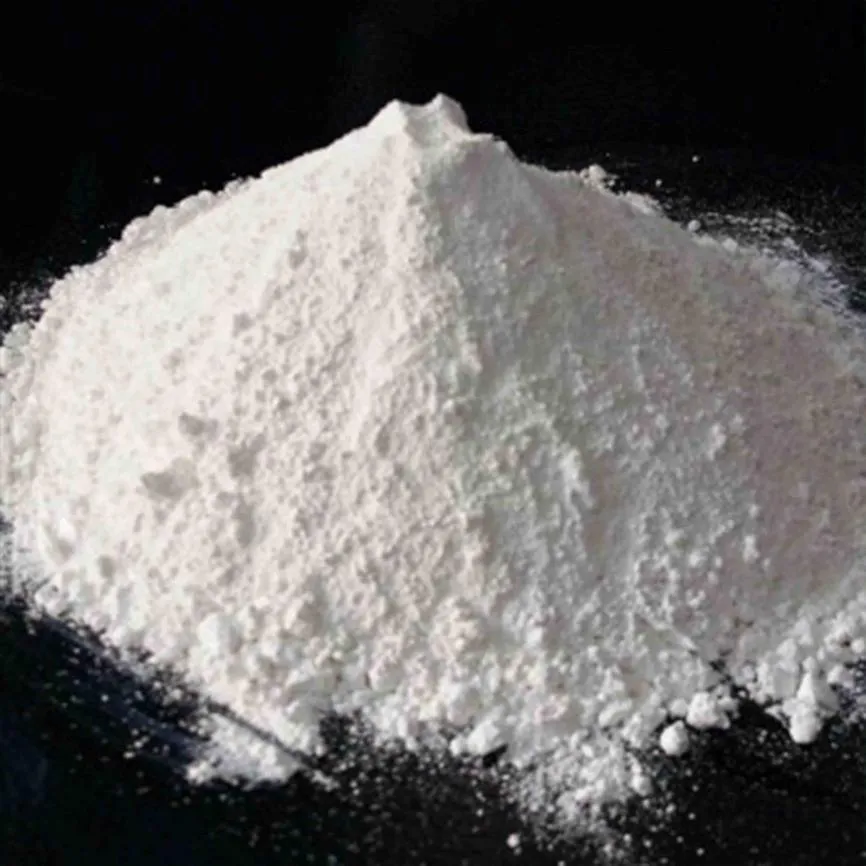
The Structural Divergence of Dioxyde de titane rutile and Anatase
To appreciate why one form is often preferred over the other, one must examine the lattice structure of the crystals. Rutile titanium dioxide possesses a more compact, dense atomic arrangement compared to its anatase counterpart. This density translates directly into a higher refractive index, which is the primary metric for determining how effectively a pigment can scatter light and provide opacity. In practical terms, this means that rutile can achieve the same level of "hide" or coverage with a lower loading percentage, making it an efficient choice for high-performance applications.
Conversely, anatase titanium dioxide features a more open crystalline structure. While it lacks the extreme refractive power of rutile, it offers a specific type of "bluish" undertone that is highly sought after in certain niche markets. However, the open structure of anatase also makes it more photo-chemically active. When exposed to ultraviolet radiation, anatase can act as a catalyst, accelerating the breakdown of the surrounding plastic polymer. This characteristic often restricts its use to indoor applications or products with a short lifecycle where long-term weather resistance is not a primary engineering requirement.
Optimizing Performance with Titanium Dioxide for Plastics
The selection of titanium dioxide for plastics is rarely a binary choice between raw minerals; it is about selecting a engineered system designed for specific resin types. Whether working with polyolefins, PVC, or engineering plastics like ABS, the pigment must be able to withstand the high temperatures of extrusion and injection molding without degrading or causing the polymer to yellow. The heat stability of the pigment is a cornerstone of modern plastic compounding, ensuring that the vibrant white or opaque base remains consistent from the pellet to the finished part.
In the production of thin films, such as those used in food packaging or agricultural mulch, the dispersion of titanium dioxide for plastics must be absolute. Any microscopic clusters or "agglomerates" can lead to "fish-eyes" or holes in the film, compromising the barrier properties of the material. Therefore, suppliers often provide these pigments with specialized organic surface treatments that improve their "wettability" within the plastic melt. These treatments allow the pigment particles to spread evenly, ensuring that the protective qualities of the TiO2 are distributed throughout the entire molecular structure of the plastic.
The Role of Titanium Dioxide Plastic Pigment in UV Protection
Beyond simple coloration, a high-quality titanium dioxide plastic pigment acts as a powerful functional additive. In the plastics world, UV degradation is a constant threat that leads to brittleness, loss of mechanical strength, and surface chalking. Rutile grades are particularly adept at absorbing and scattering UV light before it can reach the polymer chains. This sacrificial protection is why rutile is the standard for outdoor furniture, window profiles, and automotive components.
The "chalking" phenomenon is a perfect example of the difference between the two forms. When a titanium dioxide plastic pigment is photo-active, it breaks down the binder at the surface, leaving a white, powdery residue. Because anatase is more prone to this activity, it is generally avoided for any application that will see significant sunlight. Rutile, especially when coated with inorganic layers like silica or alumina, provides a stable barrier that keeps the surface of the plastic smooth and the color vibrant for years, even under the harsh conditions of tropical or high-altitude environments.
Technical Specifications of Titanium Dioxide Industrial Grade
When sourcing materials, procurement teams must look at the specific titanium dioxide industrial grade to ensure it meets the mechanical requirements of their machinery. Different grades offer different levels of "oil absorption" and "tint strength." For example, a grade with low oil absorption will allow for higher pigment loading in masterbatches without making the melt too viscous to process. This is essential for masterbatch producers who need to create highly concentrated pellets for downstream manufacturers.
Furthermore, the titanium dioxide industrial grade determines the ease of cleaning and the wear-and-tear on the processing equipment. Pure TiO2 is abrasive; however, the surface treatments applied to industrial grades act as a lubricant, reducing the friction between the pigment and the metal surfaces of the extruder. This not only extends the life of the machinery but also reduces the energy consumption of the plant. By choosing a grade that is specifically tailored for plastic applications, manufacturers can balance the cost of the raw material with the operational efficiency of their production line.
Le dioxyde de titane: Strategic Handling and Processing for Maximum Opacity
The final quality of a plastic product is often determined in the mixing room. The handling of titanium dioxide industrial grade powders requires precision to avoid moisture pickup, which can cause outgassing and bubbles in the final molded part. Most modern facilities utilize automated feeding systems that introduce the pigment directly into the melt at a controlled rate. This precision ensures that the color remains uniform across different production lots, a factor that is vital for brand consistency in consumer goods.
As the industry moves toward more sustainable practices, the choice of titanium dioxide is also being influenced by the ability to recycle plastics. A well-dispersed, high-quality rutile pigment does not interfere with the mechanical recyclability of the polymer, allowing the material to be ground down and reused in new products. The stability of the rutile crystal ensures that even after multiple heat cycles, the pigment retains its protective and optical properties. This circularity is becoming a major selling point for global manufacturers who are under pressure to reduce their environmental footprint while maintaining the high-performance standards that only titanium dioxide can provide.
Ceci est le dernier article
-
Rutile vs. Anatase: Choosing the Right Titanium Dioxide for Plastics
NouvellesMay.22,2026
-
Optimizing Masterbatch Production with High-Performance TiO2 Pigment
NouvellesMay.22,2026
-
The Role of High Purity Titanium Dioxide in Polymer Durability
NouvellesMay.14,2026
-
Optimizing Industrial Coatings with Rutile Titanium Dioxide
NouvellesMay.14,2026
-
Improving Brightness in Paper Industry with Anatase Grade TiO2
NouvellesMay.14,2026
-
Enhancing Opacity in Premium Inks with Titanium Dioxide Pigment
NouvellesMay.14,2026