

Mar . 19, 2026 14:38 Retour à la liste
Enhancing Visual Precision: The Role of Titanium Dioxide in Modern Paper Manufacturing
In the era of high-definition digital printing and luxury packaging, the physical properties of paper have become a critical factor in the consumer experience. Whether it is a premium fashion magazine, a high-end corporate brochure, or a durable pharmaceutical label, the paper substrate must possess exceptional whiteness and a complete lack of transparency. Achieving these characteristics is not merely a matter of refining wood pulp; it is a result of advanced chemical engineering and the strategic integration of a high-performance titanium dioxide product. As the most effective whitening agent known to material science, this inorganic compound has redefined the standards of quality in the global paper sector.
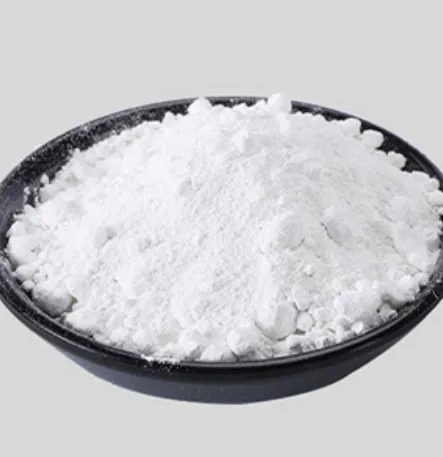
The Optical Mechanics of Titanium Dioxide in the Paper Industry
The primary reason for the dominance of titanium dioxide in the paper industry lies in its unprecedented ability to scatter visible light. Paper is essentially a network of cellulose fibers, which naturally possess a certain level of transparency. Without an opacifying agent, light would pass through the sheet, causing "show-through"—the distracting phenomenon where text or images from the reverse side are visible.
By incorporating this mineral into the paper matrix, manufacturers create a multitude of light-scattering centers. Due to its exceptionally high refractive index, the pigment reflects nearly all incident light back to the observer’s eye. This creates a surface that is not only intensely white but also perfectly opaque, even in very low-basis-weight papers. For the publishing industry, this means that thinner, lighter papers can be used without compromising the legibility of the content, leading to significant savings in postal and shipping costs while maintaining a premium feel.
Technical Integration of Titanium Dioxide for Paper Making Processes
The application of this pigment occurs at two distinct stages of the manufacturing cycle. Initially, titanium dioxide for paper making is added directly to the "wet end" of the paper machine, where it is mixed with the pulp slurry. In this "internal loading" phase, the pigment particles must be carefully retained within the fiber network using specialized retention aids. This ensures that the opacity is uniform throughout the entire thickness of the sheet, providing a solid foundation for any subsequent printing or coating.
However, the most significant optical gains are often achieved during the "size press" or coating stage. Here, a concentrated dispersion of the pigment is applied to the surface of the dried paper. This surface application fills the microscopic voids between the cellulose fibers, creating a smooth, non-porous surface that is ideal for high-resolution ink absorption. By focusing on the unremitting pursuit of better dispersion technology, chemical engineers have developed grades that prevent the pigment from settling or clumping, ensuring that the paper surface remains flawlessly consistent across thousands of meters of production.
The Significance of High-Purity Titanium Dioxide Powder in Specialized Grades
For decorative laminates and high-pressure laminates used in furniture manufacturing, the quality of the titanium dioxide powder used is of paramount importance. These papers are saturated with resins and subjected to extreme heat and pressure. Under such conditions, lower-quality pigments might undergo a color shift or lose their opacity.
Advanced titanium dioxide powder grades are engineered to be photochemically stable, ensuring that the brilliant white or vibrant colored patterns of a kitchen countertop or office desk do not fade when exposed to sunlight over many years. This level of stability requires a deep understanding of surface treatment chemistry, where the pigment particles are encapsulated in a protective layer of inorganic oxides. This technological research and development allows the paper industry to explore diverse international markets, providing durable and aesthetically pleasing materials that meet the rigorous demands of the modern interior design sector.
Navigating the Global Logistics and Titanium Dioxide Pigment Price Trends
For large-scale paper mills, the procurement of raw materials is a strategic operation that requires constant monitoring of the titanium dioxide pigment price. As a globally traded commodity, the cost of this pigment is influenced by a variety of factors, including the availability of titanium ore, energy costs in major manufacturing hubs like China, and the fluctuating demands of the construction and automotive sectors.
Maintaining a stable market relation with a reliable supplier is essential for paper manufacturers who need to forecast their production costs accurately. While the titanium dioxide pigment price may experience periods of volatility, the long-term value provided by the pigment—in terms of reduced fiber consumption and enhanced product value—makes it an indispensable investment. Industry leaders who adhere to the principles of integrity and market orientation are often better positioned to navigate these price cycles, ensuring a steady supply of high-quality pigments to regions spanning from Europe to Southeast Asia and beyond.
Advancements in Coating Titanium Dioxide for High-Speed Printing
As printing technology moves toward high-speed inkjet and laser systems, the demands on the paper surface have intensified. Modern coating titanium dioxide is designed to interact specifically with specialized inks to prevent "feathering" and "bleeding." By creating a microporous surface structure, the pigment allows the liquid carrier of the ink to be absorbed quickly while keeping the colorant on the very surface of the paper.
This results in prints with sharper edges, deeper blacks, and more vivid colors. Furthermore, the use of coating titanium dioxide improves the "snap" or brightness of the paper, which is essential for high-end photography and advertising materials. This synergy between chemical science and printing technology is a testament to the unremitting pursuit of excellence within the industry. By providing personalized customized services, chemical manufacturers can help paper mills develop bespoke grades that are optimized for specific printing platforms, helping them stay competitive in a rapidly evolving digital landscape.
-
Why Rutile Titanium Dioxide is the Preferred Choice for Automotive Finishes
NouvellesApr.17,2026
-
Utilizing Anatase Titanium Dioxide for Inks and Specialized Printing Media
NouvellesApr.17,2026
-
The Science of Reflection: How Titanium Dioxide White Pigment Defines Modern Paints
NouvellesApr.17,2026
-
The Role of Coated Titanium Dioxide in High-Performance Exterior Coatings
NouvellesApr.17,2026
-
Enhancing Structural Longevity: Titanium Dioxide for Concrete and Masonry
NouvellesApr.17,2026
-
Comparing the Optical Efficiency of Rutile and Anatase Titanium Dioxide
NouvellesApr.17,2026