

крас . 08, 2026 15:24 Вярнуцца да спісу
The Crucial Role Of Titanium Dioxide In Protecting Modern Architectural And Industrial Coatings
In the world of high-performance surface protection, the relentless energy of the sun is perhaps the most formidable adversary. Ultraviolet (UV) radiation is a constant force that threatens to degrade the aesthetic and structural integrity of everything it touches, from the siding of a residential home to the massive steel structures of a city bridge. To combat this invisible threat, the chemical industry has turned to a remarkable mineral compound that serves as a silent guardian for surfaces worldwide. The integration of titanium dioxide in coatings has revolutionized the way we preserve our built environment, providing a level of defense that allows colors to stay vibrant and materials to remain strong for decades.
This mineral, often referred to as the "king of pigments," is valued not just for its ability to provide a clean, brilliant white, but for its functional capacity to interact with light. When manufacturers incorporate this specialized chemical titanium dioxide into their formulas, they are doing much more than adjusting the hue. They are building a molecular shield. This shield works by absorbing and scattering harmful UV rays before they can reach the delicate resin binders that hold the paint together. Without this protection, the very glue that keeps a coating attached to a surface would become brittle and fail, leading to the common sights of peeling, cracking, and "chalking" that plague untreated materials.
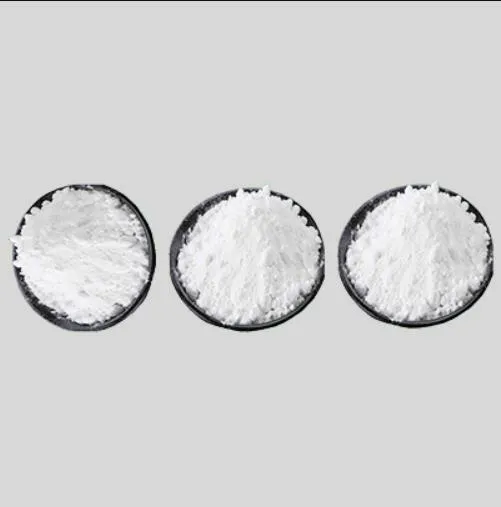
Preserving Color Vibrancy And Gloss With Advanced Coatings Titanium Dioxide
One of the most immediate benefits of using high-quality coatings titanium dioxide is the preservation of visual appeal. For a homeowner or a commercial property manager, the appearance of a building is a significant investment. UV radiation is notorious for breaking down the chemical bonds in colored pigments, causing once-vibrant reds, blues, and yellows to fade into dull, washed-out shades. By reflecting a vast majority of the solar spectrum, titanium dioxide ensures that the energy from the sun is redirected away from the colorants. This allows a freshly painted facade to maintain its "new" look far longer than was possible with older generation coatings.
Beyond just color, the retention of gloss is a key indicator of a coating’s health. A high-gloss finish provides a sleek, professional appearance, but it is also the first thing to disappear when UV damage sets in. As the sun’s rays attack the surface layer, it creates microscopic pits and irregularities that scatter light in every direction, resulting in a matte, chalky finish. The inclusion of coating titanium dioxide acts as a sacrificial and reflective barrier that maintains the smoothness of the surface. In premium automotive finishes and high-end architectural paints, this characteristic is essential for providing that signature deep shine that resists the dulling effects of years of sun exposure.
Extending The Structural Life Of Infrastructure Through Chemical Titanium Dioxide
In the realm of heavy industry and civil engineering, the stakes of UV protection are much higher than mere aesthetics. Infrastructure such as bridges, storage tanks, and offshore platforms are subjected to some of the harshest environments on Earth. Here, the use of chemical titanium dioxide is a matter of structural longevity and safety. When the sun breaks down an industrial coating, it exposes the underlying metal to oxygen and moisture, which leads to rapid corrosion. By preventing the degradation of the protective film, titanium dioxide indirectly prevents the onset of rust and structural decay.
This protective quality is particularly vital for the renewable energy sector. Wind turbine blades, for example, are exposed to intense UV levels at high altitudes while being subjected to significant mechanical stress. The specialized coatings applied to these blades must remain flexible and intact to prevent the composite materials from delaminating. Manufacturers rely on the UV-blocking properties of titanium dioxide powder to ensure that these multi-million dollar assets continue to operate efficiently for their intended 20-to-25-year lifespans. By reducing the frequency of maintenance and repainting cycles, this pigment provides a massive economic benefit to the global infrastructure network.
The Practical Versatility Of Titanium Dioxide Powder In Specialized Surface Treatments
The application of titanium dioxide powder is not limited to liquid paints; it has found a home in a wide variety of specialized surface treatments, including powder coatings and plastic extrusions. In the world of powder coatings—commonly used for metal furniture, window frames, and appliance housings—the pigment is baked directly into the finish. This creates a highly durable, UV-resistant layer that is much tougher than traditional air-dried paints. Because the pigment is distributed evenly throughout the thickness of the coating, even if the surface suffers minor scratches, the UV protection remains consistent.
Furthermore, the versatility of coating titanium dioxide allows for the creation of "cool roofs" and heat-reflective surfaces. Because this mineral is so effective at reflecting the infrared spectrum (which carries heat) alongside the UV spectrum, it can significantly lower the surface temperature of a building. This "cool roof" technology is a major trend in sustainable architecture, as it reduces the energy needed for air conditioning and helps mitigate the urban heat island effect. In this context, the pigment is performing a dual role: it protects the roof membrane from sun damage while simultaneously acting as a passive cooling system for the occupants inside.
Ensuring Sustainable Protection With Modern Titanium Dioxide In Coatings
As we look toward the future of the coatings industry, the emphasis is shifting toward sustainability and long-term performance. The modern manufacturing of titanium dioxide in coatings has become increasingly sophisticated, focusing on the development of "weather-stable" grades that are specifically engineered for maximum outdoor endurance. These advanced pigments are often treated with a microscopic layer of silica or alumina, which prevents the titanium dioxide itself from reacting with the paint resin when exposed to moisture. This ensures that the pigment provides all the benefits of UV reflection without any of the potential side effects.
Ultimately, the choice of a high-performance chemical titanium dioxide is a choice for durability. Whether it is protecting a backyard fence or a skyscraper, the goal remains the same: to create a barrier that stands up to the elements. As global temperatures rise and solar intensity becomes a greater concern for material scientists, the role of this white powder will only become more central to the industry. It remains the most effective, reliable, and versatile tool in our arsenal to ensure that the surfaces of our world stay bright, beautiful, and structurally sound under the heat of the sun.
-
Why Rutile Titanium Dioxide is the Preferred Choice for Automotive Finishes
НавіныApr.17,2026
-
Utilizing Anatase Titanium Dioxide for Inks and Specialized Printing Media
НавіныApr.17,2026
-
The Science of Reflection: How Titanium Dioxide White Pigment Defines Modern Paints
НавіныApr.17,2026
-
The Role of Coated Titanium Dioxide in High-Performance Exterior Coatings
НавіныApr.17,2026
-
Enhancing Structural Longevity: Titanium Dioxide for Concrete and Masonry
НавіныApr.17,2026
-
Comparing the Optical Efficiency of Rutile and Anatase Titanium Dioxide
НавіныApr.17,2026