

крас . 13, 2026 15:05 Вярнуцца да спісу
Rutile Titanium Dioxide for Rubber and Tire Manufacturing
In the high-performance world of automotive engineering and industrial rubber production, the aesthetic and structural integrity of a product often depends on a silent but powerful additive. While rubber is naturally associated with dark, utilitarian tones, the modern market demands a spectrum of colors, high-visibility safety features, and, most importantly, extreme resistance to environmental degradation. This is where rutile titanium dioxide for sale becomes a critical asset for manufacturers. As a premium white pigment with an exceptional refractive index, rutile titanium dioxide serves as the primary "whitening" and "shielding" agent in the rubber industry. Its application transforms raw elastomers into vibrant, durable, and sun-resistant products that can withstand the rigors of the road and the laboratory alike.
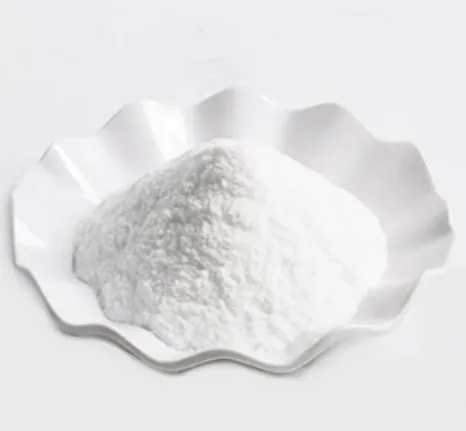
The Role of Rutile Titanium Dioxide for Rubber Aesthetics
When we think of rubber, we often visualize the deep black of a standard tire, but the rubber industry encompasses a vast array of colored and white goods, from medical tubing and household floor mats to athletic shoe soles and designer automotive trim. Achieving a crisp, stable white in these products requires the best pigment rutile titanium dioxide. Unlike other forms of titanium dioxide, the rutile crystalline structure is prized for its superior opacity. This means that even at relatively low loading levels, the pigment can mask the natural brownish or yellowish tint of raw rubber, providing a clean, professional finish that appeals to consumers.
For a rutile titanium dioxide manufacturer, the challenge is to produce a pigment that disperses evenly within the thick, viscous environment of a rubber mill. Poor dispersion leads to streaks or "hot spots" of color, which can ruin the visual appeal of high-end consumer goods. By integrating high-quality rutile grades, manufacturers can ensure that white sidewalls on classic tires or the bright colors of industrial gaskets remain vivid throughout the product's lifespan. This aesthetic stability is a key selling point for premium rubber goods that must maintain a "brand new" look despite heavy use.
Enhancing Performance with Titanium Dioxide for Tires
The automotive tire industry is perhaps the most demanding consumer of advanced chemical additives. While the bulk of a tire is composed of carbon black for strength and conductivity, the specialized segments—such as decorative white sidewalls, brand lettering, and racing tire markings—rely heavily on titanium dioxide for tires. In these applications, the pigment does more than just provide color; it acts as a vital protective barrier. Tires are constantly exposed to the "triple threat" of the environment: intense UV radiation, fluctuating temperatures, and atmospheric ozone.
Without the protective qualities of titanium dioxide for tires, the white sections of a tire would quickly turn yellow, become brittle, and eventually crack. The rutile pigment acts as a physical shield, reflecting harmful ultraviolet rays away from the polymer matrix. This prevents "photo-oxidation," a process where the sun’s energy breaks down the molecular chains of the rubber. By preserving the flexibility and elasticity of the sidewall, the pigment ensures that the tire remains safe and structurally sound for thousands of miles. This fusion of beauty and brawn is why the most respected tire brands in the world prioritize sourcing the highest grade of rutile pigment for their production lines.
Titanium Dioxide Powder’s Durability and Weathering Resistance in Industrial Rubber
Beyond the automotive sector, titanium dioxide for rubber is a staple in the production of architectural membranes, dock fenders, and outdoor cable insulation. These industrial products are expected to live outdoors for decades, facing rain, salt spray, and constant sunlight. A leading rutile titanium dioxide manufacturer focuses on surface-treating the pigment to make it chemically inert, ensuring it does not react with the vulcanization chemicals or the antioxidants present in the rubber formula.
This chemical neutrality is essential for long-term weathering resistance. When titanium dioxide for rubber is properly integrated, it helps the rubber maintain its tensile strength and "compression set"—its ability to return to its original shape after being squeezed. In applications like window seals for skyscrapers or gaskets for solar panels, the pigment's ability to block UV light ensures that the rubber does not "chalk" or shed layers of degraded material. This longevity reduces maintenance costs for end-users and enhances the overall sustainability of the infrastructure, as the rubber components need to be replaced far less frequently.
The Global Search for Rutile Titanium Dioxide for Sale
For procurement managers in the rubber industry, finding the right rutile titanium dioxide for sale is a strategic operation. Because rubber compounding is a sensitive process, consistency is the most valued trait in a supplier. A minor shift in the particle size or the surface treatment of the pigment can alter the "scorch" time of the rubber—the speed at which it begins to harden during manufacturing. This is why manufacturers often establish long-term partnerships with a trusted rutile titanium dioxide manufacturer who can guarantee batch-to-batch uniformity.
The market for rutile titanium dioxide for sale is driven by the need for multi-functional additives. Today’s rubber chemists are looking for pigments that offer "easy-wetting" properties, allowing them to be incorporated into the rubber mix quickly with minimal energy consumption. This efficiency not only lowers production costs but also reduces the carbon footprint of the factory. As the global rubber industry pivots toward more eco-friendly and high-performance materials, the demand for specialized rutile grades that can work in harmony with bio-based or recycled rubbers is reaching an all-time high.
Why Rutile is Considered the Best Pigment Rutile Titanium Dioxide
In the hierarchy of white pigments, the rutile form is undisputed as the best pigment rutile titanium dioxide for outdoor and heavy-duty applications. Its higher refractive index compared to the anatase form means it has much higher "hiding power," allowing for thinner coatings or lower concentrations in bulk rubber. This is particularly important in the production of thin rubber films or latex products, where maintaining the physical thinness of the material is required without sacrificing its opacity or UV protection.
Furthermore, the rutile crystal is more thermally stable. During the vulcanization process, rubber is often subjected to high heat and pressure. The best pigment rutile titanium dioxide can withstand these temperatures without changing color or losing its reflective properties. This reliability gives designers the confidence to use white and light colors in environments—such as engine compartments or industrial machinery—where heat would typically cause other pigments to fail. From the sole of a sneaker to the specialized components of a heavy-duty conveyor belt, the brilliance and resilience of rutile titanium dioxide remain the gold standard for the industry.
-
Why Rutile Titanium Dioxide is the Preferred Choice for Automotive Finishes
НавіныApr.17,2026
-
Utilizing Anatase Titanium Dioxide for Inks and Specialized Printing Media
НавіныApr.17,2026
-
The Science of Reflection: How Titanium Dioxide White Pigment Defines Modern Paints
НавіныApr.17,2026
-
The Role of Coated Titanium Dioxide in High-Performance Exterior Coatings
НавіныApr.17,2026
-
Enhancing Structural Longevity: Titanium Dioxide for Concrete and Masonry
НавіныApr.17,2026
-
Comparing the Optical Efficiency of Rutile and Anatase Titanium Dioxide
НавіныApr.17,2026