

Des . 12, 2025 20:10 Terug na lys
Using Titanium Dioxide Dye for Vibrant Plastic Products
Vibrant, long-lasting color is a make-or-break factor for plastic products—from consumer goods (toys, household containers) to industrial components (automotive parts, packaging). At the heart of achieving this vibrancy, while ensuring durability, is titanium dioxide dye—an industrial-grade pigment that enhances color saturation, opacity, and resistance to fading. Unlike basic pigments, specialized variants like buff titanium dioxide (for warm, earthy tones) and coated titanium dioxide (for improved dispersibility) are tailored to plastic processing demands, making them indispensable for manufacturers aiming to create eye-catching yet durable products. Hebei Caiqing Material Technology Co., Ltd., a leading titanium dioxide supplier since 2005 (with an annual output of 100,000 tons), provides high-quality titanium dioxide dye and related products (including rutile CR-930 and anatase BA01-01 series) to wholesalers serving global plastic markets. For wholesalers, partnering with Caiqing means accessing reliable, plastic-specific pigments—backed by the company’s export reach (to Southeast Asia, Africa, the Middle East, etc.) and commitment to cold resistance, dispersibility, and coverage.
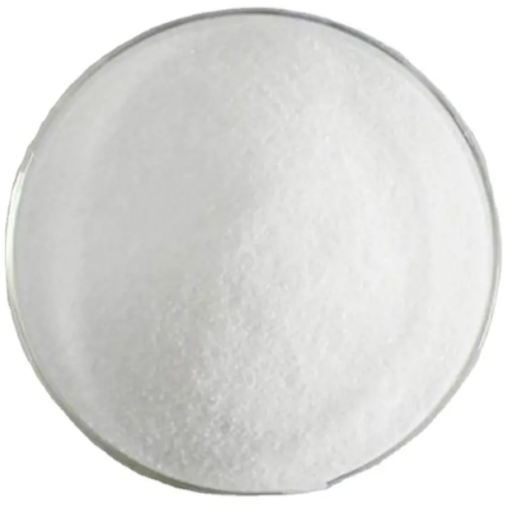
Enhancing Color Vibrancy in Consumer Plastic Products with Titanium Dioxide Dye
- Boosting Saturation Without Fading: Consumer plastics (e.g., children’s toys, colorful storage bins) need bright, consistent colors that resist fading from sunlight or frequent use. Titanium dioxide dye acts as a color enhancer, intensifying hues while blocking UV rays that cause discoloration. Caiqing’s titanium dioxide dye is formulated for high lightfastness—ensuring plastic products retain their vibrancy for years, even in outdoor or high-traffic settings. A wholesaler supplying plastic toy manufacturers in India reported that Caiqing’s pigment helped their clients create toys with 50% less fading compared to lower-quality dyes, reducing product returns and boosting brand loyalty. Wholesalers should highlight this color stability, as it directly impacts the appeal and lifespan of consumer plastic goods.
- Achieving Uniform Color Distribution: Uneven color (streaks, splotches) ruins the aesthetic of plastic products. Coated titanium dioxide—a variant with a protective surface treatment—improves dispersibility in plastic melts, ensuring the pigment mixes evenly with resins (e.g., PP, PE, ABS) during extrusion or injection molding. This eliminates color inconsistencies, even in complex plastic shapes (e.g., intricate toy parts, textured containers). A wholesaler serving African household goods brands noted that coated titanium dioxide from Caiqing reduced color-related defects by 70%, letting manufacturers streamline production and cut waste. Wholesalers can frame this as an “efficiency driver,” appealing to plastic makers focused on consistent quality.
Tailoring Warm Tones in Industrial Plastics with Buff Titanium Dioxide
|
Plastic Application |
Key Role of Buff Titanium Dioxide |
Advantage Over Standard Titanium Dioxide Dye |
Caiqing Product Fit |
|
Automotive Interior Trim |
Creates warm beige/brown tones; resists heat from sunlight |
No yellowing in high temperatures; matches interior aesthetics |
Rutile CR-930 Series (with buff tint) |
|
Garden Plastic Furniture |
Delivers earthy, weather-resistant hues (terracotta, sand) |
Withstands rain/UV; no color leaching |
Coated Buff Titanium Dioxide |
|
Food-Grade Storage Containers |
Provides soft, neutral tones (cream, off-white); food-safe |
Non-toxic; compatible with food-contact plastic resins |
Anatase BA01-01 Series (buff variant) |
Improving Processing & Durability in Industrial Plastics with Coated Titanium Dioxide
- Reducing Wear on Plastic Machinery: Plastic processing equipment (extruders, molds) faces wear from abrasive pigments, which can increase maintenance costs. Coated titanium dioxide has a smooth, low-abrasion surface that minimizes friction against machinery parts, extending their lifespan. Caiqing’s coated titanium dioxide also resists clumping in plastic melts, preventing blockages in molds or extruder nozzles—critical for high-volume industrial production (e.g., automotive plastic components, large storage drums). A wholesaler supplying Russian automotive plastic manufacturers reported that Caiqing’s coated pigment reduced machinery wear by 30%, cutting maintenance downtime and costs. Wholesalers should emphasize this equipment protection, as it directly lowers production expenses for industrial clients.
- Enhancing Impact Resistance in Plastics: Industrial plastics (e.g., shipping crates, construction site barriers) need to withstand impacts without cracking—coated titanium dioxide reinforces plastic structures while maintaining color. The coating on the pigment improves adhesion to resin molecules, creating a stronger plastic matrix that resists damage. Unlike uncoated pigments, which can weaken plastics, Caiqing’s coated titanium dioxide ensures durability doesn’t come at the cost of color or strength. A wholesaler serving Middle Eastern construction plastic suppliers noted that plastics with Caiqing’s coated pigment had 40% better impact resistance, making them suitable for heavy-duty applications.
Ensuring Food Safety & Compliance with Titanium Dioxide Dye
- Meeting Global Food-Contact Standards: Plastic products for food storage (containers, utensils) require pigments that are non-toxic and compliant with regulations (e.g., FDA, EU 10/2011). Caiqing’s titanium dioxide dye (including food-grade buff titanium dioxide variants) undergoes strict purity testing—free from heavy metals or harmful impurities, making it safe for direct food contact. This compliance is critical for wholesalers serving food-packaging clients, as non-compliant pigments can lead to product recalls or legal issues. A wholesaler supplying Southeast Asian food container manufacturers reported that Caiqing’s food-grade pigment helped their clients meet international standards, opening up export opportunities to Europe and North America.
- Maintaining Color Stability in Food-Contact Plastics: Food plastics are often exposed to heat (microwaves, dishwashers) and harsh detergents, which can fade or alter colors. Titanium dioxide dye from Caiqing retains its color stability even in these conditions—ensuring food containers remain visually appealing despite repeated use. A wholesaler serving Indian kitchenware brands noted that plastics with Caiqing’s pigment retained their color after 500+ dishwasher cycles, outperforming competitors and boosting consumer trust.
Titanium Dioxide Dye FAQS
Can Titanium Dioxide Dye Be Used in All Types of Plastic Resins?
Yes—Caiqing’s titanium dioxide dye (and variants like buff titanium dioxide) is compatible with all common plastic resins, including PP, PE, ABS, PVC, and PET. The pigment’s dispersibility (enhanced in coated titanium dioxide) ensures it mixes well with both thermoplastics (for injection molding) and thermosets (for rigid plastics). A wholesaler supplying multi-resin plastic manufacturers in Africa reported that Caiqing’s pigment worked seamlessly across their product lines, eliminating the need to stock multiple dyes. Wholesalers should confirm this versatility, as it simplifies inventory for plastic clients.
Is Buff Titanium Dioxide Suitable for Outdoor Plastic Products?
Absolutely—buff titanium dioxide from Caiqing is formulated with UV resistance (like the rutile CR-930 series), making it ideal for outdoor plastics (e.g., garden furniture, patio containers). It resists fading from sunlight and doesn’t leach color in rain, ensuring warm earthy tones remain consistent for 3–5 years. A wholesaler supplying Middle Eastern outdoor furniture brands noted that buff titanium dioxide helped their clients create products that retained their terracotta/sand hues even in intense desert sun.
How Much Coated Titanium Dioxide Is Needed Per Ton of Plastic Resin?
Typically, 0.5–2% by weight of coated titanium dioxide is needed for plastic resins—Caiqing’s high-coverage pigment lets clients use the lower end (0.5–1%) for light tones and the higher end (1–2%) for deeper, more vibrant colors. This is 20–30% less than uncoated pigments, reducing costs. A wholesaler supplying Indian plastic packaging clients reported that Caiqing’s coated titanium dioxide let their customers make 15% more product per ton of pigment, boosting profit margins.
Is Titanium Dioxide Dye Safe for Children’s Plastic Toys?
Yes—Caiqing’s titanium dioxide dye meets global toy safety standards (e.g., EN 71-3, ASTM F963), with no harmful heavy metals or toxins. It’s non-leaching, even when toys are chewed or exposed to saliva, making it safe for children of all ages. A wholesaler supplying Southeast Asian toy manufacturers noted that Caiqing’s pigment helped their clients pass strict safety audits, expanding their market reach to Europe and the US.
Can Coated Titanium Dioxide Improve the Heat Resistance of Plastics?
While coated titanium dioxide doesn’t directly increase a plastic’s melting point, it does enhance heat stability—preventing color change or degradation when plastics are exposed to high temperatures (e.g., automotive interiors in summer, microwave-safe containers). The coating on the pigment acts as a barrier, protecting the dye from heat-induced breakdown. A wholesaler supplying Russian automotive plastic clients reported that plastics with Caiqing’s coated titanium dioxide retained their color at temperatures up to 80°C, outperforming uncoated alternatives.
-
Why Rutile Titanium Dioxide is the Preferred Choice for Automotive Finishes
NuusApr.17,2026
-
Utilizing Anatase Titanium Dioxide for Inks and Specialized Printing Media
NuusApr.17,2026
-
The Science of Reflection: How Titanium Dioxide White Pigment Defines Modern Paints
NuusApr.17,2026
-
The Role of Coated Titanium Dioxide in High-Performance Exterior Coatings
NuusApr.17,2026
-
Enhancing Structural Longevity: Titanium Dioxide for Concrete and Masonry
NuusApr.17,2026
-
Comparing the Optical Efficiency of Rutile and Anatase Titanium Dioxide
NuusApr.17,2026