

Mar . 10, 2026 01:45 Back to list
Comprehensive Guide to the Chemical Formula of Lithopone Manufacturer
Chemical Formula of Lithopone Manufacturer: A Comprehensive Guide
Lithopone, a historically significant white pigment, is a mixture of zinc sulfide (ZnS) and barium sulfate (BaSO₄). Understanding its chemical formula and manufacturing process is crucial for industries utilizing it in paints, plastics, and paper. This article provides an in-depth look at lithopone's composition, production methods, applications, and the role of leading manufacturers like CQ Titanium Dioxide. We will explore the intricacies of producing high-quality lithopone and its relevance in today's market.
Understanding the Chemical Formula of Lithopone
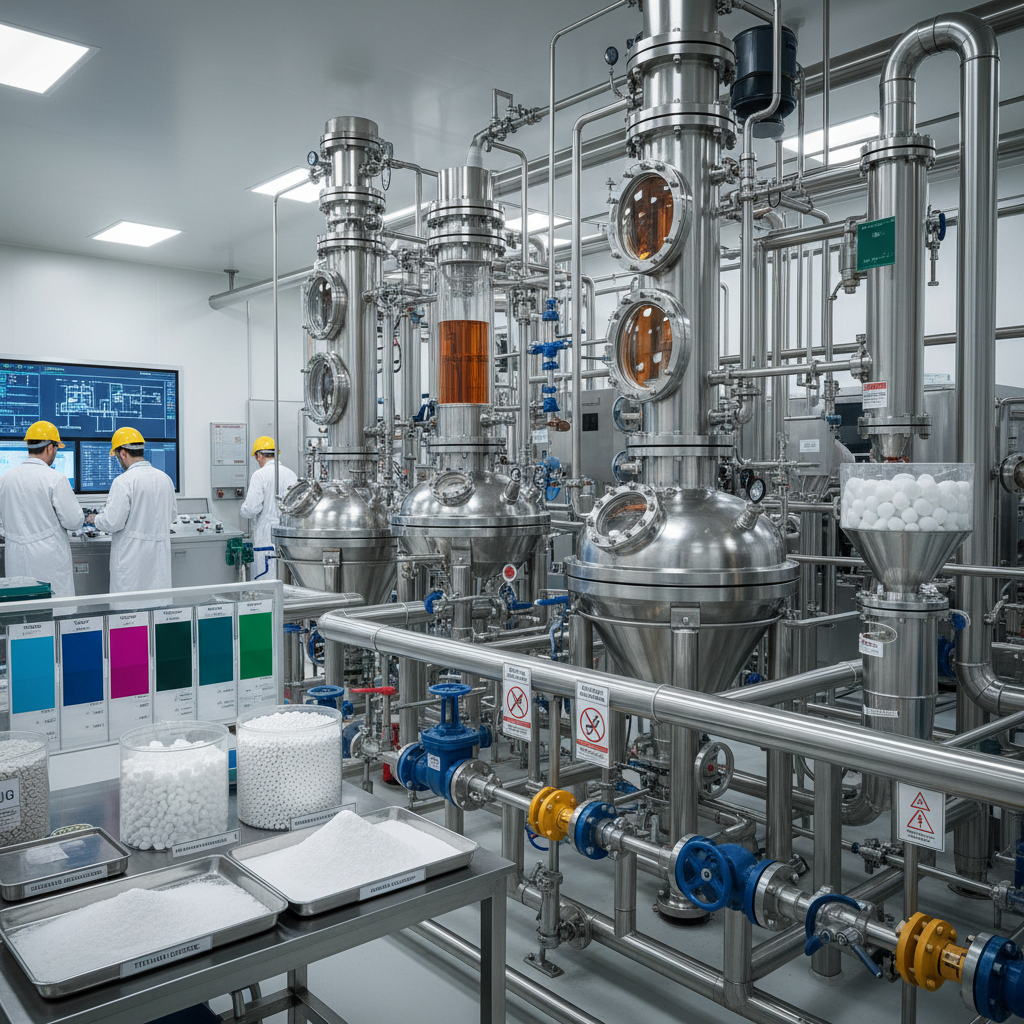
The chemical formula of lithopone isn't a single compound but rather a specific ratio of ZnS and BaSO₄. Typically, this ratio is around 30-50% ZnS and 50-70% BaSO₄. The ZnS component provides the white pigment properties, while the BaSO₄ acts as a filler, improving opacity and reducing cost. The combination results in a pigment with good hiding power, although less brilliant than titanium dioxide. The manufacturing process heavily influences the particle size and distribution of both components, ultimately affecting the pigment's performance characteristics. Precise control of this formulation is critical for meeting application-specific requirements.
Key Components: ZnS provides whiteness and opacity; BaSO₄ functions as a filler and enhances hiding power.
Manufacturing Processes for Lithopone Production
The production of lithopone involves a chemical reaction between zinc sulfate (ZnSO₄), barium sulfide (BaS), and a reducing agent. Traditionally, this process used a precipitation method, but modern techniques often employ hydrothermal synthesis for better control over particle size and morphology. CQ Titanium Dioxide utilizes advanced manufacturing processes to ensure consistent quality and purity. The reaction is carefully monitored to maintain the desired ZnS:BaSO₄ ratio and prevent unwanted by-products. Following the reaction, the product undergoes washing, filtering, drying, and grinding to achieve the final pigment form.
Manufacturing Process Overview:
• Reaction of Zinc Sulfate and Barium Sulfide
• Hydrothermal Synthesis or Precipitation
• Washing, Filtering, Drying, and Grinding
Lithopone: A Comparative Analysis with Other White Pigments
While titanium dioxide (TiO₂) has largely replaced lithopone in many applications due to its superior brightness and hiding power, lithopone still holds a niche in specific areas where cost is a major factor. Compared to calcium carbonate (CaCO₃), lithopone offers better opacity but lower brightness than TiO₂. Its lower refractive index contributes to less light scattering than TiO₂, resulting in a slightly duller appearance. Manufacturers like CQ Titanium Dioxide continuously refine lithopone production to optimize its performance characteristics.
Applications of Lithopone in Various Industries
Lithopone finds application in industries where cost-effectiveness is paramount, without sacrificing acceptable levels of opacity. It’s commonly used in plastic manufacturing, particularly in PVC applications, to provide whiteness and reduce costs. In the paper industry, it serves as a filler and coating pigment. While its use in paints has decreased with the prevalence of TiO₂, it’s still employed in certain decorative coatings and primers. CQ Titanium Dioxide provides lithopone grades tailored to these diverse applications.
Quality Control and Specifications of Lithopone from CQ Titanium Dioxide
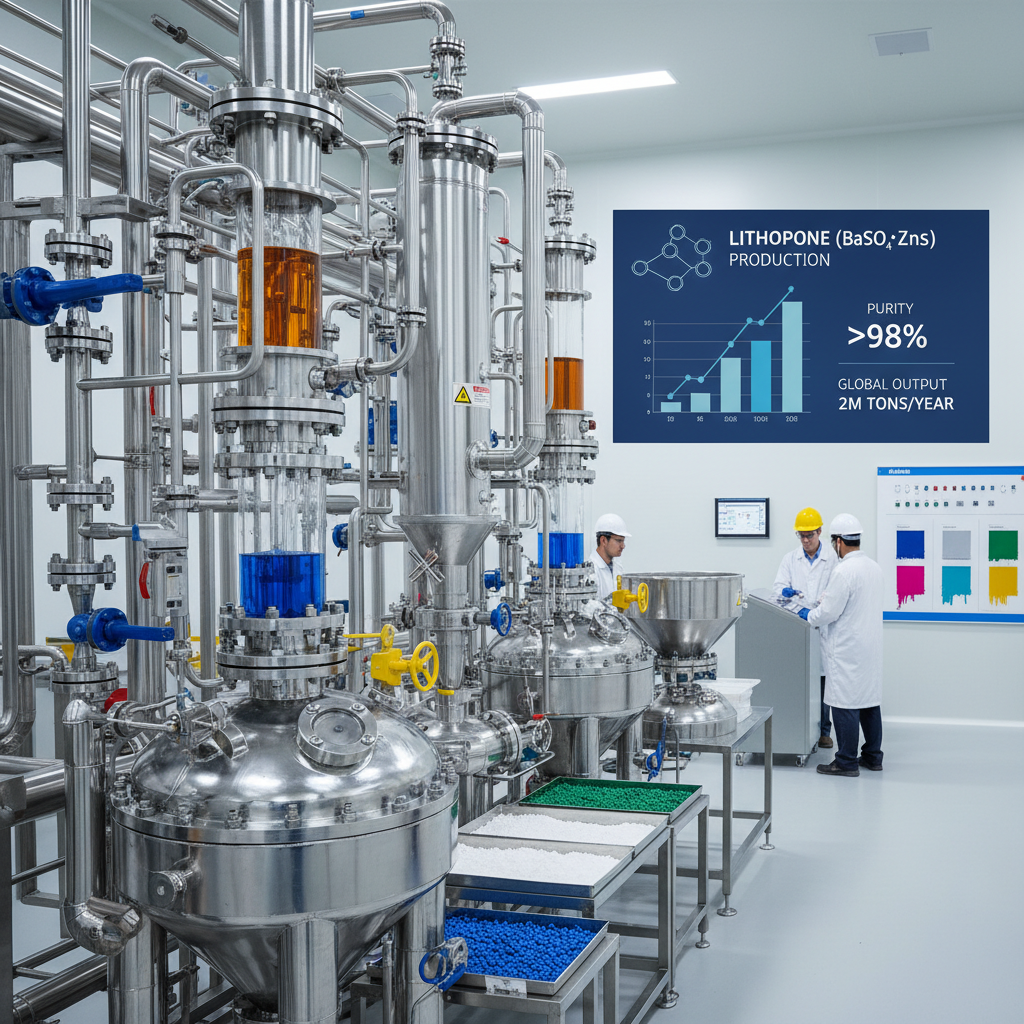
At CQ Titanium Dioxide, we maintain stringent quality control standards throughout the lithopone manufacturing process. Our products adhere to international standards and undergo rigorous testing for particle size distribution, whiteness, oil absorption, and chemical purity. We offer various grades of lithopone tailored to specific customer needs. Here's a brief overview of our standard specifications:
Conclusion: CQ Titanium Dioxide – Your Reliable Lithopone Partner
For consistent quality, competitive pricing, and dedicated customer support, CQ Titanium Dioxide is your ideal lithopone supplier. We’re committed to providing tailored solutions to meet your specific requirements. Contact us today to learn more about our products and services.
Frequently Asked Questions (FAQs)
What is the primary difference between lithopone and titanium dioxide?
Titanium dioxide (TiO₂) boasts significantly higher refractive index and brightness compared to lithopone. This results in superior hiding power and a brighter white appearance. While lithopone offers acceptable opacity and is more cost-effective, TiO₂ is generally preferred when optimal whiteness and opacity are crucial. Lithopone's lower cost makes it suitable for applications where these premium characteristics aren’t as important. Choosing between them depends on the specific performance requirements and budget constraints of the application.
Is lithopone environmentally friendly?
Lithopone’s environmental impact is moderate. Barium compounds, a component of lithopone, require careful handling and disposal to prevent environmental contamination. CQ Titanium Dioxide adheres to strict environmental regulations during manufacturing and encourages responsible use and disposal practices. While not as environmentally benign as some alternatives, responsible production and application minimize its potential impact.
What are the common applications of lithopone in the plastics industry?
Lithopone is frequently used as a white pigment in PVC (polyvinyl chloride) products, offering a cost-effective way to achieve whiteness and opacity. It’s commonly found in PVC pipes, fittings, profiles, and films. While it doesn't provide the same level of brightness as TiO₂, it offers a good balance of performance and cost for certain PVC applications. Its use reduces the reliance on more expensive TiO₂ while maintaining acceptable aesthetic properties.
How does particle size affect the performance of lithopone?
Particle size distribution significantly influences lithopone’s performance. Smaller particle sizes generally lead to higher brightness and better dispersion, improving opacity and hiding power. However, excessively small particles can increase oil absorption. CQ Titanium Dioxide precisely controls particle size during manufacturing to optimize the pigment’s performance characteristics for specific applications. Achieving the optimal particle size is key to maximizing the pigment's effectiveness.
-
Why Rutile Titanium Dioxide is the Preferred Choice for Automotive Finishes
NewsApr.17,2026
-
Utilizing Anatase Titanium Dioxide for Inks and Specialized Printing Media
NewsApr.17,2026
-
The Science of Reflection: How Titanium Dioxide White Pigment Defines Modern Paints
NewsApr.17,2026
-
The Role of Coated Titanium Dioxide in High-Performance Exterior Coatings
NewsApr.17,2026
-
Enhancing Structural Longevity: Titanium Dioxide for Concrete and Masonry
NewsApr.17,2026
-
Comparing the Optical Efficiency of Rutile and Anatase Titanium Dioxide
NewsApr.17,2026