

Feb . 25, 2026 01:45 Back to list
Comprehensive Guide to Titanium Oxide Price Factories and Market Trends
Titanium Oxide Price Factories: A Comprehensive Guide
Understanding the titanium oxide price from factories is crucial for businesses relying on this versatile compound. Titanium dioxide (TiO2) is a widely used pigment, renowned for its brightness and opacity, finding applications in paints, coatings, plastics, paper, and more. Navigating the global market requires awareness of price factors, reputable suppliers, and quality considerations. This article provides a detailed overview of titanium oxide pricing, factory options, and key factors impacting your procurement strategy. We will explore how to identify reliable titanium oxide price factories to ensure consistent quality and competitive rates.
Factors Influencing Titanium Oxide Price
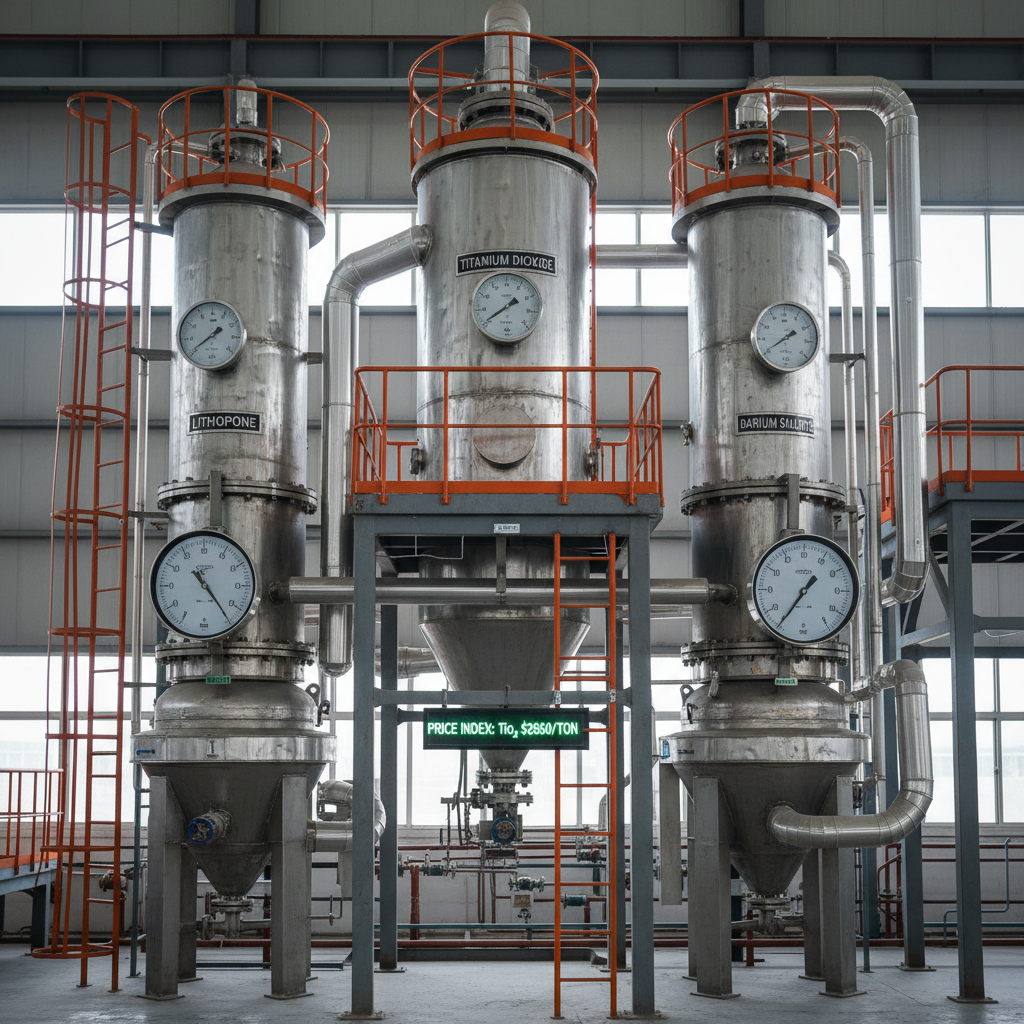
Several key factors contribute to fluctuations in the titanium oxide price. Raw material costs, primarily titanium-bearing ores like ilmenite and rutile, significantly impact production expenses. Energy prices, crucial for the energy-intensive manufacturing process, also play a role. Global supply and demand dynamics, influenced by economic growth in key sectors like construction and automotive, exert considerable pressure. Furthermore, environmental regulations and production limitations in major producing countries (China, Australia, South Africa) can affect availability and price. Geopolitical events and currency exchange rates add another layer of complexity. Understanding these variables allows for more informed purchasing decisions.
Key Price Drivers: Raw material costs, energy prices, global supply & demand, environmental regulations, geopolitical factors.
Types of Titanium Dioxide & Price Variations
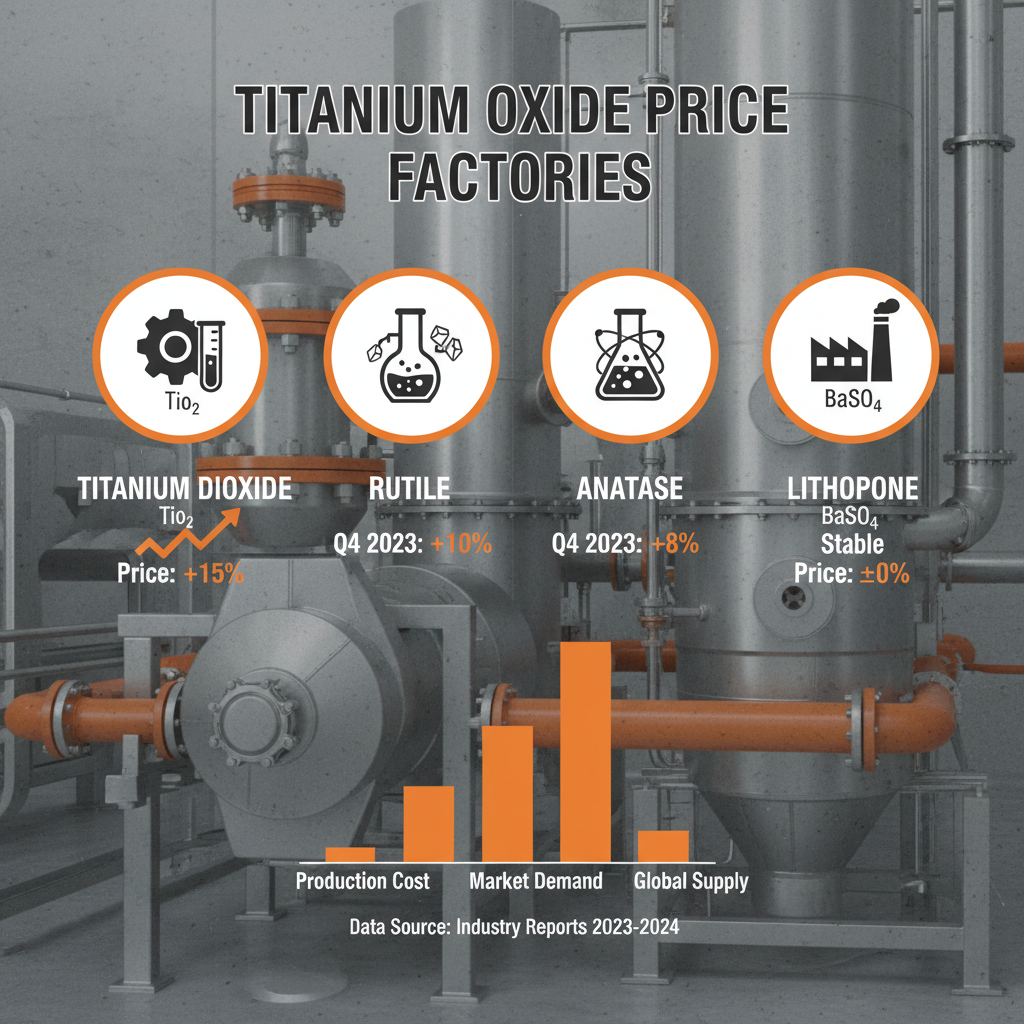
Titanium dioxide exists in several crystalline forms, primarily rutile and anatase. Rutile TiO2 boasts superior opacity, durability, and weather resistance, making it the preferred choice for outdoor applications like paints and coatings. Anatase TiO2, while less expensive, is generally used in applications requiring UV absorption, like plastics and cosmetics. The titanium oxide price varies significantly based on the grade, crystalline form, and surface treatment. Specialty grades, designed for specific applications, command premium prices. Surface treatments, such as silica or alumina coatings, enhance dispersibility, durability, and other performance characteristics, adding to the cost. Generally, rutile TiO2 is more expensive than anatase due to its superior properties and wider range of applications.
TiO2 Grade Comparison:
• Rutile: Higher opacity, durability, & weather resistance (Higher price)
• Anatase: UV absorption, cost-effective (Lower price)
• Specialty Grades: Tailored properties for specific applications (Premium price)
Identifying Reputable Titanium Oxide Price Factories
Sourcing from reliable titanium oxide price factories is paramount. Look for manufacturers with ISO 9001 certification, demonstrating commitment to quality management systems. Verify their production capacity and track record. Request samples for thorough quality testing, including particle size analysis, whiteness, and purity. Assess their environmental compliance and sustainability practices. Transparent pricing structures and willingness to provide detailed product specifications are positive indicators. Consider factories offering custom packaging and logistical support. A well-established factory will readily provide certifications and technical data sheets.
Negotiating the Best Titanium Oxide Price
Effective negotiation is vital for securing a competitive titanium oxide price. Obtain quotes from multiple suppliers to create leverage. Consider long-term contracts for volume discounts. Be clear about your quality requirements and specifications. Explore options for flexible payment terms. Factor in shipping costs and lead times. Building a strong relationship with your supplier can lead to preferential pricing and improved service. Remember that the lowest price isn't always the best value; prioritize quality and reliability alongside cost-effectiveness.
Current Market Trends and Future Outlook
Currently, the titanium dioxide market is experiencing moderate growth, driven by demand from the paints & coatings, plastics, and paper industries. However, recent global economic uncertainties and supply chain disruptions have led to price volatility. Looking ahead, the market is expected to continue growing, particularly with the increasing demand for high-performance coatings and environmentally friendly products. The development of innovative TiO2 grades with enhanced properties is also expected to shape the market. The shift towards sustainable production practices will likely impact prices as manufacturers invest in greener technologies.
Conclusion: Securing Your Titanium Dioxide Supply
Choosing the right titanium oxide price factories requires careful consideration of price, quality, and reliability. By understanding the market dynamics, identifying reputable suppliers, and negotiating effectively, businesses can secure a stable supply of this essential compound at a competitive cost. CQ Titanium Dioxide is a dedicated manufacturer and supplier, and ready to provide consistent quality and competitive pricing.
Frequently Asked Questions (FAQs)
What is the typical lead time for titanium dioxide orders?
Lead times vary depending on the supplier, order volume, and shipping destination. Generally, expect a lead time of 2-4 weeks for standard grades. Larger orders or customized products may require longer lead times. Always confirm the estimated delivery time with your supplier before placing an order. Factors such as port congestion and transportation availability can also impact lead times. Proactive communication with your supplier is key to managing expectations.
What packaging options are available for titanium dioxide?
Titanium dioxide is typically packaged in 25kg bags, FIBC (Flexible Intermediate Bulk Containers) – also known as jumbo bags – and drums. The choice of packaging depends on the order quantity, transportation method, and customer preferences. FIBCs are commonly used for large-volume orders, while bags and drums are suitable for smaller quantities. Suppliers may also offer customized packaging solutions to meet specific requirements. It's important to ensure the packaging is moisture-proof and protects the product during transit.
How should titanium dioxide be stored?
Titanium dioxide should be stored in a cool, dry, and well-ventilated area away from direct sunlight, heat sources, and incompatible materials. Keep the packaging tightly closed to prevent moisture absorption and contamination. Proper storage is crucial to maintain the product's quality and performance characteristics. Avoid stacking bags too high, as this can lead to damage. Always follow the supplier's specific storage recommendations.
What are the common applications of titanium dioxide?
Titanium dioxide's exceptional properties make it a versatile ingredient across various industries. Primarily it's used as a pigment in paints, coatings, plastics, and paper, providing brightness and opacity. It also functions as a UV blocker in sunscreens and cosmetics. Additionally, it's utilized in food coloring, pharmaceuticals, and even in the production of catalysts. Its applications are continually expanding with new technological advancements.
-
Why Rutile Titanium Dioxide is the Preferred Choice for Automotive Finishes
NewsApr.17,2026
-
Utilizing Anatase Titanium Dioxide for Inks and Specialized Printing Media
NewsApr.17,2026
-
The Science of Reflection: How Titanium Dioxide White Pigment Defines Modern Paints
NewsApr.17,2026
-
The Role of Coated Titanium Dioxide in High-Performance Exterior Coatings
NewsApr.17,2026
-
Enhancing Structural Longevity: Titanium Dioxide for Concrete and Masonry
NewsApr.17,2026
-
Comparing the Optical Efficiency of Rutile and Anatase Titanium Dioxide
NewsApr.17,2026