

Mar . 21, 2026 01:45 Back to list
Comprehensive Guide to R996 Titanium Dioxide Paint Manufacturer Selection
R996 Titanium Dioxide Paint Manufacturer: A Comprehensive Guide
Titanium dioxide (TiO2) is a crucial ingredient in the paint industry, renowned for its exceptional whiteness, opacity, and durability. Choosing the right r996 titanium dioxide paint manufacturer is paramount for ensuring high-quality paint products. This article dives deep into the world of R996 TiO2, exploring its properties, applications, manufacturing processes, and factors to consider when selecting a supplier. We'll equip you with the knowledge to make informed decisions for your paint formulations.
Understanding R996 Titanium Dioxide
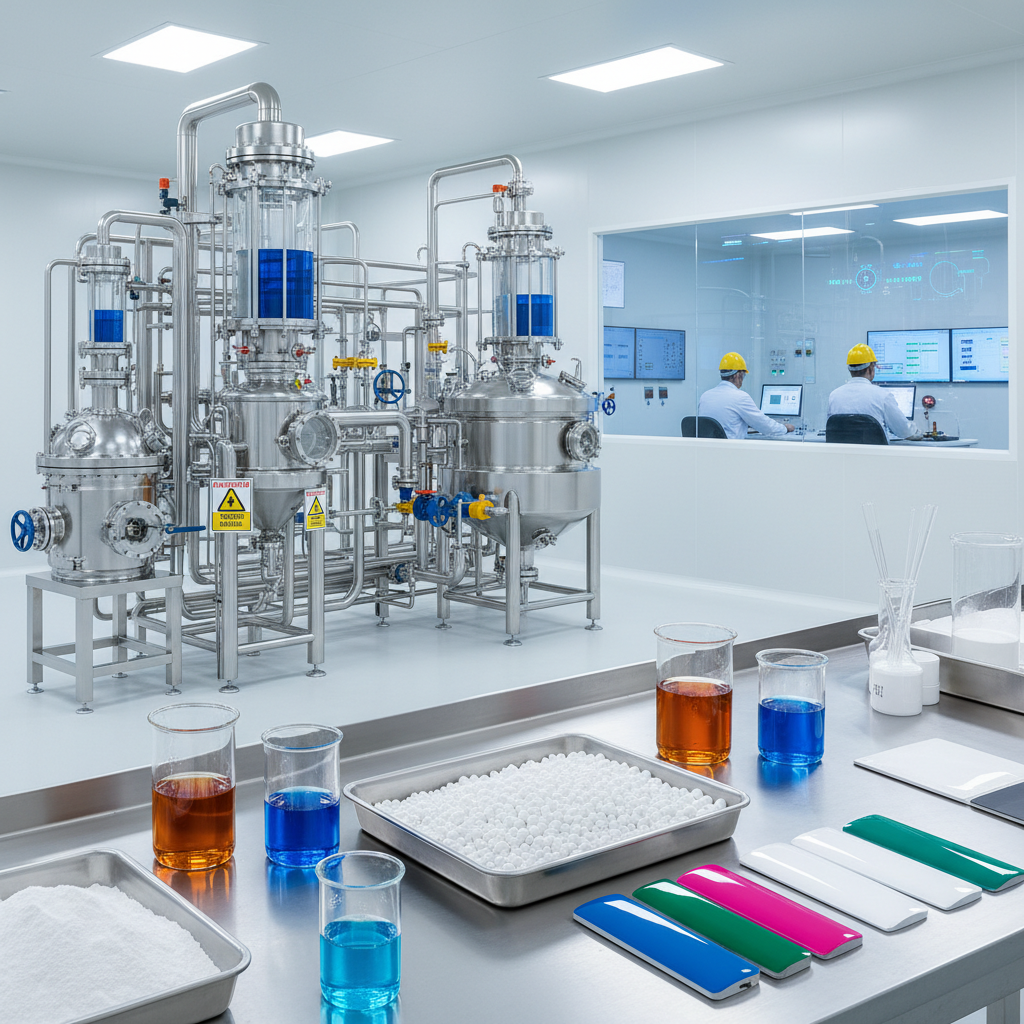
R996 TiO2 is a rutile-grade titanium dioxide pigment, widely used in the production of paints, coatings, plastics, and other applications. Its rutile crystalline structure provides superior light scattering properties, resulting in excellent opacity and brightness. R996 is specifically engineered for use in decorative paints, industrial coatings, and various specialized applications. It offers exceptional weather resistance, UV protection, and chemical stability. Choosing a reputable titanium dioxide supplier ensures consistent quality and performance.
Key Highlights: Superior light scattering properties, excellent opacity and brightness, exceptional weather resistance, and UV protection.
Applications of R996 Titanium Dioxide in Paint Manufacturing
R996 TiO2 is a versatile pigment used in a broad spectrum of paint applications. Its primary function is to provide whiteness and opacity, contributing to the hiding power and color brilliance of the paint film. It’s commonly used in:
- Architectural Paints: Interior and exterior paints for walls, ceilings, and trim.
- Industrial Coatings: Automotive coatings, marine paints, and protective coatings for metal structures.
- Decorative Paints: Artists’ paints, craft paints, and specialty coatings.
- Powder Coatings: Providing durable and aesthetically pleasing finishes.
Benefits in Paint Formulations:
• Enhanced opacity and hiding power
• Improved brightness and whiteness
• Excellent weather resistance and durability
• UV protection to prevent color fading
R996 Titanium Dioxide: Key Specifications & Data
Understanding the technical specifications of R996 TiO2 is crucial for optimizing paint formulations. Here's a typical specification sheet:
Choosing the Right R996 Titanium Dioxide Paint Manufacturer
Selecting a reliable R996 titanium dioxide manufacturer is crucial for consistent product quality and supply chain stability. Consider these factors:
- Quality Control: Look for manufacturers with robust quality control systems and certifications (e.g., ISO 9001).
- Production Capacity: Ensure the manufacturer can meet your volume requirements.
- Technical Support: A good supplier will offer technical assistance with formulation and application.
- Pricing: Compare pricing from multiple suppliers, but don't compromise on quality.
- Reputation: Research the manufacturer’s reputation in the industry.
The Manufacturing Process of R996 Titanium Dioxide
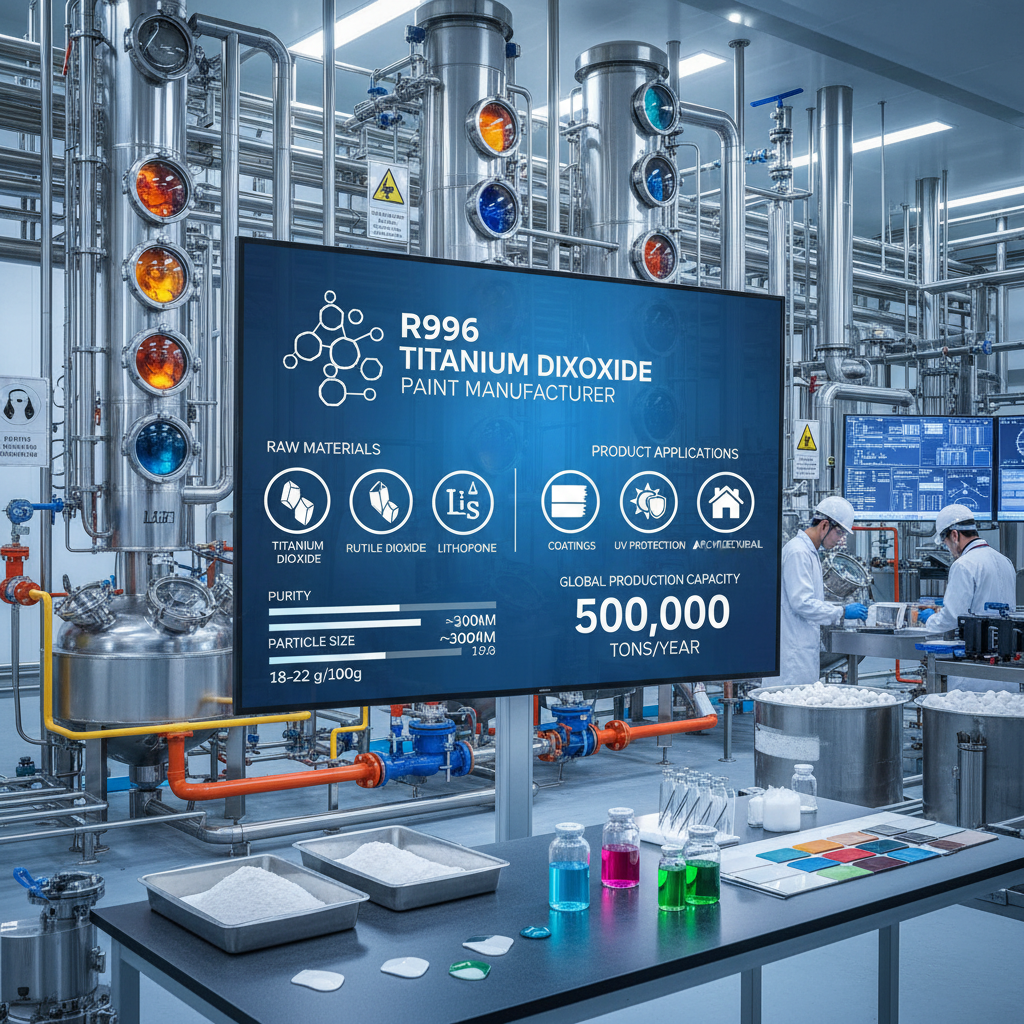
R996 TiO2 is typically produced using either the sulfate process or the chloride process. Both methods involve extracting titanium from its ore and converting it into TiO2 pigment. The chloride process generally produces a higher purity pigment, while the sulfate process is often more cost-effective. Manufacturers employ stringent quality control measures throughout the entire production process, from raw material sourcing to final product packaging.
Conclusion: Partnering with a Reliable TiO2 Manufacturer
Choosing the right R996 titanium dioxide supplier is a critical step in ensuring the quality, performance, and consistency of your paint products. By carefully considering the factors outlined in this article, you can make an informed decision and build a long-term partnership with a trusted manufacturer.
Frequently Asked Questions (FAQs)
What is the difference between rutile and anatase titanium dioxide?
Rutile and anatase are two crystalline forms of titanium dioxide. Rutile TiO2, like R996, has a higher refractive index, resulting in superior opacity and hiding power. It's generally preferred for paints and coatings requiring excellent brightness and durability. Anatase TiO2, while less expensive, offers lower opacity and is often used in applications where UV photocatalytic activity is desired, such as self-cleaning surfaces. The choice between the two depends on the specific application requirements.
How does particle size affect the performance of R996 TiO2?
Particle size plays a significant role in the performance of TiO2. Smaller particle sizes generally lead to higher transparency and better dispersion, while larger particle sizes provide greater opacity and hiding power. The optimal particle size distribution depends on the specific application. R996 TiO2 is engineered with a controlled particle size distribution to achieve a balance between these properties, providing excellent performance in a wide range of paint formulations.
What surface treatments are commonly applied to R996 TiO2?
Surface treatments are applied to R996 TiO2 to enhance its performance characteristics. Common treatments include silica, alumina, and organic coatings. These treatments improve dispersion, reduce agglomeration, enhance compatibility with different binders, and improve weather resistance. The specific surface treatment selected depends on the intended application of the TiO2 pigment.
How should R996 TiO2 be stored to maintain its quality?
R996 TiO2 should be stored in a cool, dry, and well-ventilated area, away from direct sunlight and moisture. Keep the containers tightly sealed to prevent contamination. Proper storage conditions are essential for maintaining the pigment’s quality and preventing degradation.
-
Why Rutile Titanium Dioxide is the Preferred Choice for Automotive Finishes
NewsApr.17,2026
-
Utilizing Anatase Titanium Dioxide for Inks and Specialized Printing Media
NewsApr.17,2026
-
The Science of Reflection: How Titanium Dioxide White Pigment Defines Modern Paints
NewsApr.17,2026
-
The Role of Coated Titanium Dioxide in High-Performance Exterior Coatings
NewsApr.17,2026
-
Enhancing Structural Longevity: Titanium Dioxide for Concrete and Masonry
NewsApr.17,2026
-
Comparing the Optical Efficiency of Rutile and Anatase Titanium Dioxide
NewsApr.17,2026