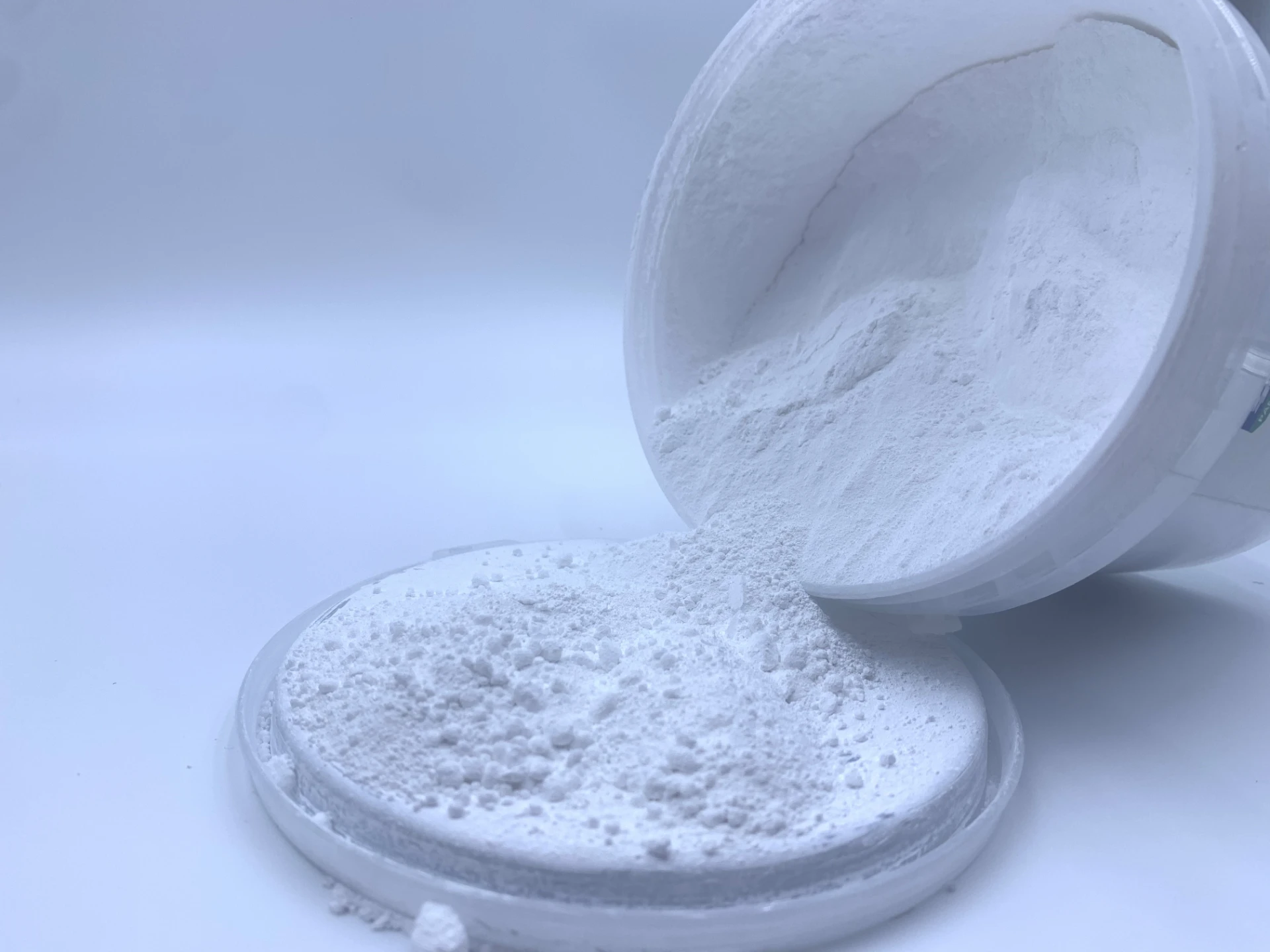
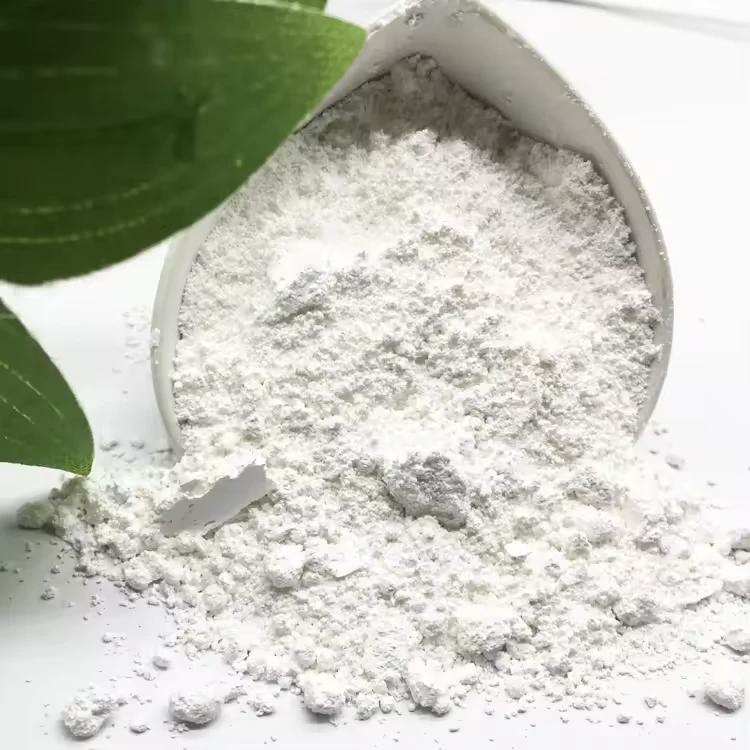
High-Performance rutile titanium dioxide Solutions for Venezuela

Optimizing industrial opacity and durability for the Venezuelan manufacturing sector with premium inorganic salt pigments.

High-Performance rutile titanium dioxide Solutions for Venezuela

Providing industry-leading inorganic chemical raw materials tailored for the unique climatic and industrial demands of the South American market, ensuring maximum brightness and weather resistance.

The Current State of titanium dioxide powder Market in Venezuela

Analyzing the intersection of chemical raw material supply and industrial demand in South America.

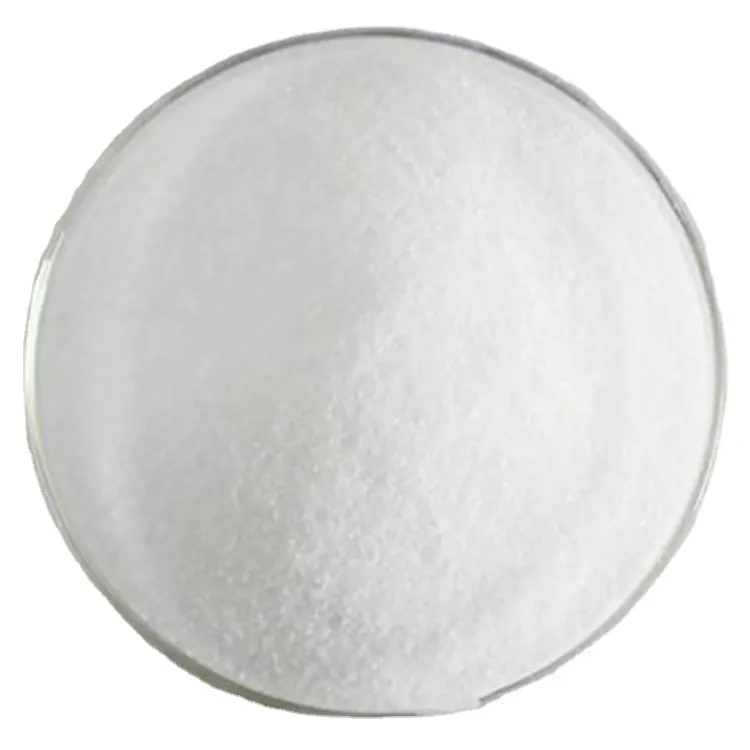
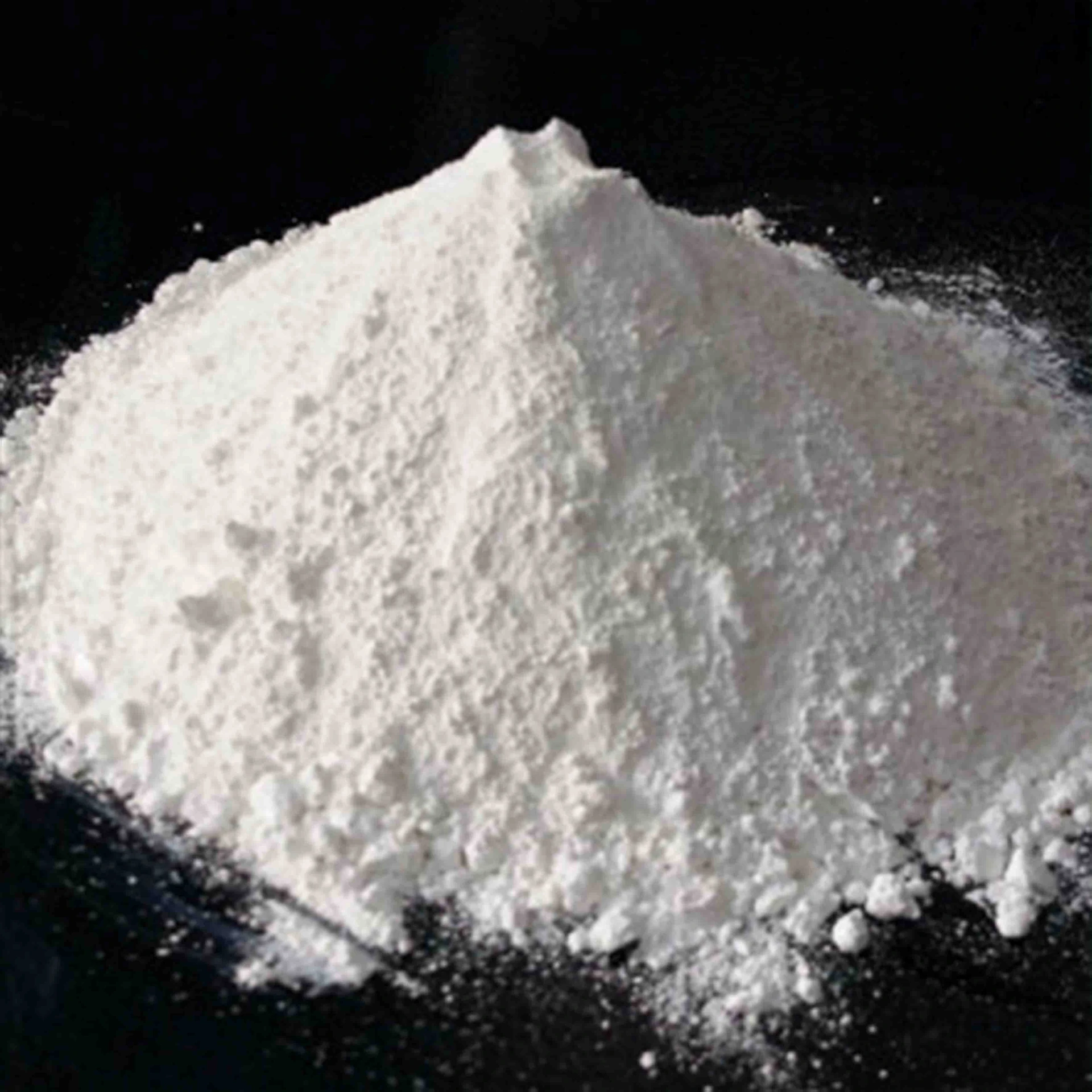
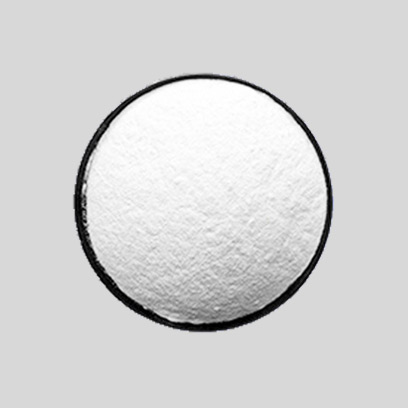
In Venezuela, the demand for high-quality titanium dioxide powder is heavily influenced by the region's intense tropical UV radiation. Local manufacturers in the coatings and plastics sectors require pigments that can withstand extreme heat and humidity to prevent chalking and degradation of the final product.

Currently, the inorganic salt manufacturing landscape in the region faces challenges related to supply chain stability. However, there is a growing shift toward importing specialized titanium dioxide pigments that offer higher hiding power, allowing local factories to reduce material consumption while maintaining product quality.

The market is seeing a distinct preference for imported technical grades that meet international E-E-A-T standards, as Venezuelan industries seek to modernize their output to compete in the wider South American trade bloc, prioritizing stability and chemical purity.
Evolution and Trajectory of TiO2 Application in Venezuela

From basic whitening agents to advanced nanotechnology in inorganic salts.

Market Development History

During the late 20th century, the Venezuelan market relied primarily on basic anatase titanium dioxide for indoor applications and low-cost ceramics, where high UV resistance was not a primary technical requirement.

Entering the 2010s, a technological pivot occurred. The industrial sector transitioned toward rutile grades to support the growth of the automotive and infrastructure paint markets, requiring pigments that could survive the harsh Caribbean coastal environment.

By 2020, the focus shifted toward "precision chemistry." The integration of surface-treated pigments allowed for better dispersibility in water-borne systems, reflecting a global move toward VOC reduction in the chemical manufacturing sector.

Future Development Trends

Eco-Friendly Processing

A shift toward chloride-process pigments to reduce the environmental footprint of inorganic salt production, aligning with international green chemistry standards.

Nano-Grade Integration

The adoption of nano-scale titanium dioxide to enhance the photocatalytic properties of self-cleaning coatings for urban infrastructure.

Smart-Pigment Hybridization

Development of hybrid pigments that combine high opacity with infrared reflection to reduce the "Urban Heat Island" effect in Venezuelan cities.

Industry Trends and Future Outlook for Venezuela

Forecasting the next 3-5 years of inorganic chemical evolution based on search data and market logic.

UV-Resistance Optimization
Increasing demand for rutile grades that prevent degradation under high equatorial solar indices.
Sustainable Sourcing
Integration of low-carbon production methods in the inorganic salt chain to meet global ESG goals.
Precision Dispersion
Advances in surface treatment for better compatibility with bio-based resins.
Digital Supply Chains
Implementation of AI-driven demand forecasting for raw material procurement in Venezuela.

Industry Outlook

Based on Google search trends for "industrial pigments South America," we anticipate a CAGR increase in the demand for high-purity titanium dioxide. This is driven by the recovery of the Venezuelan construction sector and the modernization of its petrochemical downstream industries.

The next five years will see a critical shift from general-purpose powders to application-specific grades, where chemical purity and particle size distribution are optimized for energy-efficient manufacturing processes.

Localized Application Scenarios in Venezuela

Practical deployments of inorganic salt pigments across key Venezuelan industries.

1. Tropical Architectural Coatings

Using rutile grades in exterior paints for Caracas and Maracaibo to ensure high opacity and resistance to intense UV degradation and humidity.

2. Plastic Masterbatches for Agri-plastics

Integration of TiO2 into polyethylene films used in Venezuelan agriculture to protect crops from excessive solar radiation.

3. Industrial Marine Coatings

Application of corrosion-resistant pigments in the shipbuilding and port facilities along the Venezuelan coastline to prevent saline erosion.

4. Pharmaceutical and Food Packaging

Utilization of high-purity anatase grades for the local packaging industry, ensuring non-toxicity and optimal brightness for consumer goods.

5. Automotive Refinishing

Providing high-gloss, high-hiding pigments for the automotive repair sector to match original factory specifications in humid environments.

Brand Story

Global Development Journey of Hebei Caiqing New Material Technology Co., Ltd.

Founding Vision

Established with a mission to solve the purity and stability pain points in the inorganic salt industry through advanced chemical engineering.

Technical Breakthrough

Perfected the surface treatment process for rutile TiO2, significantly increasing the pigment's weatherability and dispersibility.

Global Expansion

Extended logistics and distribution networks to South America, specifically focusing on the complex requirements of the Venezuelan market.

Sustainability Pivot

Invested in green production lines to reduce the carbon footprint of titanium oxide manufacturing, meeting global environmental standards.

Industry Leadership

Now recognized as a trusted partner for high-end inorganic chemical raw materials across the globe, ensuring quality and consistency.

Frequently Asked Questions in Venezuela

Expert answers to common technical queries regarding TiO2 application.

What is the best titanium dioxide grade for high-UV environments in Venezuela?

For high-UV equatorial regions, rutile titanium dioxide is highly recommended due to its superior weather resistance and ability to protect the coating from degradation.

How does titanium dioxide powder affect the opacity of plastic masterbatches?

The high refractive index of the powder increases light scattering, which significantly enhances the hiding power and opacity of plastic products.

Which titanium dioxide pigments are suitable for water-based industrial paints?

Surface-treated rutile pigments are ideal for water-borne systems as they provide better dispersibility and prevent agglomeration during the mixing process.

What are the main differences between rutile and anatase titanium dioxide?

Rutile is more stable and UV-resistant, making it better for outdoors, while anatase is more reactive and often used in fibers, ceramics, and food applications.

How to ensure the consistency of titanium dioxide pigments in large batches?

Consistent results are achieved by using standardized inorganic salt raw materials and maintaining strict control over the pigment's particle size distribution.

Can anatase titanium dioxide be used in automotive coatings?

While possible, it is not recommended for topcoats due to its lower UV stability; rutile grades are the industry standard for automotive durability.

Consult Our Inorganic Chemical Experts

Ready to optimize your manufacturing process with premium pigments in Venezuela? Get in touch with our technical team today.

Contact Us Now

If you are interested in our products, you can choose to leave your information here, and we will be in touch with you shortly.