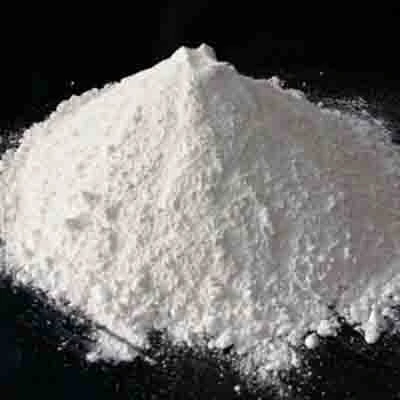
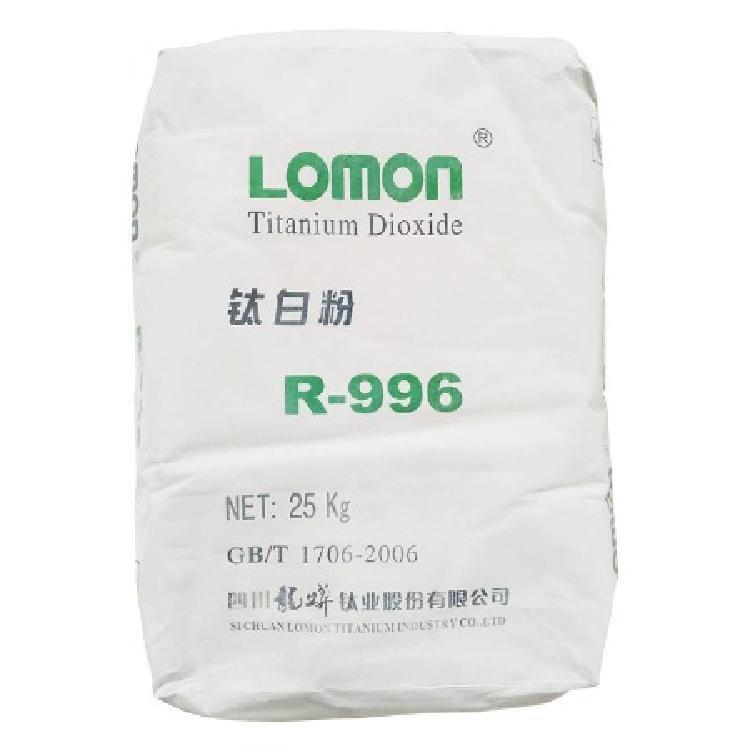
High-Performance rutile titanium dioxide Solutions for Qatar's Industrial Growth

Providing premium inorganic salt manufacturing solutions to enhance the durability and brilliance of coatings, plastics, and construction materials in the Middle East.

High-Performance rutile titanium dioxide Solutions for Qatar's Industrial Growth

Our specialized inorganic salt manufacturing processes ensure that every batch of titanium dioxide meets the rigorous standards required for Qatar's extreme environmental conditions, offering unmatched opacity and weather resistance.

The State of Inorganic Pigment Industry in Qatar

Analyzing the demand for high-grade titanium dioxide powder in Asia's most ambitious construction hub.

In Qatar, the inorganic salt manufacturing sector is heavily influenced by the nation's rapid urbanization and the extreme desert climate. The intense UV radiation and high humidity levels in Doha and surrounding areas necessitate the use of high-stability titanium dioxide pigments to prevent pigment degradation and color fading in architectural coatings.

The local market currently relies on a mix of imported high-purity materials and localized blending. There is a growing shift toward specialized grades that can withstand thermal expansion and contraction, ensuring that infrastructure projects maintain their aesthetic integrity despite the scorching heat of the Arabian Peninsula.

Furthermore, the expansion of Qatar's petrochemical downstream industry has created a synergy for the application of advanced titanium compounds. The demand for consistent particle size distribution in powder forms has become a critical quality benchmark for local manufacturers serving the automotive and industrial paint sectors.
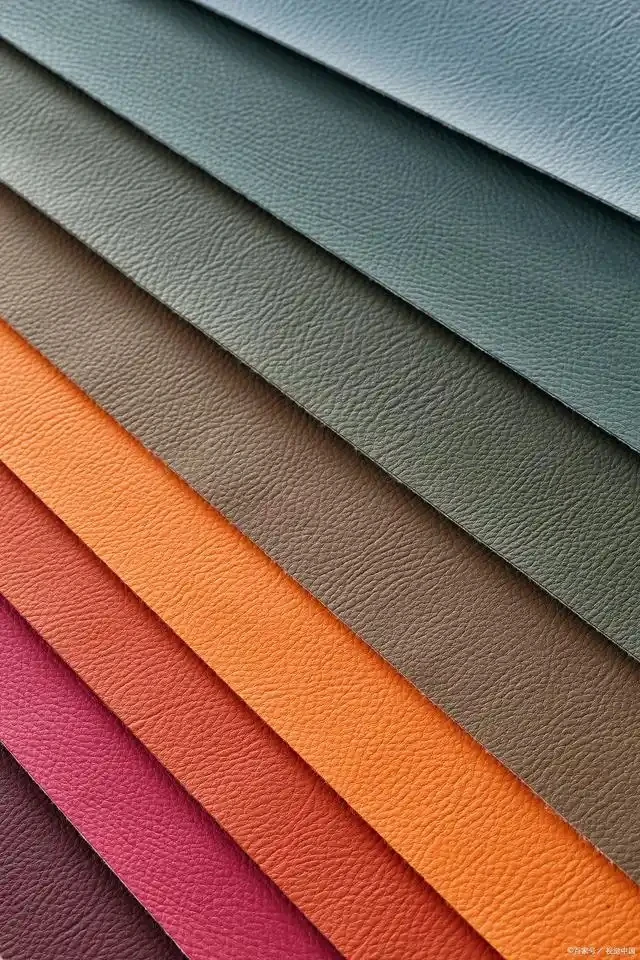
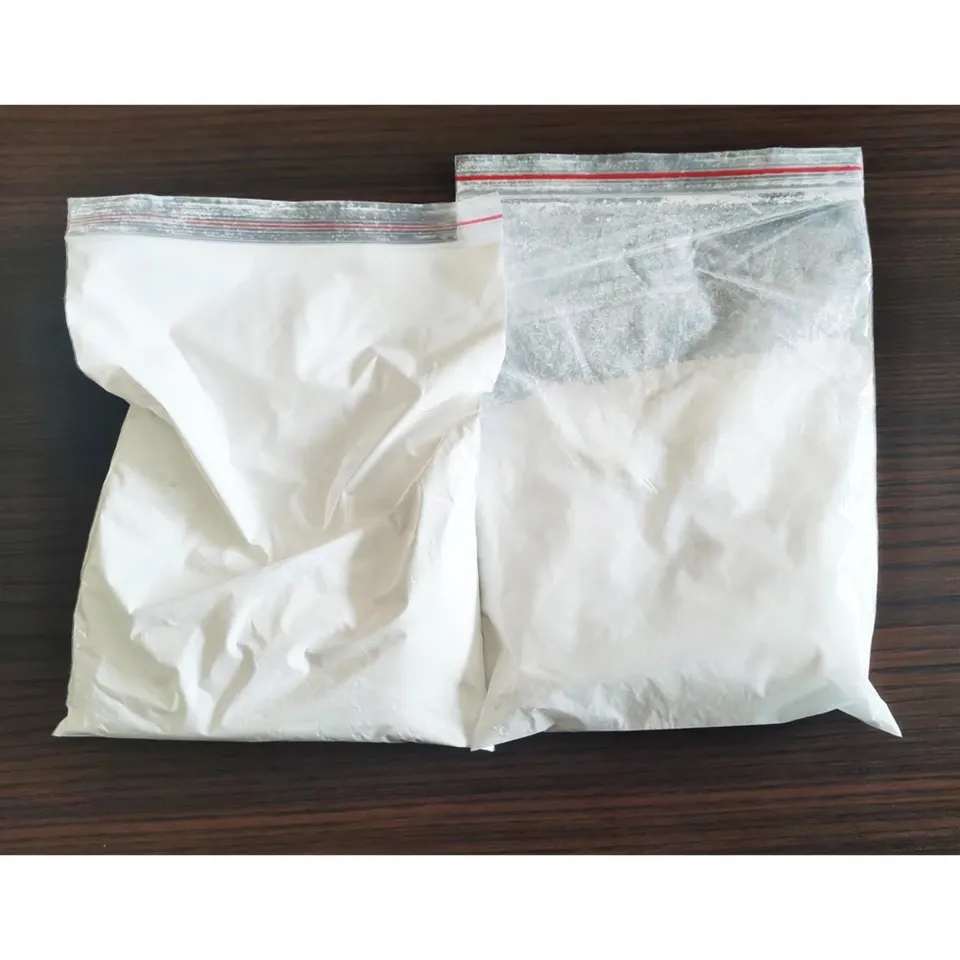
Evolution and Technical Trajectory of Titanium Manufacturing

From basic whitening agents to engineered anatase titanium dioxide for specialized industrial use.

Market Development History

In the early 2000s, the Qatar market primarily utilized basic grade pigments for simple construction needs, focusing largely on cost-efficiency rather than long-term UV stability.

Between 2010 and 2020, the technical shift moved toward surface-treated rutile grades. This period saw the introduction of alumina and silica coatings on the particles to enhance dispersibility and reduce photocatalytic activity, specifically for the luxury real estate boom.

By 2023, the industry transitioned into the era of "Precision Chemistry," where inorganic salt manufacturing now incorporates nano-scale control to optimize the refractive index, specifically catering to high-end polymers and specialized coatings.

Future Development Trends

Eco-Friendly Sulfate Process Optimization

The next 3 years will see a surge in closed-loop manufacturing to reduce waste, aligning with Qatar's National Vision 2030 for environmental sustainability.

Integration of Smart Coatings

Expect a rise in the demand for pigments that offer heat-reflective properties, reducing the cooling load for buildings in the Gulf region.

Digitalized Quality Control

AI-driven particle analysis will become standard, ensuring that titanium dioxide consistency is maintained across massive infrastructure batches.

Industry Trends and Future Outlook for Inorganic Salts

Strategic forecasting for the titanium dioxide market in the Asia-Qatar corridor.

UV-Resistant Engineering
Increasing focus on high-refractive index particles to combat the extreme solar intensity of the Qatar region.
Sustainable Processing
Adopting chloride-process technologies to reduce the carbon footprint of inorganic salt manufacturing.
Nano-Particle Dispersion
Developing ultra-fine powders for high-gloss automotive coatings and advanced aerospace components.
Smart Material Synergy
Combining titanium compounds with hydrophobic agents for self-cleaning surfaces in dusty environments.

Industry Outlook

Based on Google Search trends for "Industrial Chemicals Qatar," there is a sharp increase in queries related to "long-term durability" and "UV stability." This indicates a market shift where buyers are prioritizing technical specifications over raw price, favoring manufacturers who can provide comprehensive E-E-A-T validated data sheets.

The convergence of the construction and chemical sectors in Qatar suggests a 5-year growth trajectory of 4.2% CAGR for high-grade inorganic pigments, driven by the expansion of the North Field gas projects and associated infrastructure.

Localized Application Scenarios in Qatar

Practical deployments of our titanium dioxide in the Qatari industrial landscape.

1. High-Rise Architectural Coatings

Using rutile grades in exterior paints for skyscrapers in West Bay to ensure maximum solar reflectance and prevent thermal cracking under 50°C heat.

2. Industrial Polymer Piping

Incorporating powder pigments into HDPE pipes for oil and gas transport to provide opacity and protection against underground chemical corrosion.

3. Marine Grade Anti-Corrosive Paints

Applying specialized inorganic salt formulations to shipyard coatings in Hamad Port to resist salt-spray and high-salinity seawater environments.

4. Automotive Refinishing Paints

Utilizing ultra-fine anatase grades for high-gloss automotive finishes that resist the abrasive effects of desert sandstorms.

5. Concrete White-Topping

Adding high-purity pigments to concrete for public plazas to reduce the Urban Heat Island effect through increased albedo.

Brand Story

Global Development Journey of Hebei Caiqing New Material Technology Co., Ltd.

Foundational Excellence

Established with a mission to bridge the gap between raw inorganic salt manufacturing and high-end industrial application.

Technical Breakthroughs

Developed a proprietary surface treatment process that increased the weatherability of rutile pigments by 30%.

Global Market Expansion

Expanded logistics networks to serve Asia's most demanding markets, including Qatar, ensuring just-in-time delivery.

Quality Certification

Achieved international ISO standards, ensuring that our inorganic salts meet strict environmental and safety regulations.

Future Innovation

Investing in R&D for "Green Titanium" to support the global transition toward sustainable chemical manufacturing.

Frequently Asked Questions in Qatar Market

Expert answers regarding the application of inorganic pigments in extreme climates.

Which grade of rutile titanium dioxide is best for Qatar's exterior walls?

For Qatar's extreme UV exposure, we recommend surface-treated rutile grades with alumina/silica coatings to ensure maximum opacity and prevent chalking.

How does titanium dioxide powder affect the thermal properties of coatings?

High-purity titanium dioxide increases the solar reflectance of the surface, which significantly reduces the heat absorption of buildings in hot climates like Asia-Qatar.

What is the difference between anatase and rutile for industrial use?

Rutile offers higher refractive index and weather resistance, making it ideal for outdoors, while anatase is preferred for fibers and certain plastics due to its lower abrasiveness.

Can titanium dioxide pigments be used in Qatar's plastic piping industry?

Yes, they are essential for providing the necessary UV screening to prevent the degradation of polymers exposed to direct sunlight in desert environments.

How do you ensure the purity of inorganic salt manufacturing?

We employ multi-stage filtration and spectroscopic analysis to ensure that heavy metal impurities are kept below the strictest international thresholds.

What is the typical lead time for shipping to Doha, Qatar?

Depending on the volume and shipping method, we typically offer optimized logistics routes that ensure timely delivery to the Hamad Port.

Ready to Elevate Your Industrial Standards?

Our technical experts are ready to help you select the perfect inorganic salt solutions for your projects in Qatar.

Contact Us Now

If you are interested in our products, you can choose to leave your information here, and we will be in touch with you shortly.