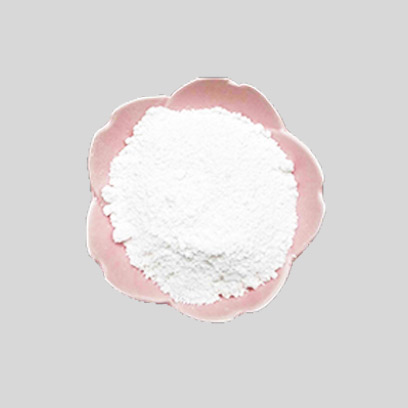
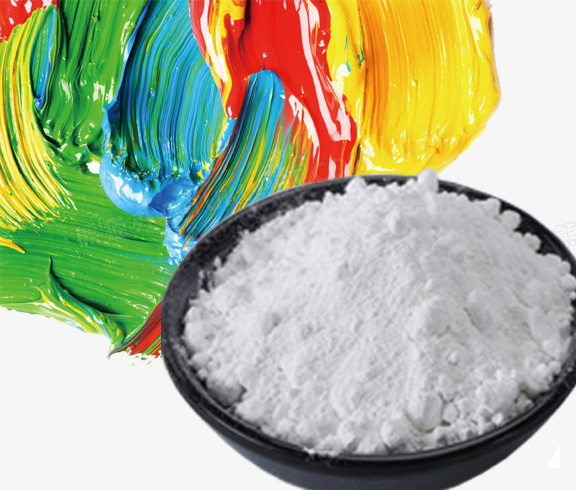
High-Performance rutile titanium dioxide Solutions for Paraguay

Empowering Paraguay's industrial manufacturing with premium inorganic salts and advanced pigment technology for superior opacity and durability.

Industrial Landscape of Inorganic Salts in Paraguay

Analyzing the demand and integration of titanium-based pigments in the heart of South America.

Paraguay's manufacturing sector is currently experiencing a transition toward higher quality standards, particularly in the construction and plastics industries. The demand for titanium dioxide pigments has surged as local producers seek to improve the weatherability of their products against the intense subtropical UV radiation characteristic of the region.

Logistically, Paraguay relies heavily on river transport and strategic imports. The supply chain for titanium dioxide is critical for the local paint and coating industry in Asunción and Ciudad del Este, where high-opacity whites are essential for infrastructure projects and automotive refinishing.

Furthermore, the agricultural machinery sector in Paraguay requires specialized coatings. The adoption of high-grade inorganic salts ensures that equipment used in soybean and corn production can resist corrosion and maintain visibility under harsh environmental conditions, driving the shift toward premium rutile grades.
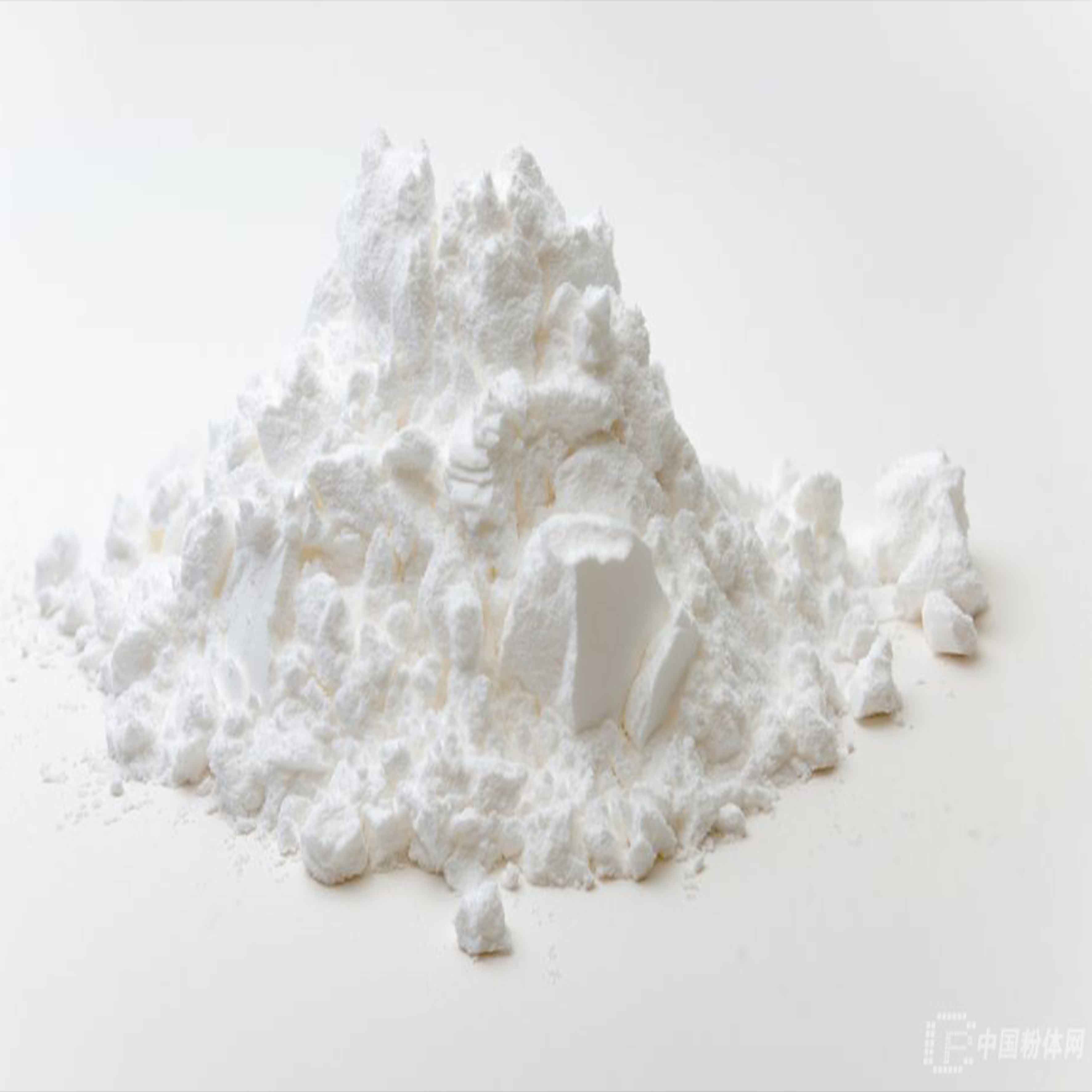
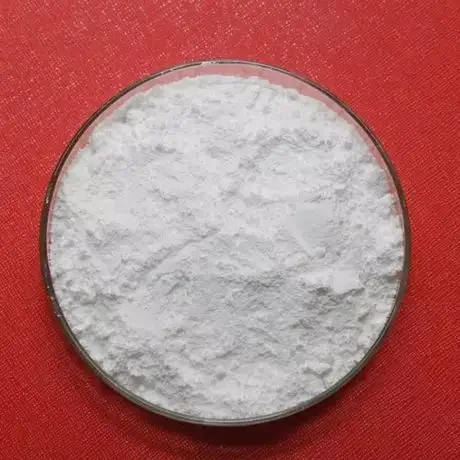
Evolution and Trajectory of Pigment Technology

From basic whitening agents to advanced functional nanoparticles.

Market Development History

In the early 2000s, the Paraguayan market primarily utilized basic anatase titanium dioxide for general-purpose indoor coatings where UV resistance was not a primary concern, reflecting a period of basic industrialization.

Between 2010 and 2020, a technical pivot occurred. As the construction boom hit the region, the industry shifted toward rutile-based pigments to prevent "chalking" in exterior walls, integrating more sophisticated surface treatments to enhance dispersion in water-borne systems.

Currently, the market has entered the era of precision chemistry, where the focus is on particle size distribution and purity, ensuring that inorganic salt manufacturers can meet global ISO standards for export-oriented Paraguayan goods.

Future Development Trends

Eco-Friendly Processing

Expect a shift toward chloride-process pigments that reduce waste and emissions, aligning with global sustainability goals and local environmental regulations in Paraguay.

Smart Coating Integration

The integration of TiO2 with nano-silica to create self-cleaning surfaces, reducing maintenance costs for large-scale commercial buildings in urban centers.

High-Concentration Masterbatches

Increased demand for pre-dispersed powder forms to streamline the plastic extrusion process for the local packaging industry.

Future Trends and Strategic Outlook

Predicting the next 3-5 years of chemical raw material evolution in the region.

UV-Resistance Optimization
Developing pigments specifically for the high-UV index of the Chaco region to prevent pigment degradation.
Sustainable Raw Materials
Increasing the use of recycled feedstocks in the production of inorganic salts to lower the carbon footprint.
Digital Supply Integration
Using AI to predict demand spikes in the Paraguayan plastics sector for just-in-time TiO2 delivery.
Nano-Particle Refinement
Moving toward ultra-fine powders to increase the gloss and transparency of specialized coatings.

Industry Outlook

Based on Google search trends for "industrial chemicals" in the Southern Cone, there is a marked increase in queries regarding high-performance inorganic salts. This suggests that Paraguayan manufacturers are moving away from low-cost fillers toward functional materials that provide genuine value-add in terms of product longevity.

We anticipate that the synergy between the local plastics industry and advanced TiO2 technology will lead to a new wave of high-durability PVC and HDPE products, positioning Paraguay as a regional hub for quality chemical processing in South America.

Localized Application Scenarios in Paraguay

Practical implementations of our titanium solutions across key Paraguayan industries.

1. Exterior Architectural Coatings

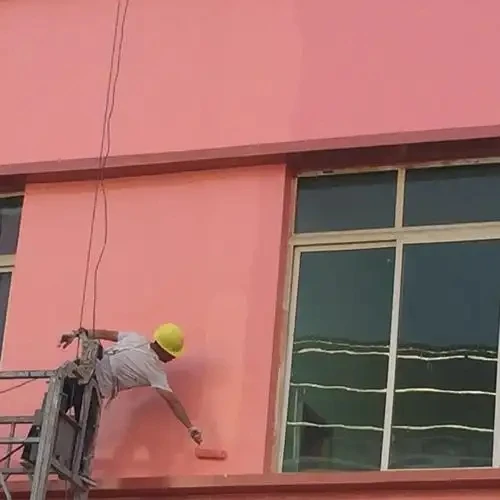
Using rutile grades to protect commercial buildings in Asunción from extreme humidity and heat, ensuring long-term color retention and opacity.

2. Agricultural Plastic Films

Incorporating TiO2 powder into greenhouse plastics to manage light transmission and protect crops from excessive solar radiation in rural farming zones.

3. Automotive Refinishing

Applying high-purity pigments in the automotive hubs of Ciudad del Este to achieve a factory-finish white that resists yellowing.

4. PVC Pipe Manufacturing

Utilizing anatase grades in the production of water and sewage pipes to provide the necessary whiteness and chemical stability for municipal infrastructure.

5. Industrial Paper Coating

Improving the brightness and printability of local paper products by applying fine-particle inorganic salts during the coating process.

Brand Story

Global Development Journey of Hebei Caiqing New Material Technology Co., Ltd.

Foundation and Specialization

Established with a mission to solve the purity issues in inorganic salt manufacturing, focusing on the precision production of TiO2.

Technological Breakthrough

Developed advanced surface treatment technologies that significantly increased the dispersion and weatherability of rutile pigments.

Market Expansion

Expanded our footprint into South America, establishing a robust supply chain to serve the emerging industrial needs of Paraguay.

Quality Certification

Achieved global quality benchmarks, ensuring every batch of powder meets the stringent requirements of the plastics and paint industries.

Future Vision

Committed to leading the transition toward sustainable, eco-friendly chemical manufacturing on a global scale.

Common Questions regarding TiO2 in Paraguay

Expert answers to technical and logistical queries from our local partners.

Which grade of titanium dioxide powder is best for exterior paints in Paraguay?

For exterior applications in Paraguay, rutile titanium dioxide is highly recommended due to its superior UV resistance and durability against subtropical weather conditions.

How does anatase titanium dioxide differ in application from rutile grades?

Anatase is typically used in indoor coatings, paper, and certain plastics where extreme weather resistance is not required, offering a different cost-to-performance ratio.

Can titanium dioxide pigments improve the strength of PVC plastics?

While primarily used for color and opacity, high-quality TiO2 can improve the overall stability and UV-shielding of PVC, preventing premature degradation of the plastic matrix.

What is the typical lead time for shipping inorganic salts to Asunción?

Lead times vary based on the shipping method (river vs. road), but we optimize our logistics to ensure consistent supply for Paraguayan industrial cycles.

How do I ensure the proper dispersion of TiO2 powder in my mixture?

Proper dispersion requires compatible wetting agents and high-shear mixing; our technical team provides specific guidelines based on your solvent system.

Are your titanium dioxide products compliant with international environmental standards?

Yes, our products are manufactured following strict environmental protocols and meet the safety requirements for use in various industrial applications globally.

Ready to Optimize Your Production?

Contact our experts today for tailored inorganic salt solutions delivered directly to your facility in Paraguay.

Contact Us Now

If you are interested in our products, you can choose to leave your information here, and we will be in touch with you shortly.