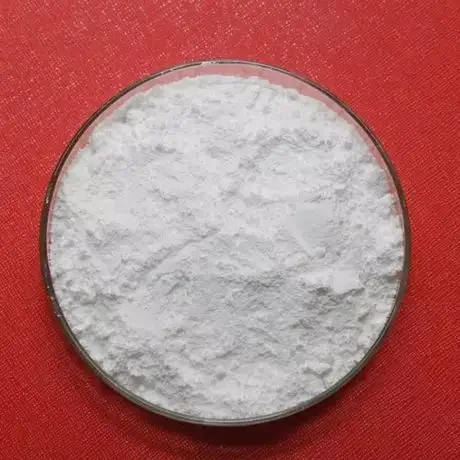
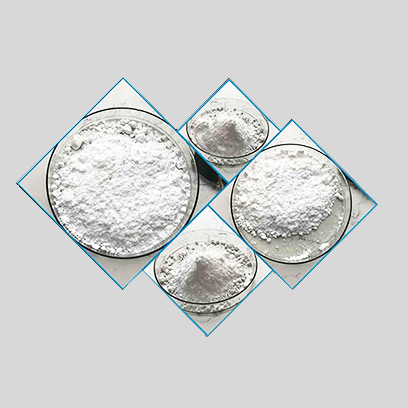
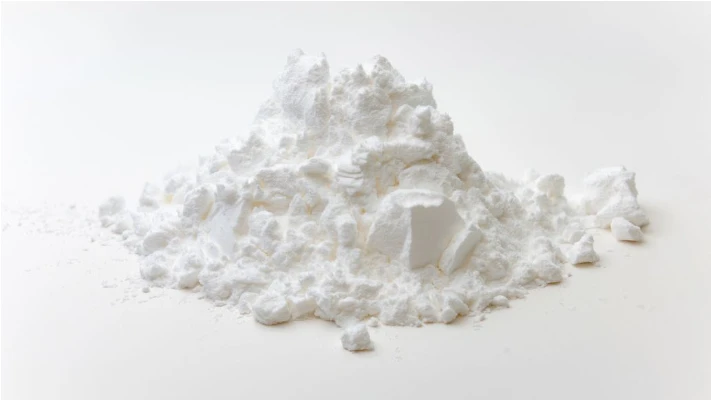
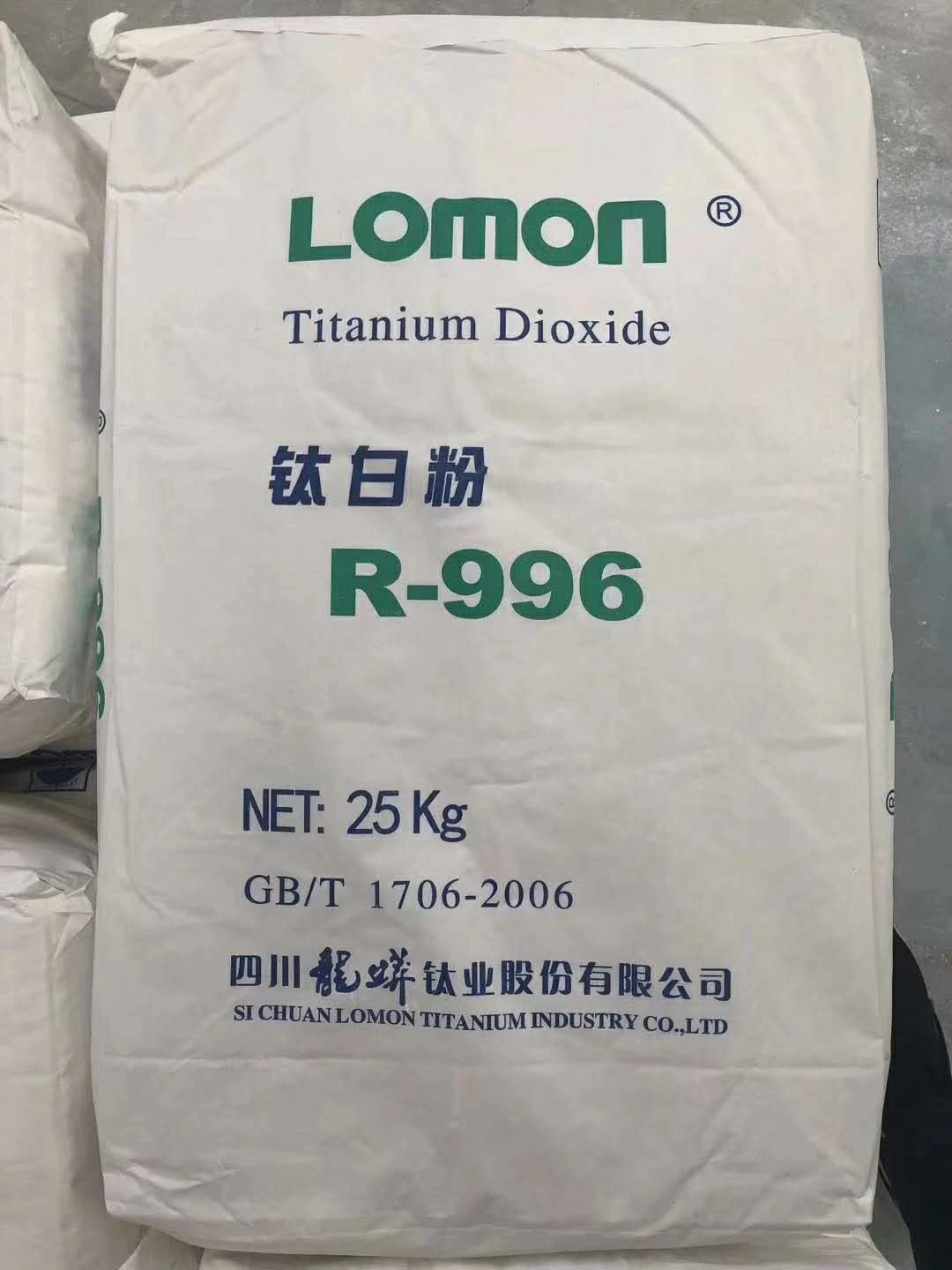
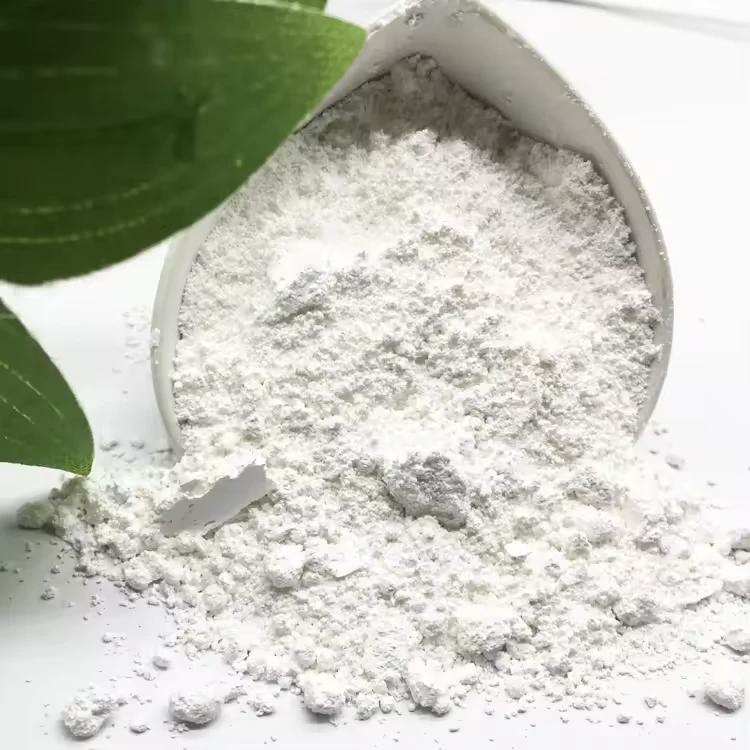
High-Performance rutile titanium dioxide Solutions for Egypt's Industrial Growth

Providing premium inorganic salt pigments tailored for the Egyptian architectural and industrial coating markets to ensure maximum opacity and weather resistance.

High-Performance rutile titanium dioxide Solutions for Egypt's Industrial Growth

Our specialized inorganic chemical solutions provide the Egyptian manufacturing sector with unmatched whiteness, durability, and UV protection for a wide range of industrial applications.

The Market Dynamics of titanium dioxide powder in Egypt

Analyzing the intersection of Egypt's climate challenges and industrial inorganic salt demands.

Egypt's industrial landscape is characterized by intense solar radiation and high thermal fluctuations, creating a critical need for high-grade titanium dioxide powder. In the manufacturing of paints and plastics, the ability of a pigment to reflect UV rays is not just a quality metric but a survival necessity for products used in the Nile Delta and Cairo's urban heat islands.

The current market state shows a heavy reliance on imported inorganic salts. Local manufacturers are increasingly shifting toward specialized grades that can withstand the alkaline nature of Egyptian construction materials, ensuring that coatings do not chalk or yellow under the harsh Saharan sun.

Furthermore, the expansion of the Suez Canal Economic Zone has spiked the demand for titanium dioxide pigments, as new logistics hubs and warehouses require industrial-grade protective coatings that offer both high opacity and corrosion resistance against saline air.
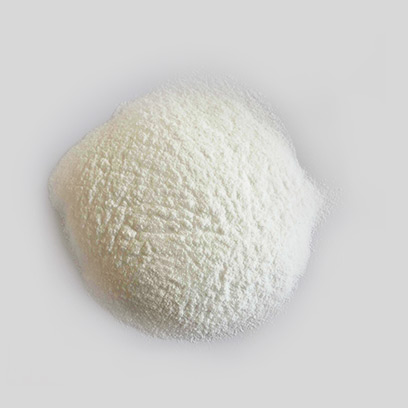
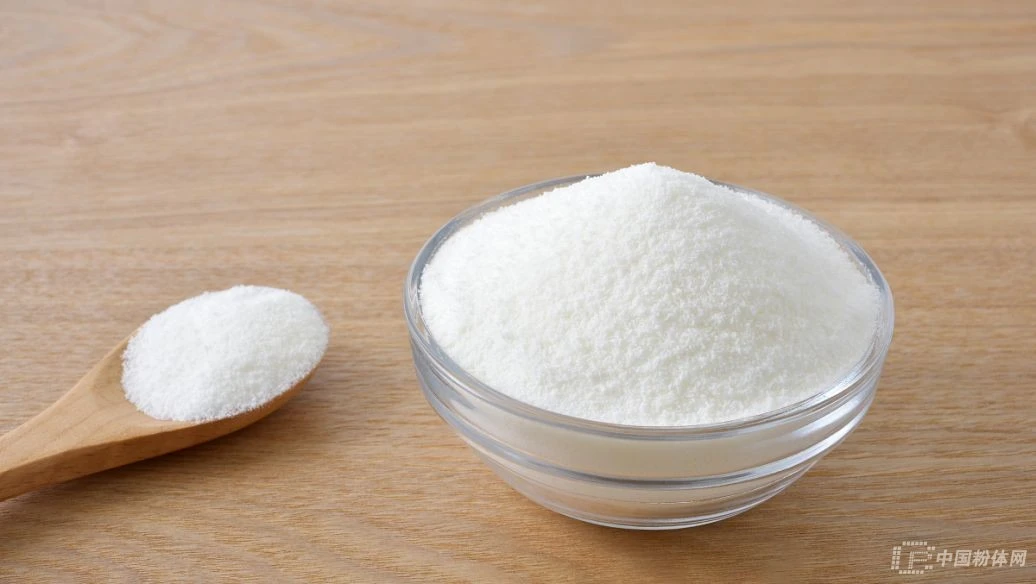
Evolution of titanium dioxide Technology in Egypt

From basic whitening agents to advanced nanotechnology in inorganic salt manufacturing.

Market Development History

In the early 2000s, the Egyptian market primarily utilized basic anatase titanium dioxide for indoor applications where UV exposure was minimal. The focus was on cost-efficiency and basic opacity rather than long-term weathering performance.

Between 2010 and 2020, a technical pivot occurred. As Egypt launched massive urban development projects, the industry transitioned toward surface-treated rutile grades. This period saw the introduction of alumina and silica coatings on the pigment particles to prevent photocatalytic activity.

From 2021 to the present, the trajectory has moved toward "Smart Pigments." The integration of narrow particle size distribution has allowed Egyptian plastic manufacturers to achieve higher gloss and better dispersion in masterbatches.

Future Development Trends

Eco-Friendly Processing

Transitioning from traditional sulfate processes to chloride-based production to reduce waste and meet Egypt's updated environmental regulations for chemical plants.

Nano-Dispersion Technology

The adoption of nano-scale titanium dioxide to enhance transparency in specialized coatings without sacrificing UV absorption.

Hybrid Inorganic-Organic Systems

Developing hybrid pigments that combine the stability of inorganic salts with organic modifiers for better compatibility with recycled plastics.

Industry Trends and Strategic Outlook for Egypt

Forecasting the next 3-5 years of the inorganic salt and pigment sector.

UV-Reflective Innovation
Increasing search trends for "cool roof" pigments to combat Egypt's rising summer temperatures.
Sustainability Shift
Growth in demand for VOC-free pigment dispersions for the Egyptian green building initiative.
Digital Integration
Using AI to optimize the mixing ratio of pigments for Egyptian plastic manufacturers.
Logistics Efficiency
Optimizing supply chains through Alexandria port to reduce lead times for bulk powders.

Industry Outlook

Based on current Google search trends in North Africa, there is a significant rise in queries related to "high-opacity inorganic salts" and "weather-resistant TiO2." This indicates a market shift from budget-oriented procurement to value-oriented quality procurement in Egypt.

We anticipate that the Egyptian market will evolve into a regional hub for pigment distribution, with a particular focus on specialized anatase titanium dioxide for the expanding local cosmetics and food-grade additive industries.

Localized Application Scenarios in Egypt

How our inorganic salt solutions solve specific Egyptian industrial challenges.

1. High-Reflectance Exterior Wall Coatings

Utilizing rutile grades to create "cool paints" for Cairo's residential buildings, reducing internal heat absorption and lowering energy costs for air conditioning.

2. Heavy-Duty Infrastructure Protection

Applying high-opacity titanium dioxide pigments to bridge components and Suez Canal port facilities to prevent corrosion from saltwater humidity.

3. UV-Stabilized Agricultural Plastics

Integrating pigments into greenhouse films in the New Delta project to protect crops from excessive UV radiation while maintaining light transmission.

4. Premium PVC Pipe Manufacturing

Using finely milled powders to ensure a bright, consistent white finish for water irrigation pipes across rural Egyptian farms, ensuring long-term material stability.

5. Industrial Floor Coatings for Factories

Developing high-wear, white epoxy coatings for pharmaceutical plants in 6th of October City, ensuring hygienic environments and high visibility.

Brand Story

Global Development Journey of Hebei Caiqing New Material Technology Co., Ltd.

Foundation of Excellence

Established with a mission to solve the purity gap in inorganic salt manufacturing, we began by optimizing the synthesis of titanium-based compounds.

Technical Breakthroughs

We developed a proprietary surface-treatment process that significantly enhanced the weatherability of pigments for arid climates.

Global Market Expansion

Expanding our footprint into the MENA region, we tailored our product line to meet the specific climatic demands of North African markets.

Quality Certification

Achieving international ISO and REACH certifications to ensure our chemicals meet the strictest safety and performance standards globally.

Vision for a Greener Future

Currently investing in low-carbon production technologies to provide sustainable inorganic materials for the next generation of industry.

Comprehensive Product Portfolio for the Egyptian Market

A full range of high-performance inorganic salts and pigments designed for versatility and durability.

Frequently Asked Questions in Egypt

Expert answers to the most common technical queries from our Egyptian partners.

Which grade of rutile titanium dioxide is best for Egypt's coastal areas?

For coastal areas like Alexandria, we recommend rutile grades with advanced alumina/silica surface treatments to prevent salt-spray corrosion and chalking.

How does anatase titanium dioxide differ in performance for indoor use?

Anatase grades offer higher purity and a softer white tone, making them ideal for indoor plastics and food-grade applications where UV exposure is low.

What is the impact of high temperature on titanium dioxide powder dispersion?

High temperatures can cause agglomeration; we provide powders with optimized particle size distribution to ensure easy dispersion in Egyptian heat.

Can these titanium dioxide pigments be used in recycled plastic masterbatches?

Yes, our pigments are designed for high compatibility with both virgin and recycled polymers, maintaining opacity even in recycled streams.

How to optimize the loading of inorganic salts in PVC formulations?

We recommend a gradual loading process with high-shear mixing to ensure the titanium dioxide is fully encapsulated, preventing structural weakness.

What documentation is provided for importing chemical powders into Egypt?

We provide complete COA (Certificate of Analysis), MSDS, and all necessary customs documentation to ensure smooth clearance through Egyptian ports.

Get Expert Technical Support

Our engineering team is ready to optimize your inorganic salt formulations for the specific industrial requirements of Egypt.

Contact Us Now

If you are interested in our products, you can choose to leave your information here, and we will be in touch with you shortly.