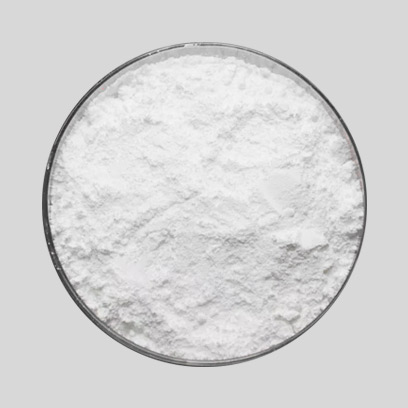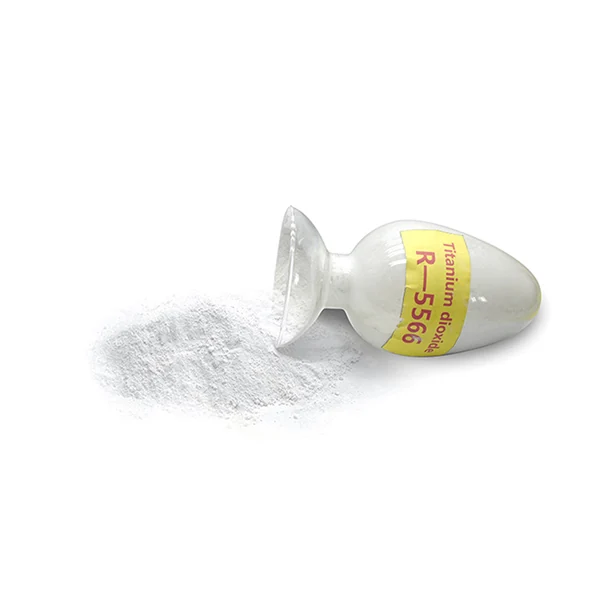
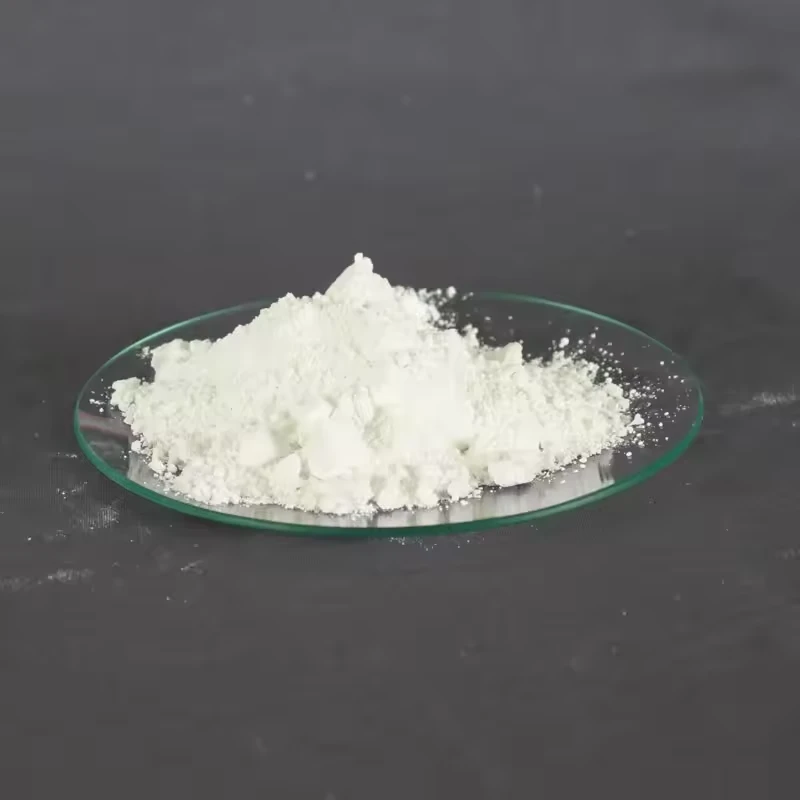
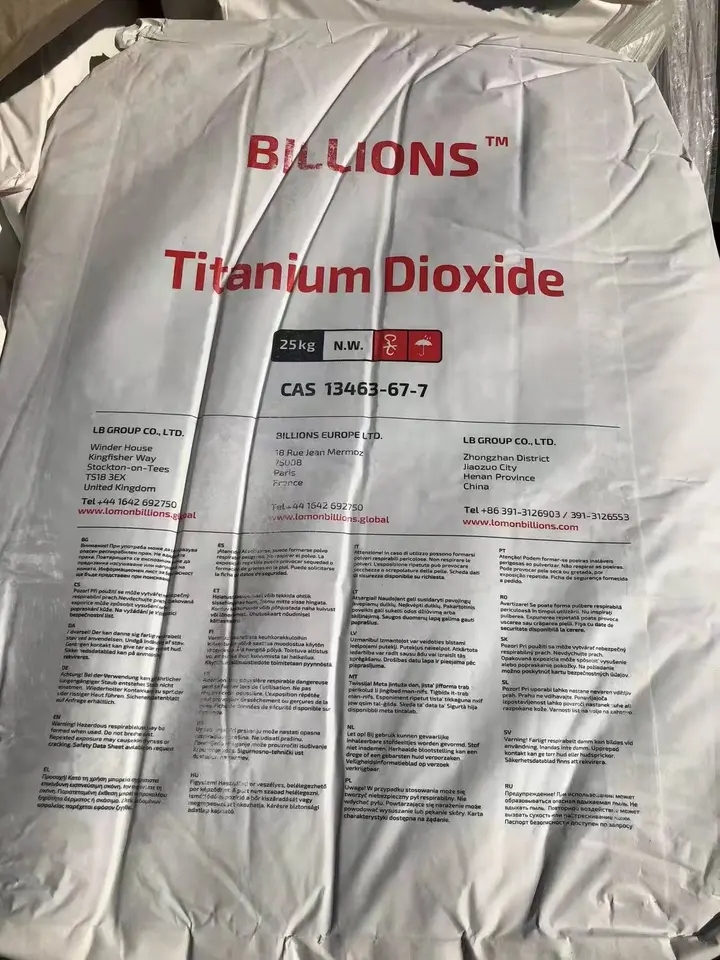
High-Performance rutile titanium dioxide Solutions for Ecuador

Providing premium inorganic salt pigments engineered for the unique environmental demands of the Ecuadorian industrial market.

High-Performance rutile titanium dioxide Solutions for Ecuador

Our advanced inorganic salt manufacturing processes ensure that every batch of pigments meets the highest global standards for opacity, brightness, and durability, specifically tailored for South American infrastructure and consumer goods.

Industrial Landscape of Inorganic Salts in Ecuador

Analyzing the integration of titanium dioxide powder within Ecuador's specific economic zones.

Ecuador's manufacturing sector, particularly in Guayaquil and Quito, faces unique challenges due to high humidity and intense equatorial UV radiation. This creates a critical demand for titanium dioxide pigments that can prevent chalking and maintain color integrity in architectural coatings.

The local inorganic salt industry is currently transitioning from basic imports to specialized application-driven sourcing. The focus has shifted toward chemicals that can withstand the saline environment of the coastal regions, necessitating high-grade rutile structures for maximum weather resistance.

Economically, the growth of the Ecuadorian plastics and packaging industry—driven by flower and banana exports—has accelerated the need for food-grade and industrial-grade powders that ensure product stability and visual appeal during long-distance shipping.
Evolution and Trajectory of Titanium Pigments

Tracing the technical shift from traditional opacity agents to modern anatase titanium dioxide formulations.

Market Development History

In the early 2000s, the Ecuadorian market relied primarily on generic white pigments with low UV resistance. The industry focused on cost-efficiency rather than long-term durability, leading to frequent maintenance cycles for outdoor structures.

Between 2010 and 2020, there was a strategic pivot toward the adoption of sulfate process refinements. This period saw the introduction of surface-treated pigments that improved dispersibility in water-borne systems, aligning with global environmental regulations.

By 2023, the market achieved a sophisticated balance, integrating chloride-process pigments for higher purity and better brightness, enabling local manufacturers to compete in the premium export market.

Future Development Trends

Nano-Scale Particle Engineering

Integration of nano-powder technology to enhance the photocatalytic properties of titanium dioxide for self-cleaning surfaces in urban Quito.

Eco-Friendly Synthesis

A shift toward "green chemistry" in inorganic salt production, reducing the carbon footprint of pigment synthesis to meet Ecuador's sustainability goals.

Hybrid Pigment Systems

Development of synergistic blends that combine rutile and anatase forms to optimize cost and performance for the diverse Ecuadorian climate.

Industry Trends and Future Outlook

Strategic projections for the titanium dioxide market based on regional search data and industrial growth.

UV-Shielding Optimization
Increasing demand for rutile grades that provide maximum UV reflection to protect coatings from equatorial sun degradation.
Sustainable Sourcing
Growth in demand for pigments produced via closed-loop systems to minimize hazardous inorganic waste.
Precision Grading
Shift towards customized particle size distributions for specialized high-gloss industrial finishes.
Digital Quality Control
Implementation of real-time spectro-photometric analysis to ensure consistency in pigment whiteness.

Industry Outlook

Based on Google search trends in South America, there is a rising interest in high-opacity inorganic salts for the construction sector. We predict a 15% increase in the demand for specialized titanium dioxide powder for heat-reflective roofing in coastal cities.

Furthermore, the convergence of the automotive refinishing market and high-durability pigments suggests that the next 3-5 years will be dominated by surface-treated rutile grades that offer superior adhesion to polymer substrates.

Localized Application Scenarios in Ecuador

Practical implementations of our titanium dioxide pigments across key Ecuadorian sectors.

1. Tropical Architectural Coatings

Utilizing rutile grades in exterior paints for buildings in Guayaquil to provide maximum opacity and resistance to the intense humidity and salt-spray of the Pacific coast.

2. Agricultural Export Packaging

Applying high-purity powders in the production of UV-stabilized plastic films for banana and flower greenhouses, preventing crop degradation from solar radiation.

3. High-Gloss Automotive Refinishing

Integrating precision-grade pigments into automotive coatings for the Quito transport sector, ensuring long-term gloss retention despite high altitude UV exposure.

4. Industrial Plastic Masterbatches

Using specialized inorganic salts to produce high-opacity white masterbatches for consumer electronics and household plastics manufactured in local industrial parks.

5. Pharmaceutical and Cosmetic Grade Bases

Deploying ultra-pure anatase forms as mineral sunscreens and opacifiers in the growing Ecuadorian organic skincare and pharmaceutical industry.

Brand Story

Global Development Journey of Hebei Caiqing New Material Technology Co., Ltd.

Foundation of Excellence

Established with a vision to redefine purity in inorganic salt manufacturing, we began by solving the instability of raw pigment dispersion.

Technical Breakthroughs

We developed a proprietary surface-treatment technology that drastically increased the weatherability of rutile pigments in extreme climates.

Global Expansion

Expanding our footprint into South America, we tailored our product lines to meet the specific UV and humidity challenges of the Ecuadorian market.

Quality Standardization

Achieving ISO certifications and implementing rigorous batch-testing to ensure that every shipment meets the strictest global industrial standards.

Commitment to Sustainability

Investing in green manufacturing to ensure our chemical production protects the environment while powering global industrial growth.

Ecuador Industrial FAQ

Expert answers regarding the application of inorganic salts in the local market.

How does rutile titanium dioxide perform in coastal Ecuador?

Rutile grades provide superior resistance to the salt-mist and high humidity found in Guayaquil, preventing the degradation of the paint film better than anatase options.

Which titanium dioxide powder is best for plastic masterbatches?

For plastic masterbatches, we recommend rutile grades with optimized particle size distribution to ensure high opacity and excellent dispersion in polyethylene and polypropylene.

Can anatase titanium dioxide be used in food packaging in Ecuador?

Yes, our ultra-pure anatase grades are manufactured to meet food-grade standards, providing the necessary whiteness for packaging without compromising safety.

How to prevent chalking in exterior paints using titanium dioxide pigments?

Chalking is prevented by using surface-treated rutile pigments that inhibit the photocatalytic activity of the TiO2, which is essential for the high-UV environment of the equator.

What is the lead time for shipping inorganic salts to Ecuador?

Depending on the volume and shipping method, we typically manage efficient logistics chains that ensure timely delivery to the ports of Guayaquil and Manta.

How does the whiteness of titanium dioxide affect industrial coatings?

High whiteness indices reduce the amount of pigment needed to achieve full coverage, thereby reducing the overall cost per square meter for large-scale industrial projects.

Get Expert Technical Support

Our engineers are ready to help you optimize your formulations for the specific environmental conditions of Ecuador.

Contact Us Now

If you are interested in our products, you can choose to leave your information here, and we will be in touch with you shortly.