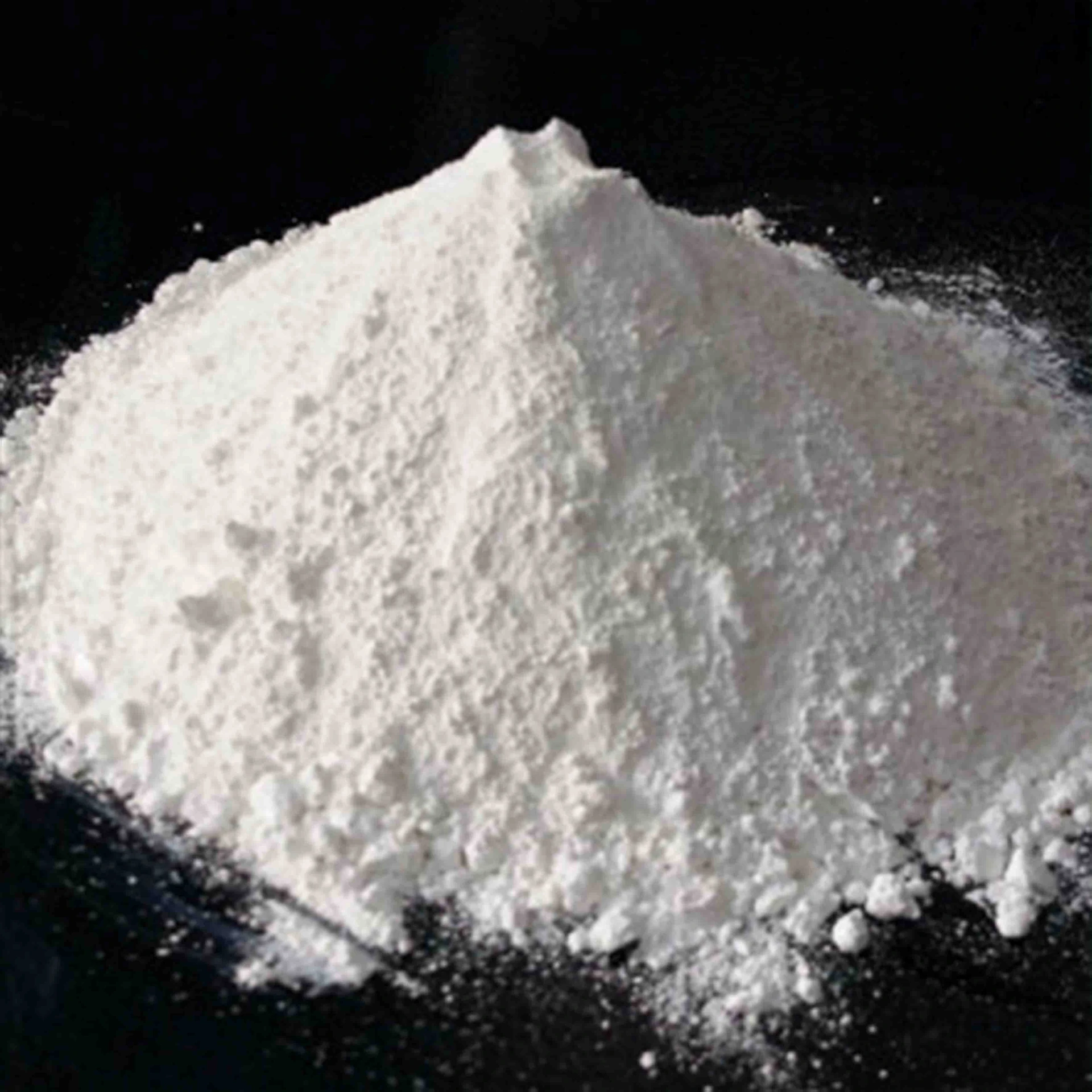
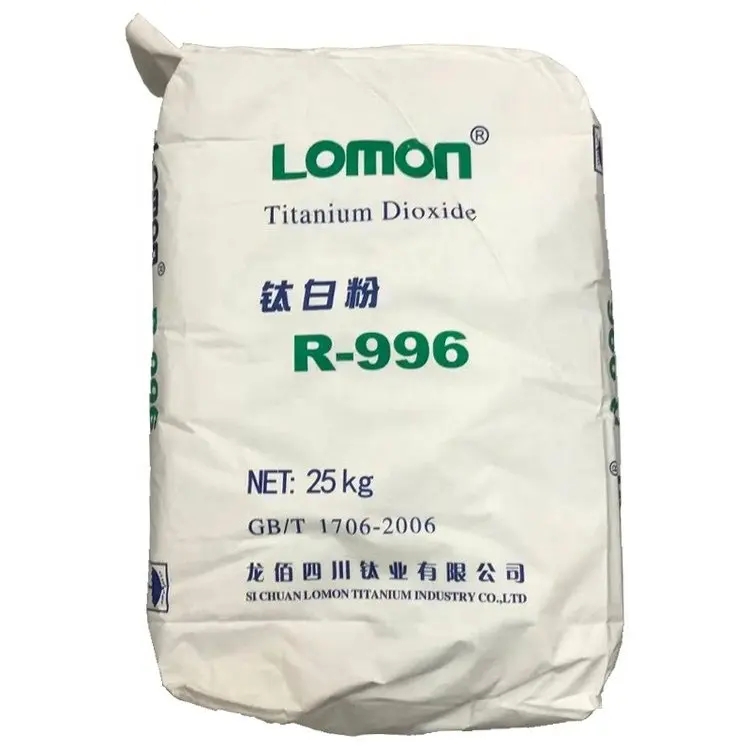
High-Performance rutile titanium dioxide Solutions for Chile

Empowering Chilean industrial coatings and plastics with superior opacity, weather resistance, and inorganic salt purity.

High-Performance rutile titanium dioxide Solutions for Chile

Providing the Chilean manufacturing sector with premium-grade inorganic pigments designed to withstand extreme UV exposure and diverse climatic conditions from the Atacama to Patagonia.

Current Market Landscape of titanium dioxide powder in Chile

Analyzing the demand for high-opacity inorganic salts in the South American industrial hub.

Chile's manufacturing landscape is characterized by a heavy reliance on high-durability materials due to the country's unique geography. The demand for titanium dioxide powder is primarily driven by the construction and mining sectors, where protective coatings must resist both extreme salinity in coastal regions and high UV radiation in the highlands.

Currently, the Chilean market shows a strong preference for imported high-purity inorganic salts. There is a significant shift toward specialized titanium dioxide pigments that can integrate seamlessly into water-based systems, reflecting a national trend toward environmental sustainability and stricter VOC regulations.

The supply chain for inorganic salts in Chile is highly sensitive to global logistics. As a result, local manufacturers are seeking partners who can provide consistent quality of rutile and anatase grades to avoid production downtime in the automotive and architectural paint industries.
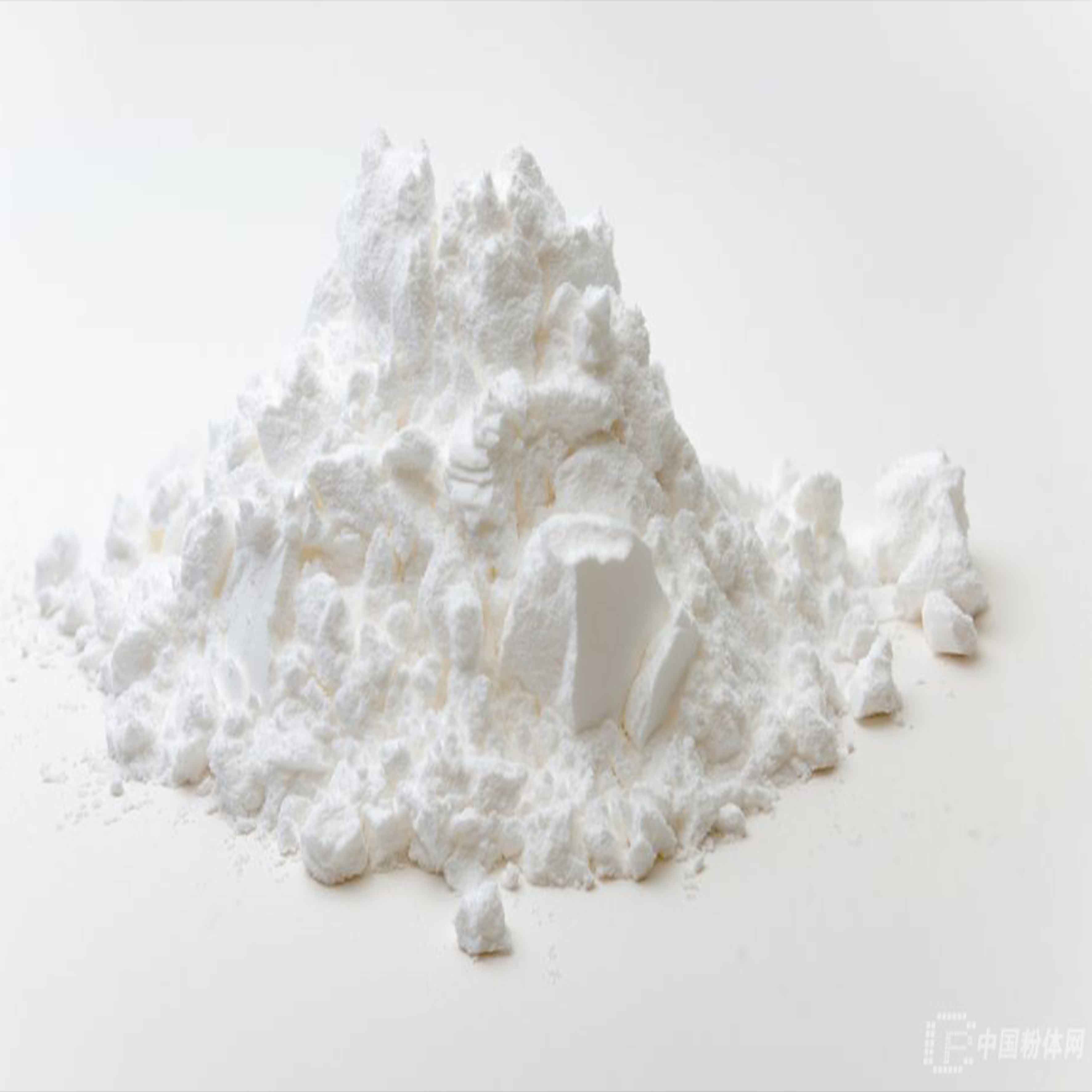
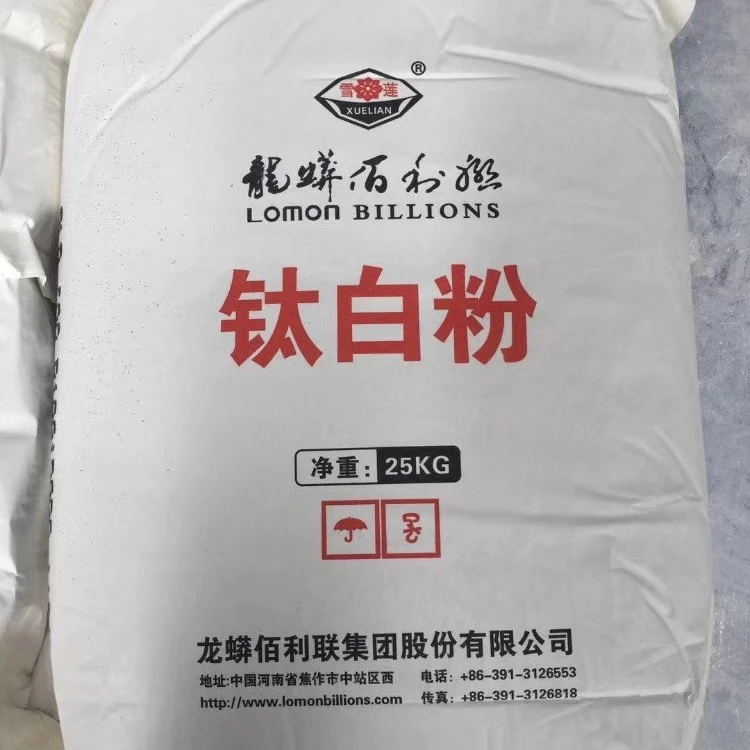
Evolution and Trajectory of Inorganic Pigments in Chile

From basic whitening agents to advanced nanostructured TiO2 particles.

Market Development History

In the late 20th century, the Chilean market relied heavily on basic anatase titanium dioxide for general purpose interior paints and low-cost plastics, focusing primarily on basic opacity rather than long-term durability.

Between 2005 and 2015, there was a technological pivot toward rutile grades as the Chilean infrastructure expanded. This period saw the introduction of surface-treated pigments designed to prevent chalking, a critical requirement for the harsh Andean environment.

From 2016 to the present, the industry has moved toward "Smart Pigments." The focus has shifted to particle size distribution and precise surface chemistry to enhance the dispersion of titanium dioxide in high-solids coatings.

Future Development Trends

Sustainable Production Processes

Expect a surge in demand for chloride-process TiO2 which offers higher purity and a smaller environmental footprint compared to traditional sulfate methods.

UV-Shielding Optimization

Advancements in inorganic salts will focus on enhanced photocatalytic activity control to protect Chilean polymers from degradation under extreme solar radiation.

Integration with Bio-Resins

Future trends indicate a move toward combining high-grade pigments with biodegradable resins for the Chilean eco-packaging market.

Future Trends and Strategic Outlook for TiO2 in Chile

Predicting the next 3-5 years of inorganic salt innovation based on Google search trends and industrial growth.

Eco-Friendly Inorganic Synthesis
Transitioning toward zero-waste manufacturing to align with Chile's Green Hydrogen and sustainability goals.
Nano-Dispersion Technology
Implementing nano-scale milling to increase the hiding power of pigments while reducing material consumption.
Advanced Weathering Resistance
Developing hybrid coatings specifically for Chile's coastal saline environments to prevent corrosion.
Digital Supply Chain Tracking
Utilizing IoT for real-time quality monitoring of inorganic salts during transit to Santiago and Valparaíso.

Industry Outlook

The Chilean market is expected to witness a 4.5% CAGR in the demand for high-grade TiO2 over the next five years. This growth is linked to the "Plan Chile Sustentable," which encourages the use of long-life materials that reduce maintenance frequency.

As search volumes for "high-opacity white pigments" increase in South America, we predict a shift toward specialized rutile grades that offer superior gloss retention, specifically for the Chilean luxury automotive and architectural sectors.

Localized Application Scenarios for TiO2 in Chile

Real-world implementations of inorganic salt technology across Chile's diverse industrial sectors.

1. Mining Infrastructure Coatings

Applying rutile-based coatings to heavy machinery in the Atacama region to reflect extreme solar heat and prevent thermal degradation of hydraulic seals.

2. Coastal Marine Architecture

Using specialized titanium dioxide pigments in marine-grade paints for Valparaíso ports to provide a barrier against chloride-induced corrosion.

3. Andean Agricultural Plastics

Integrating TiO2 into greenhouse films in the Central Valley to optimize light diffusion and protect crops from damaging UV rays.

4. Santiago Urban Infrastructure

Utilizing high-brightness inorganic salts in reflective "cool roof" coatings for Santiago's commercial buildings to reduce urban heat island effects.

5. High-End Plastic Packaging

Employing ultra-pure titanium dioxide powder in the Chilean food export packaging industry to ensure product freshness through light blocking.

Brand Story

Global Development Journey of Hebei Caiqing New Material Technology Co., Ltd.

Foundational Excellence

Established with a mission to solve the instability of inorganic salt purity, we began by refining the sulfate process for maximum consistency.

Technological Breakthrough

We developed a proprietary surface treatment technology that significantly enhanced the weatherability of rutile TiO2 for extreme climates.

Global Expansion

Expanding our footprint to South America, focusing on the specific needs of Chilean manufacturers for high-opacity inorganic pigments.

Commitment to Sustainability

Launched our "Green White" initiative, reducing carbon emissions in the production of anatase and rutile grades by 20%.

Industry Leadership

Now recognized as a global leader in providing tailored TiO2 solutions that bridge the gap between raw chemical supply and final product performance.

Common Questions Regarding TiO2 in Chile

Expert answers to the most frequent technical queries from Chilean industrial clients.

What is the difference between rutile and anatase titanium dioxide for Chilean coatings?

Rutile is more stable and offers superior UV resistance, making it ideal for Chile's exterior paints, while anatase is often used for interior applications or food-grade plastics due to its higher brightness and lower cost.

How does titanium dioxide powder affect the durability of plastics in Atacama's UV levels?

High-quality TiO2 acts as a UV absorber and scatterer, preventing the polymer chain from breaking down, which significantly extends the lifespan of plastic products in high-radiation zones.

Are your titanium dioxide pigments compatible with water-based resin systems?

Yes, our pigments are surface-treated with alumina or silica to ensure optimal hydrophilicity and dispersion in water-borne coatings, meeting modern Chilean environmental standards.

What is the recommended dosage of TiO2 for maximum opacity in industrial primers?

Depending on the substrate, a concentration of 15-25% by weight is typically recommended, though we suggest a laboratory trial to balance cost and hiding power.

How do you ensure the purity of inorganic salts during international shipping to Chile?

We use moisture-proof, multi-layer industrial packaging and vacuum sealing to prevent contamination and clumping during the long-haul maritime transit to Chilean ports.

Can rutile TiO2 help in reducing energy costs for buildings in Santiago?

Absolutely. By increasing the Solar Reflectance Index (SRI) of roof coatings, rutile TiO2 reflects a larger portion of solar radiation, reducing indoor temperatures and AC energy use.

Get Expert Consultation for Your TiO2 Needs

Ready to optimize your production with high-purity inorganic salts? Our technical team is available to support your industrial projects in Chile.

Contact Us Now

If you are interested in our products, you can choose to leave your information here, and we will be in touch with you shortly.