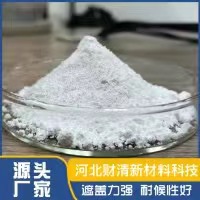
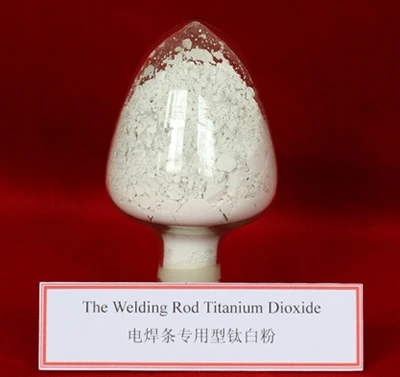
High-Performance rutile titanium dioxide Solutions for Bolivia

Providing premium inorganic salt pigments tailored for the industrial growth and architectural demands of the Bolivian market.

High-Performance rutile titanium dioxide Solutions for Bolivia

Our advanced inorganic salts provide unmatched opacity and durability for Bolivia's diverse manufacturing sectors, from La Paz to Santa Cruz.

The State of Titanium Dioxide in Bolivia

Analyzing the intersection of inorganic chemical needs and Bolivia's unique geography.

Bolivia's chemical manufacturing landscape is heavily influenced by its extreme altitude and diverse climate. In the Altiplano, the high UV radiation levels demand that titanium dioxide pigments possess exceptional weather resistance to prevent coating degradation in architectural applications.

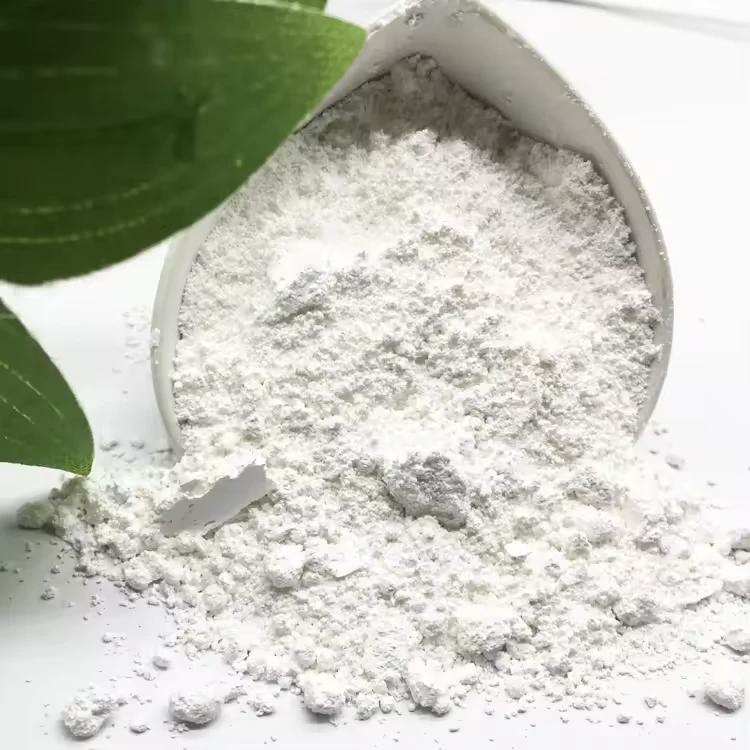
Currently, the local market relies significantly on imported titanium dioxide powder to support its growing plastics and paint industries. The logistical challenge of transporting these inorganic salts through the Andean terrain requires stable, high-purity products that maintain consistency regardless of pressure and temperature fluctuations.

Economic shifts toward infrastructure development in the Oriente region have spiked the demand for rutile grades. Local manufacturers are increasingly seeking specialized inorganic salts that offer higher brightness and hiding power to reduce raw material consumption while meeting international quality standards.
Evolution and Trajectory of Inorganic Salts in Bolivia

From basic pigment usage to advanced chemical engineering.

Market Development History

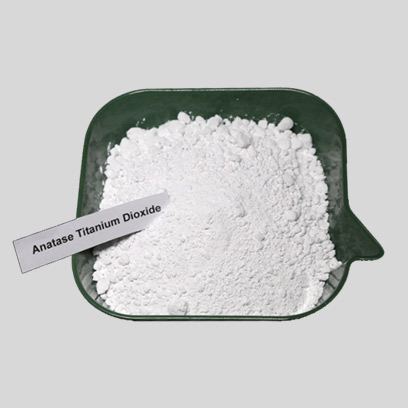
Between 1990 and 2005, the Bolivian market primarily utilized basic anatase titanium dioxide for simple indoor paints and low-cost plastics, where UV stability was not a primary concern.

From 2006 to 2015, there was a noticeable shift toward industrialization. The introduction of more sophisticated titanium dioxide grades allowed for the growth of the local automotive refinishing and outdoor construction sectors.

Since 2016, the focus has transitioned toward "Specialty Inorganic Salts." The market now prioritizes surface-treated pigments that offer superior dispersibility and compatibility with modern eco-friendly resins used in the Bolivian industrial belt.

Future Development Trends

Nano-Scale Particle Optimization

Integration of nano-sized particles to enhance transparency in high-end coatings without sacrificing the refractive index.

Eco-Friendly Sulfate Process Alternatives

A move toward chloride-process pigments to reduce the environmental footprint of chemical waste in fragile Andean ecosystems.

Smart UV-Blocking Integration

Developing hybrid pigments that combine titanium dioxide with infrared reflectors to reduce heat absorption in tropical Bolivian cities.

Industry Trends and Future Outlook

Strategic forecasting for the inorganic salt manufacturing sector in Bolivia.

UV Resistance Surge
Growing demand for high-grade rutile pigments to combat extreme Andean solar radiation.
Sustainable Sourcing
Transitioning toward green chemistry in the production of basic inorganic salts.
Industrial Automation
Implementing AI-driven dosing for precision pigment mixing in Bolivian factories.
Market Expansion
Diversification of inorganic salt applications into the mining and pharmaceutical sectors.

Industry Outlook

Based on Google search trend patterns, there is a rising interest in "sustainable inorganic chemicals" within South America. For Bolivia, this translates into a demand for titanium dioxide that is not only efficient but produced with lower carbon emissions, aligning with global ESG standards.

Over the next 3-5 years, we expect the market to move away from generic powders toward application-specific formulations. This specialization will allow Bolivian manufacturers to compete more effectively in regional exports by utilizing higher-performance pigments.

Localized Application Scenarios in Bolivia

Real-world implementations of titanium dioxide in the Bolivian industrial landscape.

01. High-Altitude Architectural Coatings

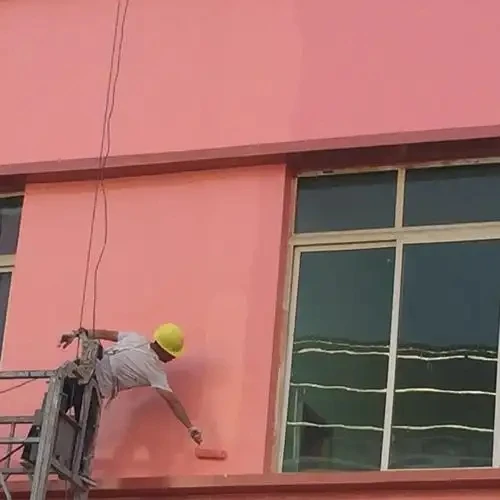
Utilizing rutile grades in exterior paints for buildings in La Paz to prevent chalking and color fading caused by extreme UV exposure at 3,600+ meters.

02. Industrial Plastic Piping for Mining

Integrating titanium dioxide powder into HDPE pipes used in lithium and silver mining operations to enhance structural durability and UV stability.

03. Agricultural Film Production

Applying specialized pigments to greenhouse films in the Santa Cruz region to optimize light diffusion and protect crops from intense sunlight.

04. Automotive Refinishing in Urban Hubs

Using high-opacity pigments in automotive coatings to provide a premium, durable finish that withstands the dusty environment of Bolivian highways.

05. Paper and Packaging Manufacturing

Employing anatase grades in local paper mills to improve the whiteness and opacity of sustainable packaging materials for the agricultural export sector.

Brand Story

Global Development Journey of Hebei Caiqing New Material Technology Co., Ltd.

Foundation of Excellence

Established with a vision to redefine the purity of inorganic salts, focusing on the core chemistry of titanium dioxide.

Technical Breakthroughs

Developed advanced surface treatment technologies to solve the common pain point of pigment agglomeration in industrial resins.

Global Market Expansion

Expanded operations to South America, tailoring chemical properties to meet the specific climatic challenges of the Andean region.

Commitment to Sustainability

Implemented a closed-loop production system to minimize waste and provide eco-friendly inorganic salts to global partners.

Future Innovation Hub

Investing in R&D to create the next generation of smart pigments for the evolving needs of global manufacturing.

Bolivian Market FAQs

Addressing the most common technical questions from our local partners.

Which grade of rutile titanium dioxide is best for high-altitude UV protection in Bolivia?

For high-altitude regions like La Paz, we recommend our premium rutile grade with inorganic surface treatment, as it provides the highest UV reflectance and prevents coating degradation.

How does titanium dioxide powder performance vary in humid tropical climates like Santa Cruz?

In humid climates, our pigments are treated to ensure hydrophobicity, preventing moisture absorption and maintaining excellent dispersibility in liquid mediums.

Can anatase titanium dioxide be used in mining-grade plastics?

Anatase is suitable for certain plastic applications; however, for outdoor mining equipment exposed to the sun, rutile is strongly recommended for its superior durability.

What are the key advantages of using titanium dioxide pigments in the Bolivian paint industry?

The primary advantages include maximum opacity (hiding power), enhanced brightness, and significant improvement in the weatherability of the final paint product.

How should inorganic salts be stored during transport across the Andes?

Products should be kept in moisture-proof packaging and stored in cool, dry environments to avoid clumping during the transit through varying altitude zones.

Are there eco-friendly versions of titanium dioxide available for the Bolivian market?

Yes, we provide products manufactured via optimized processes that reduce sulfur emissions, meeting the growing demand for sustainable chemistry in South America.

Get Expert Chemical Guidance

Our technical team is ready to support your manufacturing goals in Bolivia with the highest quality inorganic salts.

Contact Us Now

If you are interested in our products, you can choose to leave your information here, and we will be in touch with you shortly.