

Apr . 16, 2026 01:55 Back to list
Guide to Sourcing High Quality aeroxide tio2 factories Globally
Navigating the Global Market of Aeroxide TiO2 Factories
In the realm of advanced chemical materials, titanium dioxide (TiO2) in its aeroxide or fumed form plays a critical role across numerous industrial applications. Finding reliable aeroxide tio2 factories is essential for manufacturers who require high purity, consistent particle size, and superior dispersibility. From UV protection in cosmetics to structural reinforcement in polymers, the quality of the raw material dictates the performance of the end product. This guide explores the technical landscape of TiO2 production, helping procurement managers and engineers identify the best sourcing strategies for their specific needs.
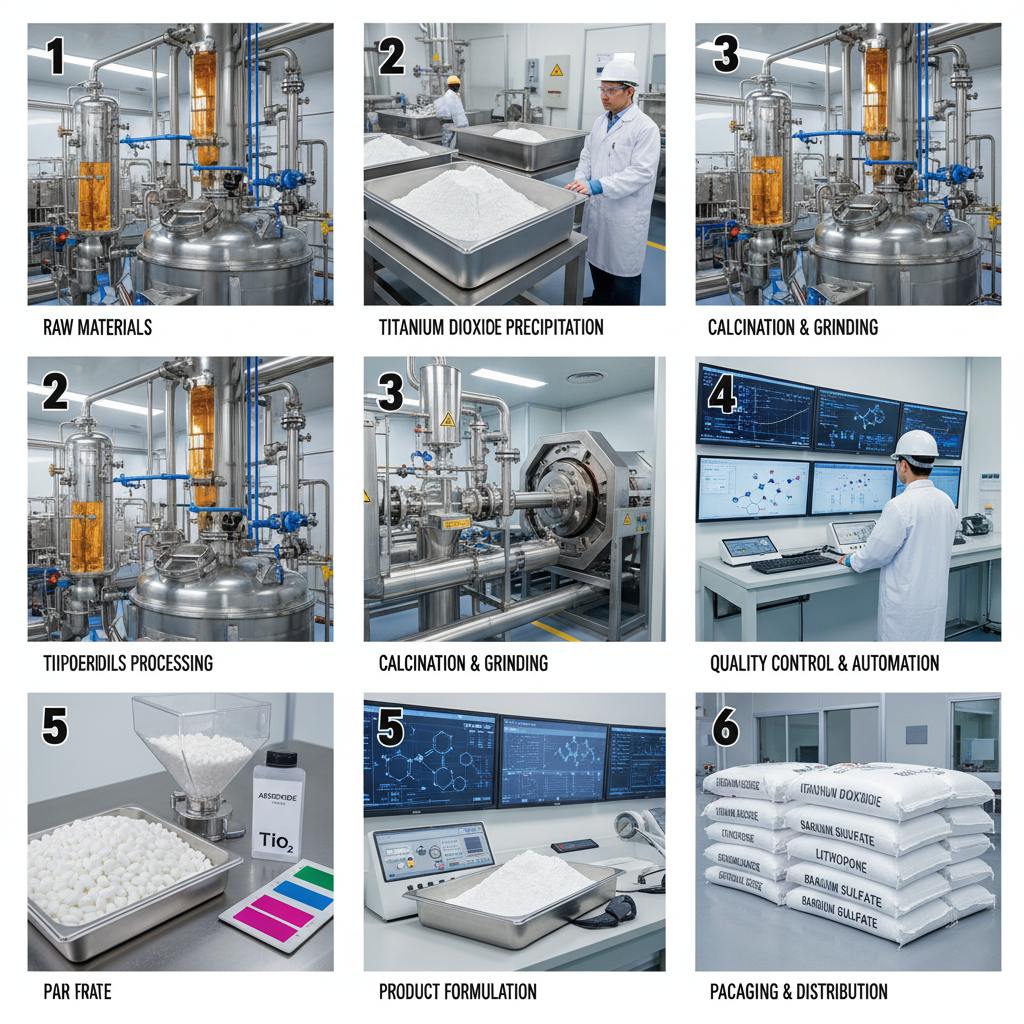
The Production Process in Aeroxide TiO2 Factories
The manufacturing of aeroxide TiO2 typically involves a flame hydrolysis process. In professional aeroxide tio2 factories, titanium tetrachloride (TiCl4) is reacted with oxygen and hydrogen in a high-temperature flame. This result is the formation of ultra-fine, non-aggregated particles. Precise temperature control and gas flow rates are critical to ensuring the correct surface area and crystallinity (Anatase vs. Rutile). Modern facilities utilize automated monitoring systems to maintain batch-to-batch consistency, which is a primary requirement for high-end pharmaceutical and cosmetic grade materials.
Industry Insight: The flame hydrolysis method is preferred over traditional precipitation because it produces a more uniform particle distribution and a higher surface area, enhancing the material's opacity and UV-blocking efficiency.
Comparing Grades from Different Aeroxide TiO2 Factories
Not all titanium dioxide is created equal. Depending on the focus of the aeroxide tio2 factories, they may specialize in different crystalline structures. Rutile is generally used for its superior refractive index and stability, while Anatase is often favored for photocatalytic applications. Understanding the trade-offs between these grades allows engineers to optimize their formulations for maximum efficiency and cost-effectiveness.
Quality Control Standards in Leading TiO2 Factories
The reputation of aeroxide tio2 factories depends heavily on their quality assurance (QA) protocols. Advanced factories employ BET surface area analysis and Laser Diffraction for particle size distribution. Ensuring a low level of impurities, such as iron or silica, is vital for applications where color purity is non-negotiable. Furthermore, compliance with ISO 9001 and environmental regulations (like REACH) ensures that the material is safe for global export and industrial integration.
Industrial Applications of Aeroxide TiO2
The output from aeroxide tio2 factories finds its way into diverse sectors. In the automotive industry, it is used in high-performance coatings to prevent UV degradation of paint. In cosmetics, it provides a physical barrier against sunlight in sunscreens without absorbing into the skin. Additionally, it serves as a reinforcing agent in silicone rubbers and plastics, improving the mechanical strength and thermal stability of the polymer matrix.
Common Application Areas:
• High-opacity paints and powder coatings
• UV-filter additives for skincare products
• Reinforcement for specialty elastomers
• Photocatalytic self-cleaning surfaces
Technical Specifications of Premium TiO2
When auditing aeroxide tio2 factories, technical data sheets (TDS) are the primary reference. The key specifications usually include the purity level, the specific surface area (m²/g), and the average particle size. For instance, a higher surface area typically translates to better opacity but may require more dispersant during mixing. The following table summarizes the typical specifications for high-grade aeroxide TiO2.
How to Choose the Right TiO2 Supplier
Selecting from various aeroxide tio2 factories requires a balance of technical capability and logistical reliability. First, verify the supplier's ability to provide consistent particle size distributions across large volumes. Second, check for customized surface treatments (such as alumina or silica coatings) which can enhance the compatibility of TiO2 with specific resins or oils. Finally, evaluate the lead times and shipping certifications to ensure your supply chain remains uninterrupted.
Conclusion: Optimizing Your Material Sourcing
Partnering with the right aeroxide tio2 factories is a strategic decision that directly impacts the quality of your final industrial products. By understanding the differences between Rutile and Anatase grades, prioritizing rigorous quality control, and analyzing technical specifications, companies can achieve superior UV protection and structural integrity. Investing in high-purity titanium dioxide not only enhances product performance but also ensures long-term durability and customer satisfaction in a competitive global market.
Frequently Asked Questions (FAQs)
What is the main difference between aeroxide TiO2 and standard TiO2?
Aeroxide TiO2 is produced via a specialized flame hydrolysis process, resulting in ultra-fine, fumed particles with a very high surface area. In contrast, standard TiO2 is often produced via the sulfate or chloride process, resulting in larger particles. The aeroxide version is preferred for applications requiring transparency, high reactivity, or specific rheological properties in liquids and gels, making it indispensable for high-end specialty chemicals.
How do I ensure the purity of TiO2 from a new factory?
The best way to ensure purity is to request a detailed Certificate of Analysis (COA) for every batch. You should look for XRF or ICP-MS testing results that specify the levels of trace metals like iron (Fe) and chromium (Cr). Additionally, requesting a sample for independent third-party laboratory testing is a standard industry practice to verify that the material meets the specifications promised by the supplier.
Can aeroxide TiO2 be used in food or pharmaceutical products?
Yes, but only if it is produced in factories that adhere to Food Grade or Pharma Grade standards (such as GMP or FDA compliance). These specific aeroxide tio2 factories implement stricter filtration and contamination controls to ensure the absence of heavy metals and organic impurities. Always verify the specific certification of the grade before using it in consumable products.
Why is the surface area of TiO2 important for my application?
The specific surface area determines how the particles interact with the surrounding medium. A higher surface area generally increases the opacity and the UV-shielding capacity of the material. However, it also affects the viscosity of the mixture; materials with very high surface areas can thicken a formulation significantly. Balancing surface area with the desired physical properties of your product is key to achieving the perfect formulation.
This is the last article
-
Guide to Sourcing High Quality aeroxide tio2 factories Globally
NewsApr.16,2026
-
Titanium Dioxide Pigments for Industrial Coatings and Paints
NewsApr.13,2026
-
The Transformative Role Of Anatase Titanium Dioxide In The Modern Decorative Paint Industry
NewsApr.13,2026
-
The Indispensable Brilliance Of Titanium Dioxide In The Modern Paint And Coatings Industry
NewsApr.13,2026
-
The Essential Role Of Industrial Grade Titanium Dioxide In High-Performance Rubber Products
NewsApr.13,2026
-
Rutile Titanium Dioxide for Rubber and Tire Manufacturing
NewsApr.13,2026