

Mar . 08, 2026 01:55 Back to list
Understanding the Chemical Formula of Lithopone and Finding a Reliable Factory
Understanding the Chemical Formula of Lithopone and Finding a Reliable Factory
Lithopone, a historic white pigment, is a mixture of zinc sulfide (ZnS) and barium sulfate (BaSO₄). Knowing the chemical formula of lithopone is crucial for understanding its properties and applications. This article delves into the formula, production, quality control, and how to identify a reliable lithopone factory. Lithopone’s cost-effectiveness once made it a popular alternative to titanium dioxide, although its use has decreased. Choosing a quality supplier is paramount for ensuring consistent product performance.
The Chemical Formula and Composition of Lithopone
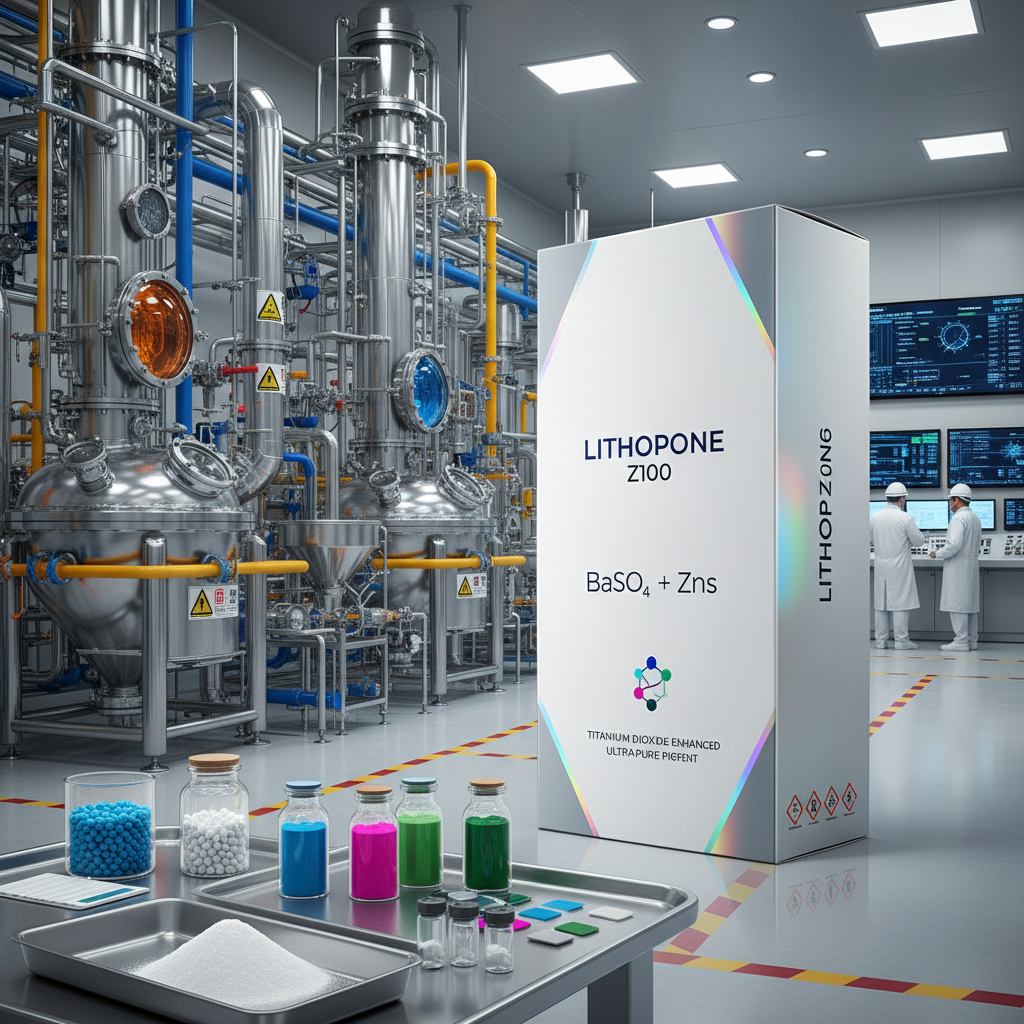
The chemical formula of lithopone isn’t a single compound, but rather a mixture. The ideal composition is approximately 30% zinc sulfide (ZnS) and 70% barium sulfate (BaSO₄). While this ratio can vary slightly depending on the manufacturer and intended application, maintaining this balance is vital for achieving the desired opacity, brightness, and dispersibility. The ZnS component provides the opacity, while BaSO₄ contributes to the pigment’s inertness and reduces its oil absorption. This combination allows lithopone to effectively scatter light, creating its characteristic white appearance. It's essential to understand these components when sourcing from a lithopone factory.
Key Components: ZnS (Zinc Sulfide) provides opacity; BaSO₄ (Barium Sulfate) provides inertness and reduces oil absorption.
Manufacturing Process and Quality Control at a Lithopone Factory
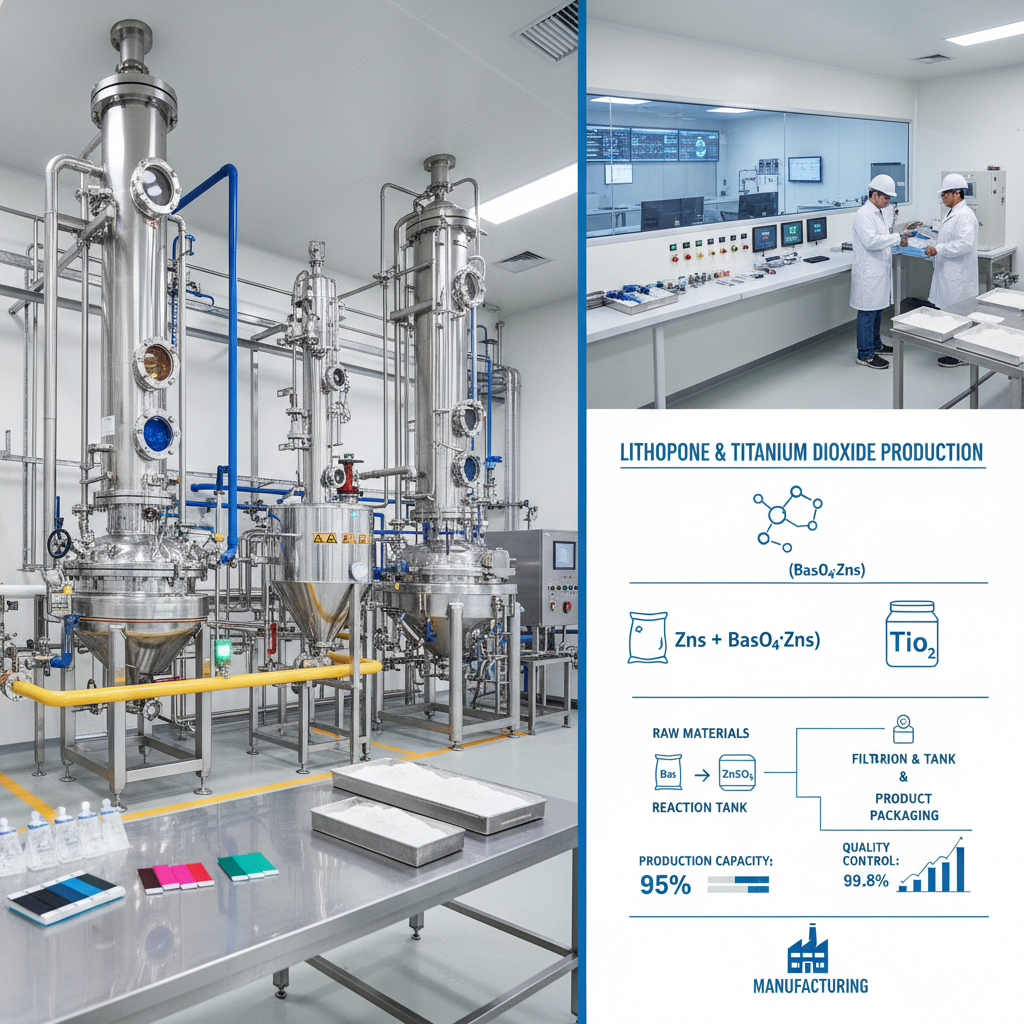
The production of lithopone typically involves reacting zinc sulfide and barium sulfate in a carefully controlled environment. The process often begins with the precipitation of ZnS from a solution of zinc salts and a sulfide source. This precipitate is then thoroughly mixed with finely ground BaSO₄. Critical quality control measures are implemented throughout the entire process. A reputable lithopone factory will meticulously monitor particle size distribution, whiteness, opacity, and chemical composition. These factors significantly influence the final product’s performance in various applications. Advanced analytical techniques like X-ray diffraction and spectrophotometry are employed to ensure consistency and meet stringent quality standards.
Quality Control Parameters:
• Particle Size Distribution
• Whiteness (measured using reflectance values)
• Opacity (hiding power)
• Chemical Composition (ZnS & BaSO₄ ratio)
Lithopone Applications: Where is it Used?
While largely superseded by titanium dioxide in many applications, lithopone still finds use in specific industries. It's commonly employed in the production of certain paints, plastics, and paper coatings where a lower cost pigment is acceptable. It's also used in rubber, printing inks, and some types of ceramics. Its relatively low refractive index contributes to its effectiveness as an extender pigment, improving the overall performance and reducing the cost of finished products. A reliable lithopone factory will cater to these varied application needs by offering different grades and particle sizes.
Identifying a Reputable Lithopone Factory: Key Considerations
Choosing the right lithopone factory requires careful evaluation. Look for manufacturers with established quality control systems (ISO 9001 certification is a good indicator). Inquire about their production capacity, technical support, and ability to customize products to meet your specific requirements. Furthermore, ensure they adhere to environmental regulations and can provide relevant safety data sheets (SDS). Consider factors like minimum order quantities, lead times, and shipping costs. Request samples for testing and evaluation before committing to a large order.
Future Trends and Alternatives to Lithopone
The demand for lithopone is generally declining due to the superior performance and wider availability of titanium dioxide. However, ongoing research is focused on improving lithopone’s properties through modifications to the manufacturing process and surface treatments. Exploring alternative pigments, such as calcium carbonate or kaolin clay, can also offer cost-effective solutions for certain applications. Staying informed about these trends and innovations is crucial for making informed decisions about pigment selection. CQ Titanium Dioxide remains committed to providing high-quality pigment solutions and staying abreast of industry developments.
Conclusion: Sourcing Quality Lithopone
Understanding the chemical formula of lithopone and the intricacies of its production is key to securing a reliable supply. By carefully vetting potential suppliers and prioritizing quality control, you can ensure consistent performance and optimal results in your applications. While titanium dioxide often represents a superior alternative, lithopone remains a viable option in specific scenarios.
Frequently Asked Questions (FAQs)
What are the primary differences between lithopone and titanium dioxide?
Titanium dioxide (TiO₂) generally exhibits superior brightness, opacity, and UV resistance compared to lithopone. TiO₂ also offers better durability and weatherability, making it a preferred choice for exterior applications. Lithopone, however, is typically less expensive and can be used effectively in applications where these premium properties are not critical. The chemical composition also differs: TiO₂ is a single compound, while lithopone is a mixture. Choosing between the two depends on your specific performance requirements and budget constraints.
What impact does particle size have on lithopone’s performance?
Particle size is a crucial factor influencing lithopone’s opacity, dispersibility, and tinting strength. Smaller particle sizes generally lead to higher opacity and better dispersibility, but can also increase the pigment's cost. A well-controlled particle size distribution is essential for achieving consistent performance. Reputable lithopone factories carefully control this parameter to meet specific application requirements.
Is lithopone considered environmentally friendly?
Lithopone's environmental impact is a complex issue. Barium sulfate, a key component, is relatively inert. However, the production of zinc sulfide can generate waste streams that require careful management. Responsible lithopone factories implement environmentally sound manufacturing processes to minimize waste and comply with environmental regulations.
What safety precautions should be taken when handling lithopone?
While generally considered non-toxic, lithopone dust can cause irritation to the eyes, skin, and respiratory system. It's essential to wear appropriate personal protective equipment (PPE), such as safety glasses, gloves, and a dust mask, when handling the pigment. Ensure adequate ventilation in the work area and avoid inhaling the dust. Always consult the safety data sheet (SDS) for detailed safety information.
-
Why Rutile Titanium Dioxide is the Preferred Choice for Automotive Finishes
NewsApr.17,2026
-
Utilizing Anatase Titanium Dioxide for Inks and Specialized Printing Media
NewsApr.17,2026
-
The Science of Reflection: How Titanium Dioxide White Pigment Defines Modern Paints
NewsApr.17,2026
-
The Role of Coated Titanium Dioxide in High-Performance Exterior Coatings
NewsApr.17,2026
-
Enhancing Structural Longevity: Titanium Dioxide for Concrete and Masonry
NewsApr.17,2026
-
Comparing the Optical Efficiency of Rutile and Anatase Titanium Dioxide
NewsApr.17,2026