

Mar . 07, 2026 01:45 Back to list
Exploring the Chemical Formula of Lithopone and Key Factories Worldwide
Understanding the Chemical Formula of Lithopone and Key Factories
Lithopone, a historically significant pigment, is a mixture of zinc sulfide (ZnS) and barium sulfate (BaSO₄). Its production relies on specific chemical processes, and sourcing high-quality lithopone demands understanding both its composition and the capabilities of various lithopone factories. This article will delve into the chemical formula, manufacturing processes, quality control measures, and major producers of lithopone, providing a comprehensive overview for businesses seeking a reliable supply. We’ll explore the factors influencing its properties and how to identify reputable manufacturers.
The Chemical Formula and Composition of Lithopone
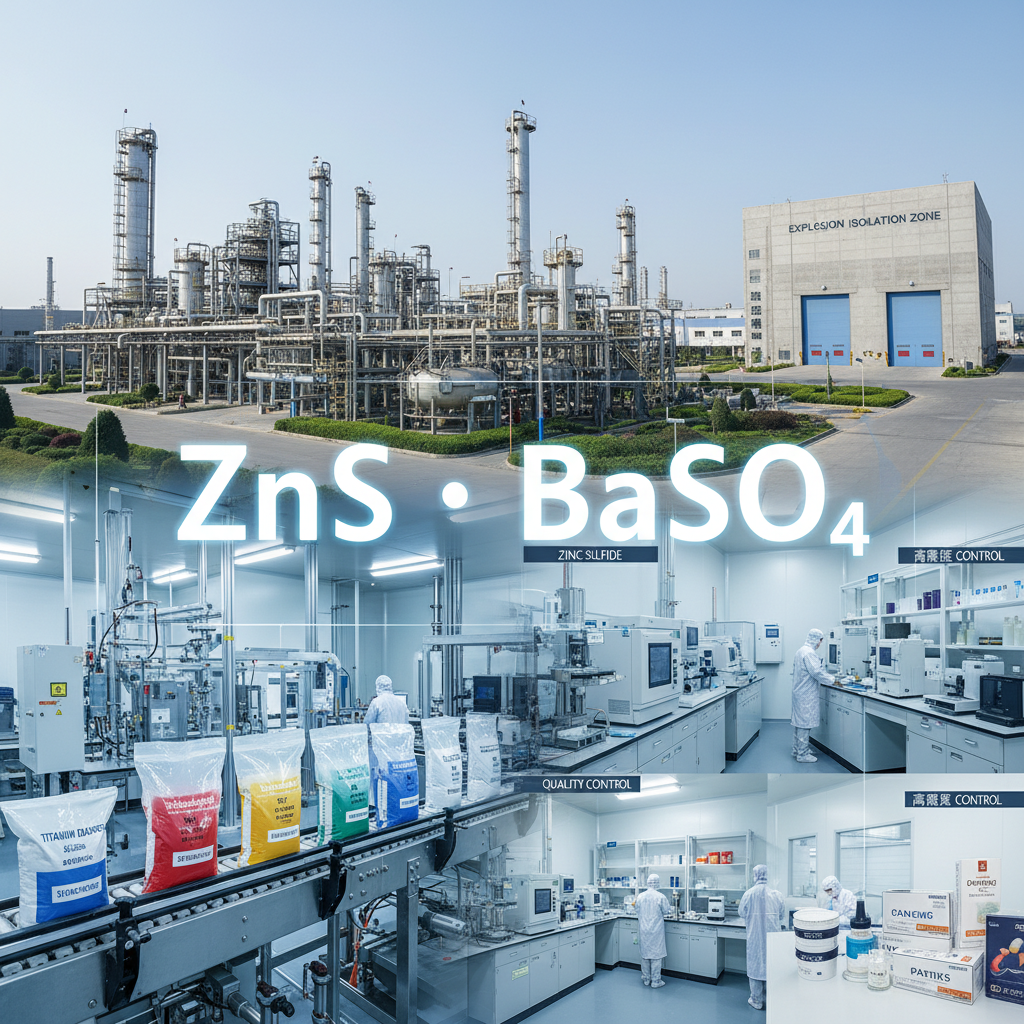
The chemical formula of lithopone is a combination: ZnS + BaSO₄. Typically, a standard lithopone composition consists of approximately 30% zinc sulfide and 70% barium sulfate, although these ratios can be adjusted to alter the pigment's properties. The zinc sulfide component is responsible for the opacity and whiteness, while barium sulfate provides bulk and modifies the refractive index. The manufacturing process involves precise control of the reaction conditions to ensure the desired particle size and crystal structure, which directly impacts the pigment’s performance characteristics. A key factor in ensuring quality is the purity of the starting materials – both zinc and barium compounds must meet stringent specifications.
Key Highlights: Lithopone’s effectiveness stems from the synergistic combination of ZnS and BaSO₄. Precise control over the manufacturing process dictates particle size and crystal structure, influencing opacity and brightness.
Manufacturing Processes in Lithopone Factories
The production of lithopone generally involves a precipitation reaction. Zinc sulfide and barium sulfate are co-precipitated from solutions of their respective salts, such as zinc sulfate and barium chloride. Controlling the pH, temperature, and mixing rates is critical to obtaining a product with the desired particle size distribution. After precipitation, the mixture undergoes filtration, washing, drying, and grinding. Modern lithopone factories often incorporate advanced techniques like spray drying to improve particle morphology and reduce agglomeration. The process is highly sensitive, and even slight variations can lead to significant differences in the final product’s quality.
Key Manufacturing Steps:
• Precipitation of ZnS and BaSO₄
• Filtration and Washing
• Drying and Grinding
• Advanced techniques like spray drying
Chemical Formula of Lithopone: Comparing it with Titanium Dioxide
While titanium dioxide (TiO₂) has largely replaced lithopone in many applications due to its superior whiteness and durability, understanding their differences is crucial. TiO₂ possesses a higher refractive index, resulting in greater opacity and brightness. Here's a comparative overview of their properties:
Key Factors When Choosing Lithopone Factories
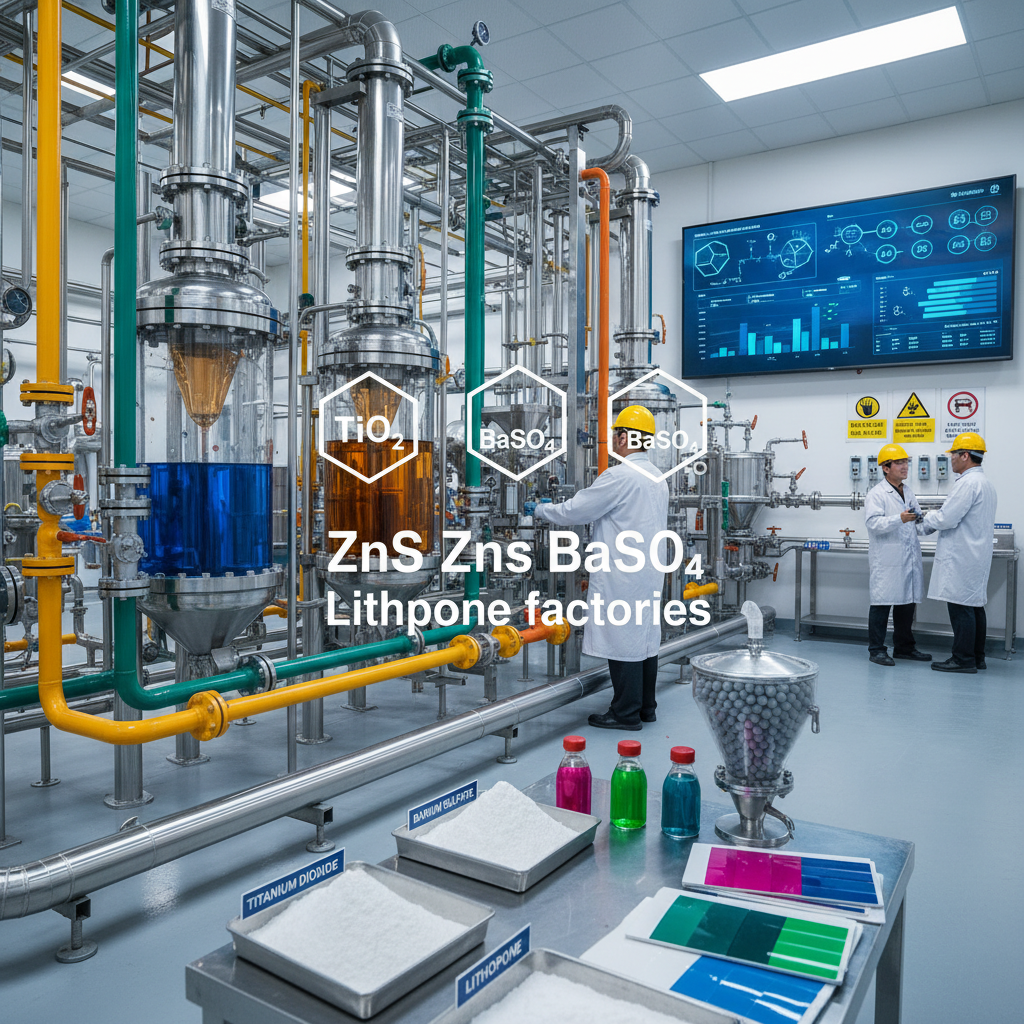
Selecting the right lithopone factory is paramount to ensuring product quality and consistent supply. Consider these key factors: manufacturing capabilities, quality control procedures (including particle size analysis, chemical composition testing, and whiteness assessments), production capacity, and adherence to international standards. Reputable factories will provide detailed specifications, Certificates of Analysis (COAs), and be willing to accommodate custom requests. Look for factories with ISO certifications and a proven track record of reliability.
Applications and Current Market Trends
Despite the rise of TiO₂, lithopone still finds applications in areas where cost-effectiveness is a priority, such as certain types of paints, plastics, and paper coatings. It’s also used in some rubber applications. Current market trends show a focus on improving the quality and consistency of lithopone production, as well as exploring modified formulations to enhance its performance characteristics. The demand for environmentally friendly pigments is also driving innovation in manufacturing processes.
Conclusion: Sourcing Quality Lithopone
Choosing a reliable supplier of lithopone is essential for businesses seeking a cost-effective pigment solution. Understanding the chemical formula of lithopone, manufacturing processes, and quality control measures will empower you to make informed decisions. Partner with reputable lithopone factories like CQ Titanium Dioxide to ensure consistent quality and reliable supply.
Frequently Asked Questions (FAQs)
What are the primary applications of lithopone today?
While titanium dioxide has become the dominant white pigment, lithopone still finds niche applications due to its lower cost. These include use in some grades of paints (particularly interior paints where extreme durability isn’t required), certain plastic formulations, paper coatings, and specialized rubber products. It’s also occasionally used as a filler in some industrial applications. Its ability to provide opacity at a lower cost makes it suitable for applications where high performance isn’t critical.
How does particle size affect lithopone’s performance?
Particle size is a critical factor influencing lithopone’s opacity, brightness, and dispersibility. Smaller particle sizes generally lead to higher opacity and better dispersion, resulting in a brighter, more uniform pigment. However, excessively small particles can increase the cost of production and may pose handling challenges. Lithopone factories carefully control particle size during manufacturing to optimize performance for specific applications.
What quality control measures should I look for in a lithopone supplier?
A reputable lithopone supplier should have robust quality control procedures in place. These should include regular testing of chemical composition (ZnS and BaSO₄ content), particle size distribution analysis, whiteness measurements, and oil absorption tests. They should also provide Certificates of Analysis (COAs) with each shipment, detailing the results of these tests. Look for suppliers with ISO certifications and a documented quality management system.
Is lithopone environmentally friendly?
Lithopone is generally considered less environmentally damaging than some other pigments, but responsible sourcing is still crucial. Barium sulfate is a naturally occurring mineral, and zinc sulfide can be produced from recycled zinc materials. However, the manufacturing process can generate waste, so it’s important to choose suppliers who prioritize waste management and pollution control. Look for factories that adhere to environmental regulations and strive for sustainable production practices.
-
Why Rutile Titanium Dioxide is the Preferred Choice for Automotive Finishes
NewsApr.17,2026
-
Utilizing Anatase Titanium Dioxide for Inks and Specialized Printing Media
NewsApr.17,2026
-
The Science of Reflection: How Titanium Dioxide White Pigment Defines Modern Paints
NewsApr.17,2026
-
The Role of Coated Titanium Dioxide in High-Performance Exterior Coatings
NewsApr.17,2026
-
Enhancing Structural Longevity: Titanium Dioxide for Concrete and Masonry
NewsApr.17,2026
-
Comparing the Optical Efficiency of Rutile and Anatase Titanium Dioxide
NewsApr.17,2026